This is edition 2025/131 of the Ten@10 newsletter.
Hi all,
This is the Ten@10, where I collate and summarise ten news items you generally won't see in the mainstream media.
Enjoy!
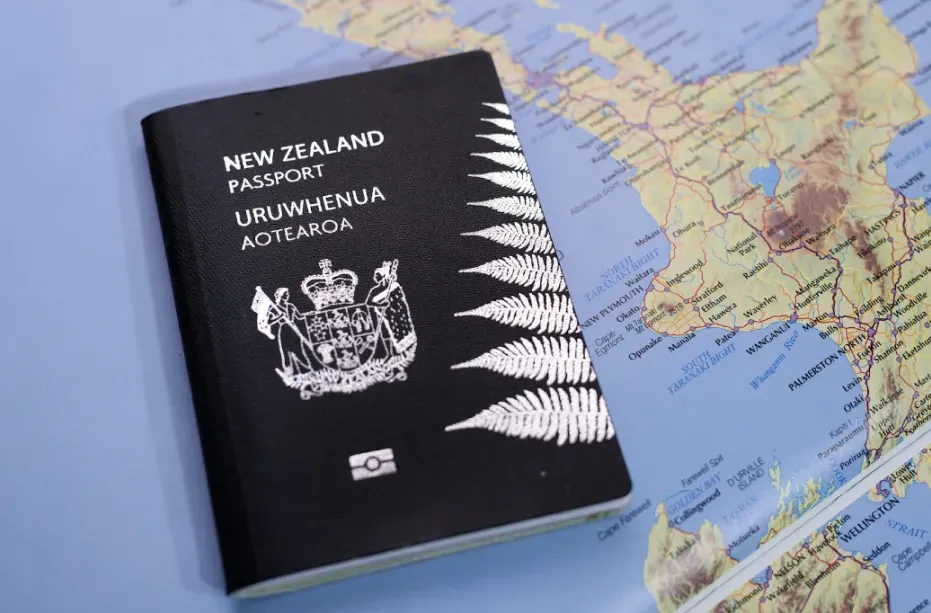
1. It's just a passport cover... except it's not
Ani O'Brien
- 🇳🇿 The passport issue: New Zealand is changing the order of words on its passport again—Aotearoa will sit above New Zealand, sparking headlines and controversy.
- 💭 Personal indifference: The order of words doesn’t matter to the author, but the heated reaction from both sides indicates a deeper cultural tension.
- 🔥 Cultural revolution: The change in language reflects a broader shift in New Zealand’s cultural landscape, highlighting growing divisions.
- 🤝 Initial acceptance: Aotearoa’s prominence was initially seen as a respectful acknowledgment of Māori heritage, but this has evolved into something more divisive.
- 🏛️ Cultural elites: Some see the elevation of Māori culture as a power move, with elites using it to assert moral superiority over the masses.
- ⚖️ Ideological control: Māori culture has become a tool for social stratification, with fluency in te reo and wokeness being keys to success in academia and public service.
- 🏛️ Elite-driven narrative: The elites now dictate cultural values, with ordinary New Zealanders being dismissed for questioning this shift.
- 🌍 Cultural imposition: The shift from inclusion to dominance in Māori culture is seen as a form of social subjugation, not just a gesture of respect.
- 🎭 Bureaucratic performativity: In the public service, excessive ceremonies like karakia and waiata consume time without delivering effective services.
- 🚨 Public service critique: The author criticizes the performative Māorification in government and its lack of real impact on serving the public, Māori or otherwise.
- 🏷️ Name replacement: The push for Aotearoa to replace New Zealand signals a wider cultural framework that many feel was never consented to.
- 🚫 Cultural pushback: People who resist this shift are labeled as bigots or colonizers, with their concerns dismissed.
- 🔄 The real issue: The passport change reflects a wider ideological battle over national identity, where language changes are seen as divisive political signals.
- 💥 Emotional reaction: The strong emotions surrounding the passport debate stem from the larger issue of cultural imposition rather than genuine cultural recognition.
- 🔎 Government response: The author argues the government needs to listen to the growing sense of alienation felt by many New Zealanders over these cultural shifts.