This is edition 2025/156 of the Ten@10 newsletter.
Hi all,
This is the Ten@10, where I collate and summarise ten news items you generally won't see in the mainstream media.
Enjoy!

1. Is Radio NZ National still relevant?
Grant Duncan
- 📉 RNZ audience decline – Radio New Zealand National’s weekly listenership has dropped from 616,000 in 2019 to below 470,000 in 2024, sparking concern and internal reviews.
- 😏 Hosking mocks RNZ – Newstalk ZB’s Mike Hosking ridiculed RNZ’s falling numbers, suggesting listeners were “fleeing from boredom.”
- 📍 Strategic shift – RNZ aims to focus more on Auckland (population growth hub) rather than Wellington (political hub) and target 50–69-year-olds.
- 📰 Rise of news deserts – Job losses, media closures, and financial pressures are leaving parts of NZ without credible local news, threatening democracy and local engagement.
- 📲 Changing consumption habits – Audiences increasingly prefer podcasts and digital platforms; RNZ launched The Context podcast, including an episode featuring ChatGPT.
- 🇳🇿 World Press Freedom ranking – New Zealand ranks 16th out of 180 globally, but the rise of “media deserts” and fewer professional journalists pose ongoing risks.
- 🏛️ Fair Digital News Bargaining Bill – Introduced in 2023 to force Google, Meta, and X to pay for NZ news content but stalled in May 2024 after Google threatened to pull NZ news from its services.
- 💸 Big Tech dominance – Platforms siphon advertising revenue while republishing headlines without adequately funding original journalism, worsening industry struggles.
- 🗳️ Impact on democracy – Declining local journalism may be causing reduced awareness and participation in local government elections.
- ✍️ Substack controversies – Prominent NZ and international writers left Substack over its tolerance of neo-Nazi content and switched to platforms offering higher revenue shares.
- 🪞 Ideological echo chambers – Substack and similar platforms risk becoming polarized spaces with rage-bait, unmoderated extremes, and memes, reducing thoughtful debate.
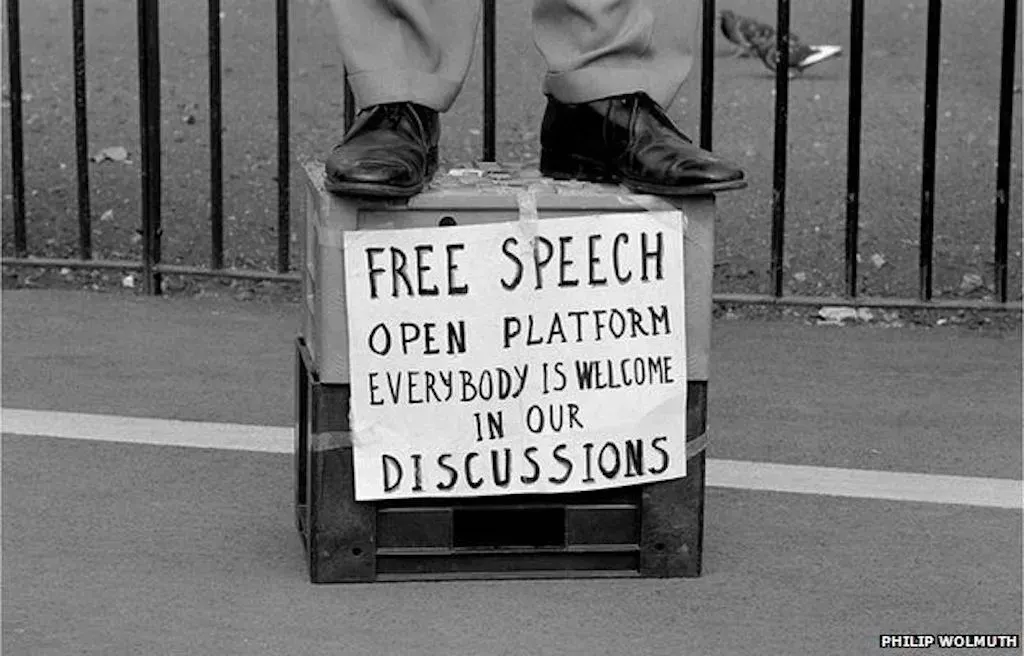
- ⚖️ Free speech vs. moderation – Platforms like Meta, X, and Substack face criticism for either allowing harmful content or over-moderating, fueling the ongoing hate speech vs free speech debate.
- 🧠 Path dependency dilemma – Many users stay on flawed platforms due to investment, reach, and habit, even if they disagree with moderation policies or content standards.
- 🌐 Facebook precedent – The Myanmar genocide exposed Facebook’s role in amplifying hate speech, raising comparisons to Substack’s handling of extreme content.
- 🤖 AI moderation issues – Meta’s automated enforcement has wrongly banned innocent users, suggesting AI-driven content policing is unreliable.