This is edition 2025/157 of the Ten@10 newsletter.
Hi all,
This is the Ten@10, where I collate and summarise ten news items you generally won't see in the mainstream media.
Enjoy!

1. The Coalition Government is aware of the electorate’s needs – why won’t it meet them?
Chris Trotter
- 🗳️ Electoral Priorities – Ordinary voters care less about grand political visions and more about whether politicians make life easier or harder.
- 🏠 Maslow’s Hierarchy – Politicians should focus on satisfying basic needs first: jobs, housing, affordable essentials, health, and education, before pitching big ideas.
- ⚠️ Government Risk – If large numbers of citizens remain stuck on Maslow’s lowest levels (food, shelter, safety), governments face instability and voter backlash.
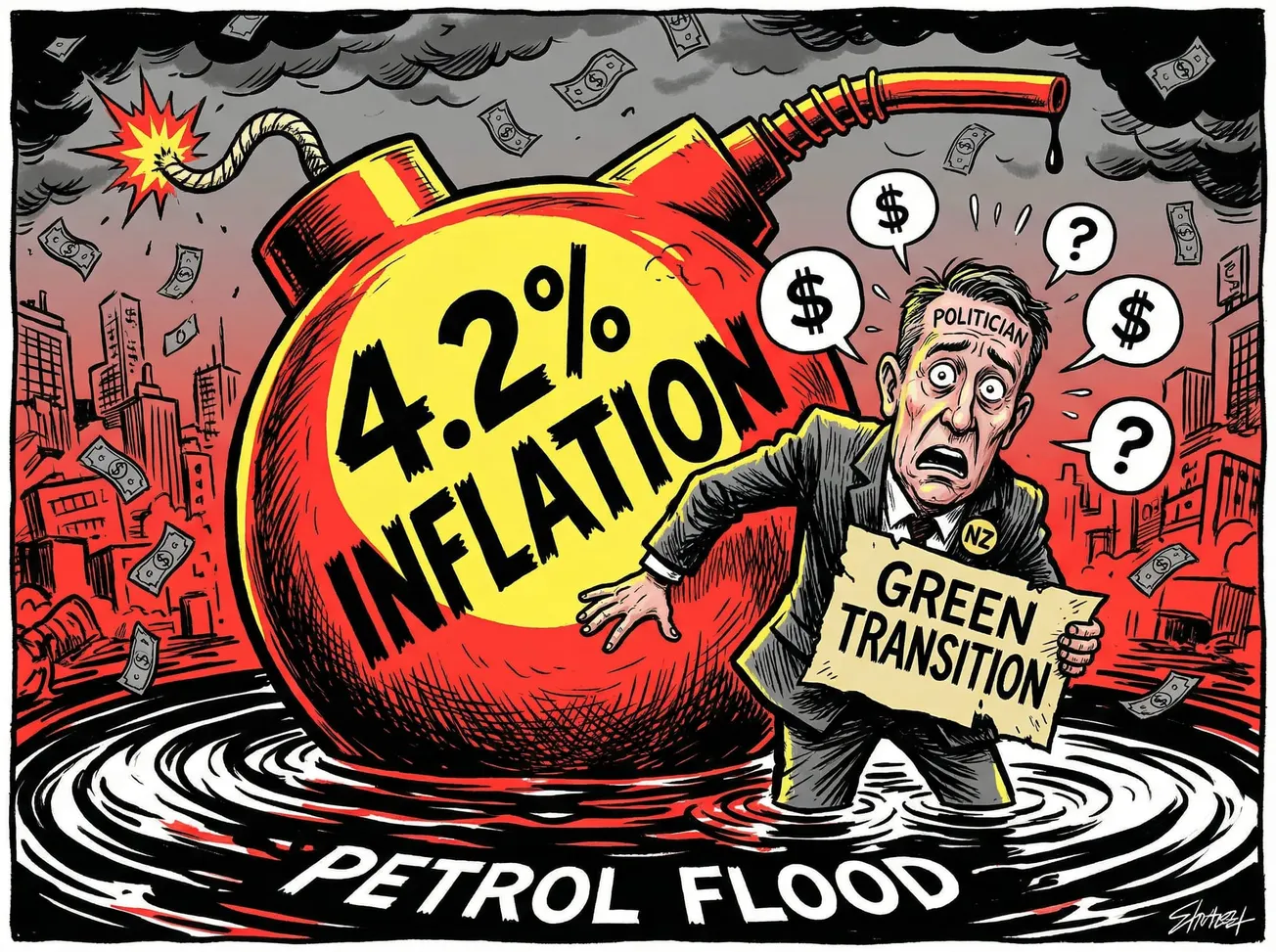
- 💸 Neoliberal Constraints – Since the mid-1980s, Labour and National have avoided direct government intervention to control prices, favouring market-driven policies instead.
- 🥛 Rising Food Costs – Prices of essentials like milk, bread, and meat have soared, yet the government resists subsidies or direct intervention to make them affordable.
- 🥦 Subsidy Debate – Historically, food and basic goods were subsidised post-WWII to ensure affordability, but today’s policymakers prioritise producer profits over consumer needs.
- 🏘️ Hidden Subsidies – While rejecting price controls, the government indirectly subsidises wages and rents through schemes like Working for Families and Accommodation Supplements.
- 📉 Price Controls History – Muldoon’s 1982 wage and price freeze successfully reduced inflation from 16.1% to 6.1% by 1984, but neoliberal reforms buried its achievements.
- 🛒 Failed Alternatives – Labour’s 1974 Maximum Retail Price Scheme aimed to cap prices but collapsed due to political opposition and logistical challenges.
- 🛡️ Public Insurance Success – State-run insurers like Government Life and State Fire once kept costs low and widely accessible, proving effective in protecting consumers.
- 🔒 Privatisation’s Impact – Neoliberal governments sold off these public insurers, leading to steadily rising premiums and fewer affordable options for New Zealanders.
- 🤔 Political Paradox – Despite evidence that lifting voters to higher wellbeing levels would bring electoral rewards, successive governments resist policies that would achieve it.
- 😐 Happiness and Control – Trotter speculates politicians may avoid enabling widespread prosperity because if everyone reaches “self-actualisation,” political leverage diminishes.