
This is edition 2025/178 of the Ten@10 newsletter.
Hi all,
This is the Ten@10, where I collate and summarise ten news items you generally won't see in the mainstream media.
Enjoy!
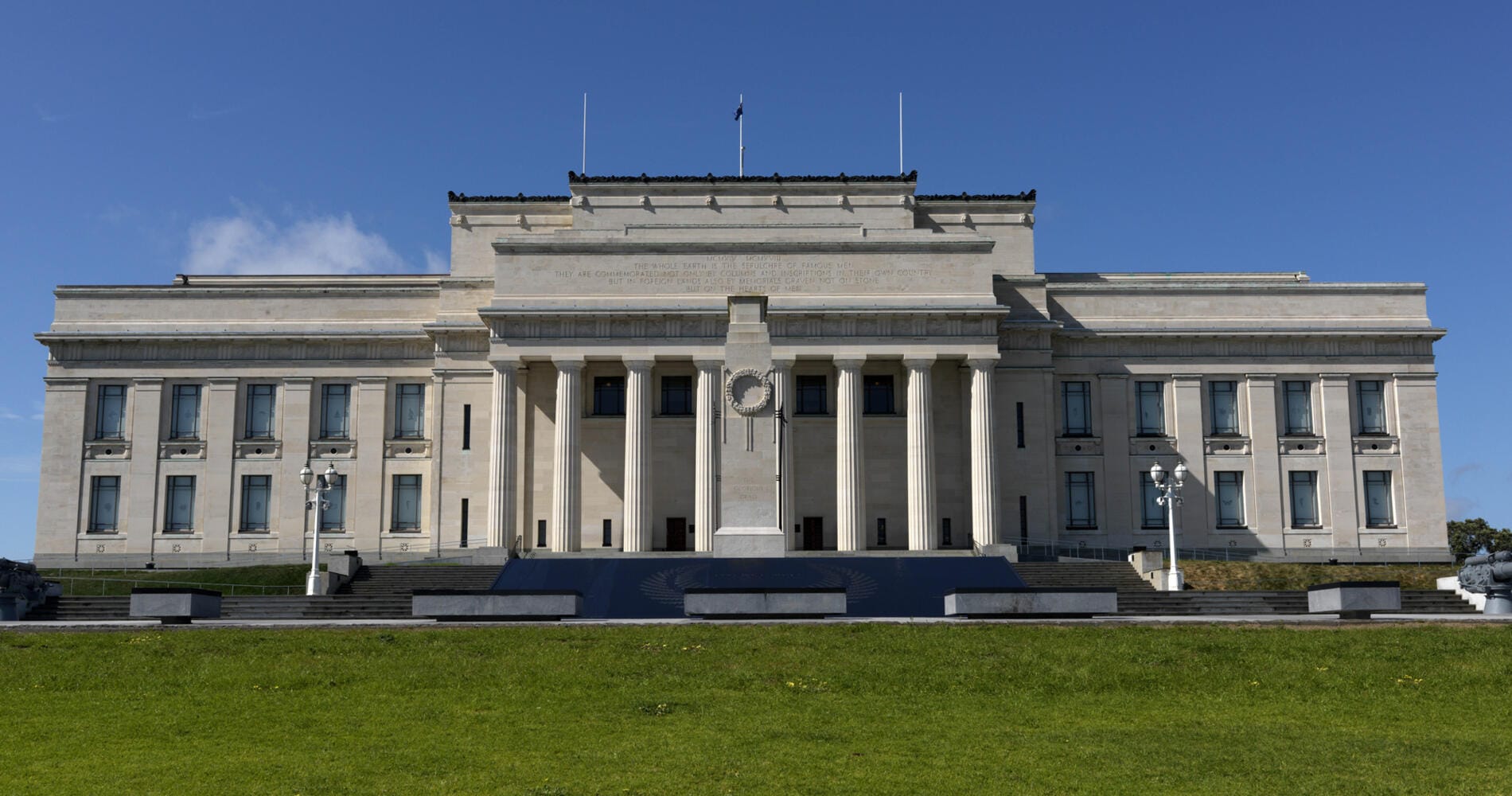
1. New Zealand museums need neutral organisational viewpoints and stronger science
Brian Gill
- 🏛️ Public trust in museums depends on neutrality, respect, and avoiding political bias.
- 🔬 New Zealand’s general museums must balance science (natural history) and culture (ethnology, history, arts).
- 📊 Science museums have an ethical duty to safeguard integrity and stay loyal to facts and evidence.
- ⚖️ Increasing politicisation: museum strategies highlight identity politics, privileging Māori and Pacific dimensions while sidelining science.
- 📜 Treaty of Waitangi interpretations in museum planning lean on contested political views, often favoring the “partnership” narrative.
- 📉 Word counts in museum reports reveal science terms are almost absent, while cultural and Māori terms dominate.
- 🌍 Te Papa’s 2019 natural history gallery, Te Taiao / Nature, blends Māori spiritual beliefs with science, redefining science exhibits.
- 🧝♂️ Mythological figures like Māui are used to “explain” nature alongside scientific explanations.
- ❌ Critics argue this mix confuses visitors, undermines science, and equates universal scientific method with local belief systems.
- 🌀 The shift reflects postmodernist ideology—that all knowledge systems are culturally relative and equally valid.
- ⚠️ Risk: undermining science’s universality could damage museum credibility and public trust.
- 🧭 Recommendations:
- Regain political neutrality.
- Restore science as a core, equal museum component.
- Keep science galleries dedicated to evidence-based knowledge, not cultural beliefs.
- 🚨 Warning: if cultural bias outweighs science, public funding, visitation, and reputation may decline.