
This is edition 2026/026 of the Ten@10 newsletter.
Hi all,
This is the Ten@10, where I collate and summarise ten news items you generally won't see in the mainstream media.
Enjoy!
Wellington’s politicians cannot escape the sewage blame
Bryce Edwards
- 💩 Moa Point disaster accountability
Nick Leggett’s resignation as Wellington Water chair comes after 70 million litres of raw sewage a day poured into the Cook Strait. His departure shouldn’t end the accountability discussion—decades of political failure and underinvestment are the real issues. - 🏛️ Politicians avoiding scrutiny
Wellington’s elected representatives, across multiple political parties, neglected water infrastructure for years, prioritizing visible projects like cycleways and cycle lanes. This neglect led to the current crisis. - 🚴 Cycleway budget debate
Critics argue that the 2021 cycleway budget amendments were linked to water infrastructure neglect. Despite some defending the vote as financially separate, the real issue is that critical water infrastructure like Moa Point was neglected across multiple councils. - 💸 Funding and political will
Despite claims of “record funding” for water, much of it went into projects like the sludge minimisation plant, rather than addressing urgent infrastructure needs. Councils failed to proactively fund necessary water upgrades, only reacting after public pressure. - 🔄 Outsourcing governance
Wellington Water and Veolia were tasked with managing water infrastructure, but politicians failed to hold them accountable. When issues were flagged, councils outsourced oversight and did not ask the hard questions until it was too late. - 🏗️ Moa Point plant failure
The Moa Point plant’s consistent non-compliance since January 2024 was ignored by politicians despite documented failures, such as outdated equipment and understaffing. Councils were aware of the issues but chose not to act. - 🧑⚖️ Political failure across the board
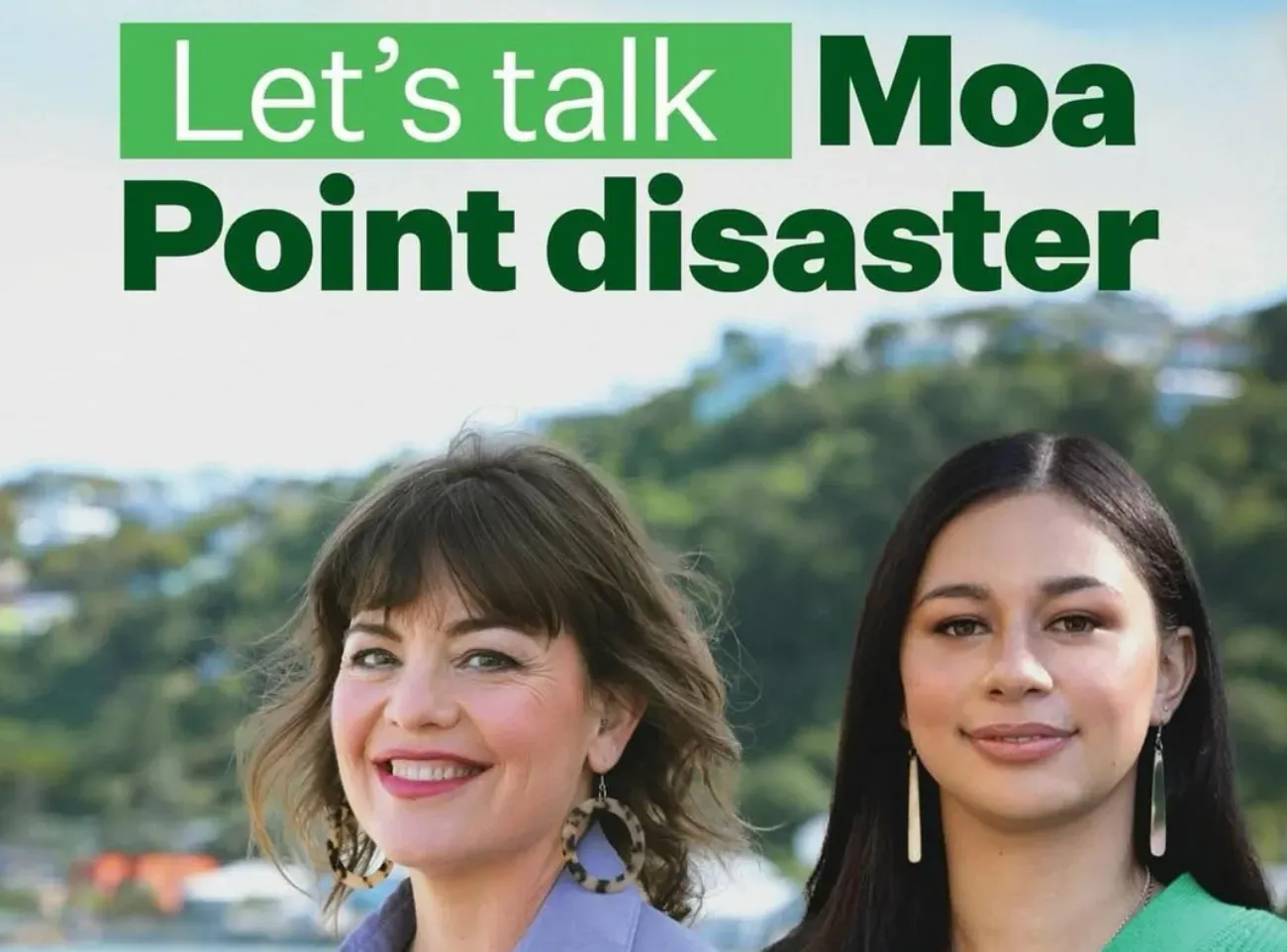
Politicians from both Green and Labour camps, including Tamatha Paul, must face questions about their role in the failure of water governance. Their failure to act on critical infrastructure needs contributed to the crisis. - 💼 Lack of accountability
The real problem lies in the political culture that allows leaders to avoid taking responsibility. If no one holds politicians accountable, then an inquiry will just shift blame to contractors and prevent real systemic change. - 🔍 Tamatha Paul’s role
Paul, as chair of the Environment and Infrastructure Committee, had the power to demand change but did not act. Her attempt to shift blame raises questions about her role in overseeing the disastrous system. - ⚠️ The ultimate risk
Without scrutinizing the politicians who created the flawed governance structure, the inquiry will likely fail to hold the right people accountable. This pattern of avoiding responsibility is all too typical of Wellington’s political culture.