
This is edition 2026/028 of the Ten@10 newsletter.
Hi all,
This is the Ten@10, where I collate and summarise ten news items you generally won't see in the mainstream media.
Enjoy!
The Infrastructure plan that exposes “Broken New Zealand”
Bryce Edwards
- 🌧️ As New Zealand faced fresh storm damage, the Infrastructure Commission released its first National Infrastructure Plan, bluntly admitting the system is failing under natural hazards and poor governance.
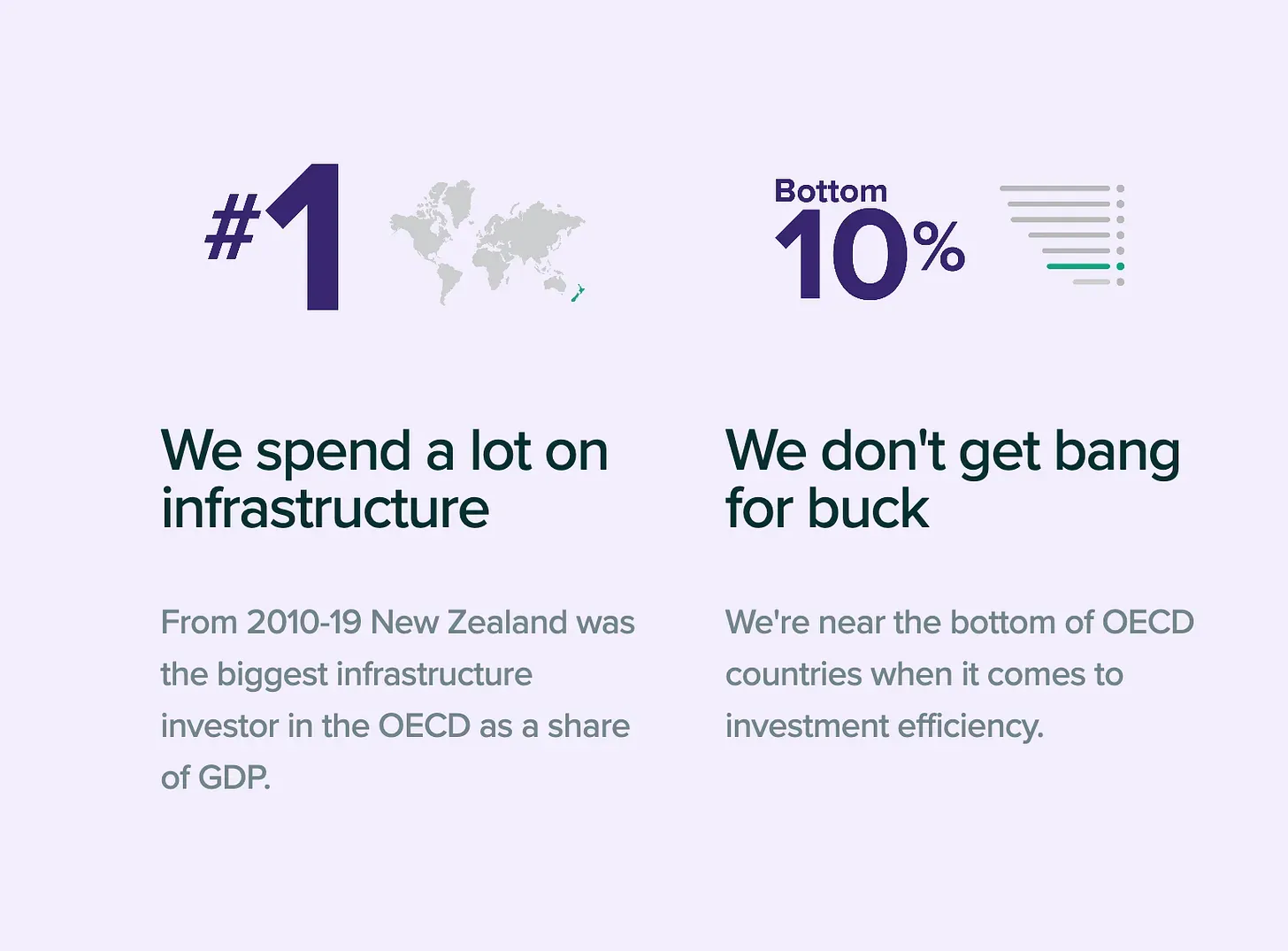
- 📉 Despite spending 5.8% of GDP (over $20b annually) on infrastructure — among the highest in the OECD — New Zealand ranks near the bottom for efficiency and asset management.
- 💸 Of nearly 12,000 planned projects worth $275b, $193b is unfunded, revealing not a spending shortage but a value-for-money and political decision-making crisis.
- 🏗️ The plan criticises decades of political mismanagement: obsession with mega-projects, neglect of maintenance, and constant policy reversals driven by electoral politics.
- 🛣️ The costly expansion of the Roads of National Significance programme is flagged as unaffordable, highlighting tensions between political promises and fiscal reality.
- 🔧 A major philosophical shift is proposed: 60% of capital spending over 30 years should go to maintenance and renewals rather than new builds, especially for ageing hospitals, water systems, and roads.
- 🏥 Health infrastructure requires the largest boost, with hospital investment needing to double as a share of GDP and Auckland projected to need 1,100 extra beds by 2050.
- 🚦 The plan questions building roads for peak demand and suggests congestion pricing and better sequencing of projects instead of “dreaming big” and cancelling later.
- 💰 Greater reliance on user-pays funding (tolls, congestion charges, higher electricity and water costs) could disproportionately impact lower-income households.
- 🤝 Expanded use of public-private partnerships and KiwiSaver investment in infrastructure raises concerns about risk transfer to workers and past failures like Transmission Gully.
- 🏛️ Proposed structural reforms would shift more power to technocrats and regulators, potentially reducing democratic oversight in a small, tightly networked political system.
- 🏢 Infrastructure lobby groups quickly shaped the narrative, advocating more spending and private capital while operating with limited transparency in a country lacking a lobbying register.
- 🔄 The article argues infrastructure mirrors a broader “Broken NZ” pattern: concentrated economic power, revolving doors between industry and government, and politicians shielding incumbents.
- ⚖️ Ultimately, the crisis is political rather than technical — the plan’s impact depends on whether politicians confront vested interests, level with voters about affordability, and design fair reforms.