This is edition 2026/029 of the Ten@10 newsletter.
Hi all,
This is the Ten@10, where I collate and summarise ten news items you generally won't see in the mainstream media.
Enjoy!
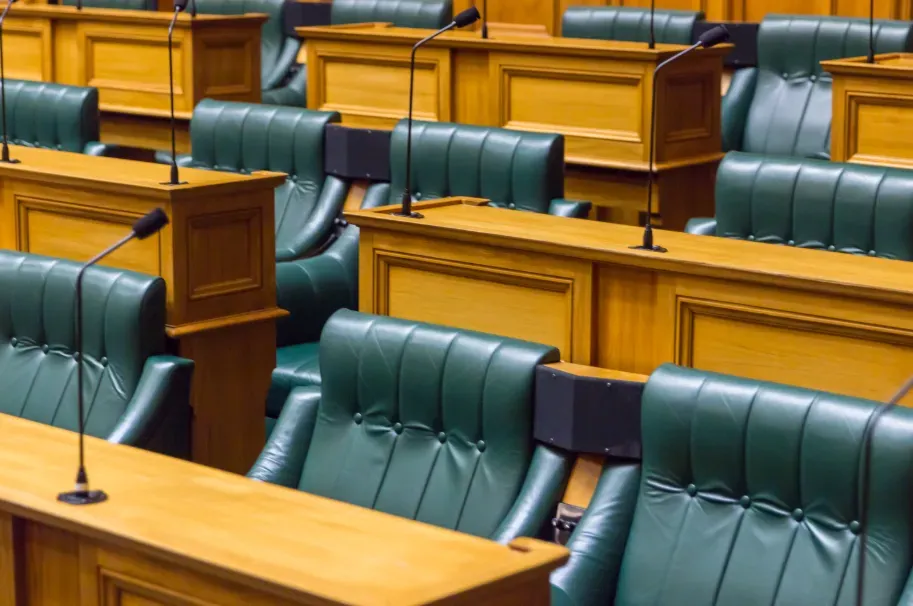
Giving Up Our Seats.
Chris Trotter
- 🏛️ The constitutional debate over the Māori seats is reaching a tipping point, as what began in 1867 as a political safety valve has evolved into a platform for deeper, Treaty-driven constitutional change.
- 🌿 Te Pāti Māori has transformed the role of the Māori seats from ethnic brokerage into a vehicle for more radical, unapologetically indigenous politics.
- 📜 Earlier Māori leaders like James Carroll, Sir Apirana Ngata, and Tahupōtiki Wiremu Rātana used the seats to negotiate within the settler system, accepting colonisation as a political reality while seeking incremental gains.
- 🤝 The Māori Party’s 2008 alliance with New Zealand National Party reflected familiar brokerage politics—similar to Labour’s historic partnership with the Ratana movement in the 1930s.
- 🔄 Since the 1980s, leaders like Jim Bolger, Doug Graham and John Key advanced Treaty recognition, but settlement politics largely bypassed working-class urban Māori.
- 🏙️ Labour’s 2017 reclaiming of all seven Māori seats drew on class-based rhetoric, yet under Jacinda Ardern the focus shifted toward culture over material concerns, leaving many working-class Māori dissatisfied.
- 🔥 New leaders such as Rawiri Waititi, Debbie Ngarewa-Packer, and Hana-Rawhiti Maipi-Clarke use Parliament as a stage to dramatise indigenous grievance rather than to quietly negotiate within settler norms.
- 🌍 Maipi-Clarke’s high-profile opposition to David Seymour’s Treaty Principles Bill signalled a shift from compromise to globalised, performative indigenous resistance.
- 🗳️ The adoption of MMP in 1993—recommended earlier by the Royal Commission on the Electoral System—was expected to make Māori seats redundant, yet they were retained for strategic and political reasons.
- ⚖️ The essay argues that a referendum on retaining the Māori seats would clarify New Zealand’s constitutional direction more effectively than legislative skirmishes, forcing a choice between colour-blind liberalism or a new bicultural settlement.
- 🇳🇿 Ultimately, the piece contends that New Zealand has never fully become “one people,” and must now decide how Māori and Pākehā will share power in the future.