
This is edition 2026/032 of the Ten@10 newsletter.
Hi all,
This is the Ten@10, where I collate and summarise ten news items you generally won't see in the mainstream media.
Enjoy!
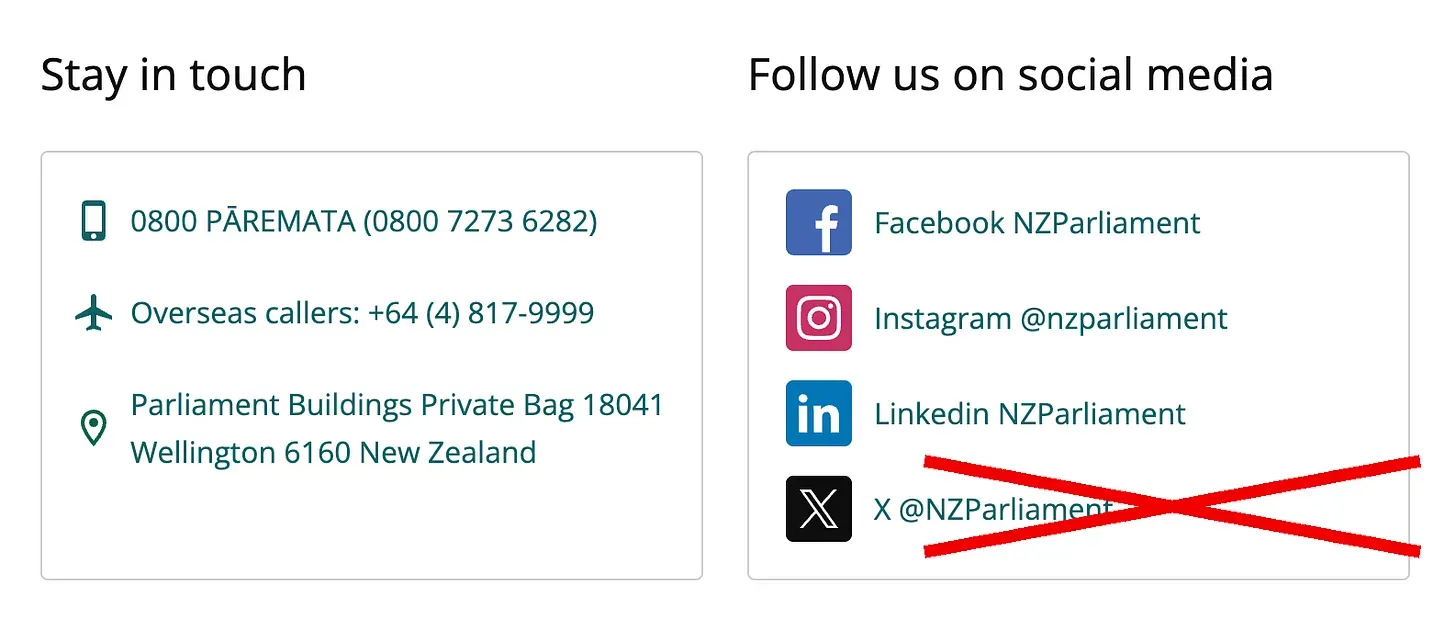
The Questionable retreat from X
Bryce Edwards
- 🏛️ New Zealand’s Parliament ceased using X (formerly Twitter) after Clerk David Wilson said he could no longer “support” the platform due to concerns about Grok AI and deepfake imagery, framing the move as a matter of principle rather than administration.
- 📰 The decision followed a column by Andrea Vance in the Sunday Star-Times urging politicians and public bodies to leave X, arguing that continued use amounted to tacit endorsement of harmful content.
- ⚖️ Critics including Winston Peters, the Free Speech Union, and other ministers condemned the move as moralistic virtue signalling and warned it risked undermining democratic freedoms through unilateral decision-making.
- 🧠 Commentator Liam Hehir argued the Clerk’s language revealed a personal moral stance rather than a neutral operational judgment, suggesting proper cross-party consultation processes were bypassed.
- 🔍 The article highlights Wilson’s prior background in censorship roles, suggesting this may have influenced a broader retreat from public engagement, including disabling comments on Select Committee livestreams.
- 🏢 The departure from X mirrors a wider trend among left-leaning parties, media outlets like Stuff and TVNZ, and many public agencies, reinforcing perceptions that institutional elites are politically aligned.
- ⚡ Critics argue there is a glaring double standard: while X is singled out, platforms like Facebook, Instagram, and TikTok—also linked to serious harms—remain in use by Parliament and others.
- 👥 Around 650,000 New Zealanders still use X, and with only 13% of citizens feeling connected to Parliament, withdrawing from the platform risks further weakening democratic engagement and access to authoritative information.
- 🎯 The author contends the move is a political gesture disguised as child-safety concern, potentially fuelling narratives that the public service is “woke” or disconnected from ordinary voters.
- 🔄 The conclusion argues that while X has real flaws under Elon Musk, public institutions should remain present where citizens are active, regulating platforms consistently rather than selectively abandoning them.