
This is edition 2026/033 of the Ten@10 newsletter.
Hi all,
This is the Ten@10, where I collate and summarise ten news items you generally won't see in the mainstream media.
Enjoy!
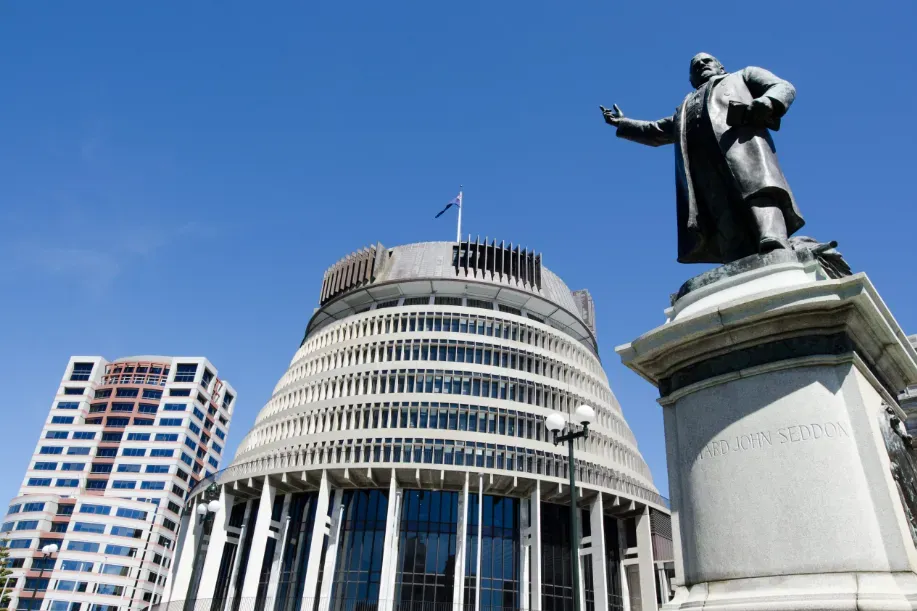
1. The Radical Solution.
Chris Trotter
- 🔥 Radical energy is essential to prevent stagnation, and New Zealand was once famed as the “social laboratory of the world” for boldly embracing reform.
- 🕰️ The last major wave of reform — the 1980s–90s “quiet revolution” — is now decades old, yet today’s calls for change simply echo its logic.
- ⚠️ Economists and commentators warn of debt, ageing demographics, and fiscal crisis, insisting radical reform is urgently needed.
- 🔁 But the proposed “radical” fixes — spending cuts, deregulation, privatisation, user-pays — are merely an intensification of the status quo.
- 👵 Critics target New Zealand Superannuation as unsustainable, proposing higher eligibility ages, reduced payments, and means testing.
- 📊 Demographically, the Baby Boomer bulge will pass; once the “pig in the python” moves through, the 65+ population will eventually decline.
- 🎯 Ironically, harsher super policies would hurt Generation X and younger cohorts more than Boomers, turning age-based resentment inward.
- 💔 Elderly poverty carries moral weight, which is why welfare states were built to protect older citizens from destitution.
- 📉 By many measures — wages, home ownership, healthcare access, education standards, infrastructure, and talent retention — New Zealanders in 2026 are worse off than in 1986.
- 🏛️ The true radicalism of the 1980s–90s lay in dismantling and weakening the New Zealand state, transferring power and assets into private hands.
- 🧠 New Zealanders were persuaded that shrinking the state was the only path to prosperity, marginalising belief in public solutions.
- 🌱 The essay argues that only a revitalised, assertive state — the force that originally built modern New Zealand — can restore housing, health, education, infrastructure, and social cohesion.