
This is edition 2026/036 of the Ten@10 newsletter.
Hi all,
This is the Ten@10, where I collate and summarise ten news items you generally won't see in the mainstream media.
Enjoy!
1. How should NZ respond to the US bombing of Iran?
Bryce Edwards
- 🌍 The US carried out what critics call an illegal bombing of Iran, prompting fierce debate in New Zealand over how to respond and whether to prioritise international law or alignment with Washington.
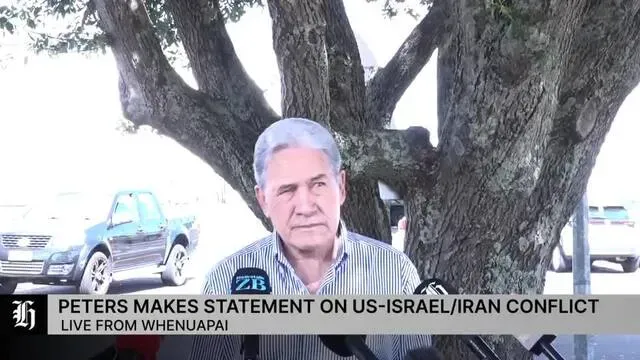
- 🇳🇿 The Luxon–Peters Government issued a cautiously worded statement leaning toward the US position, avoiding explicit endorsement but refusing to call the strikes illegal, while urging renewed negotiations.
- 🇺🇸 Countries split along a spectrum: Australia and Canada openly backed the US; the UK, France, and Germany avoided criticism; Spain, Norway, Switzerland, and UN leaders condemned or questioned the legality of the strikes.
- ⚖️ Former PM Helen Clark called the Government’s stance a “disgrace,” accusing it of “servility” to Washington and warning that breaching sovereignty without imminent threat undermines international law.
- 🏛️ Legal scholars and former diplomats argued the strikes violate the UN Charter and risk eroding the rules-based order that small states like New Zealand rely on.
- 🗳️ Opposition parties diverged: Labour urged restraint from “all parties,” the Greens labelled the strikes illegal and immoral, and Te Pāti Māori rejected unilateral military action outright.
- 🔥 Supporters of the strikes argue Iran’s regime is brutal, expansionist, and nuclear-ambitious, with some Iranian-Kiwis celebrating Khamenei’s death as a long-awaited chance for regime change.
- 🧨 Critics warn of Iraq-style chaos, unintended consequences, and the danger that regime-change wars often worsen instability rather than resolve it.
- 💰 The conflict carries material risks for New Zealand, including rising oil prices, disrupted Gulf trade routes, and diplomatic fallout in key trading relationships.
- 🧭 The crisis exposes deeper tensions about New Zealand’s independent foreign policy tradition—whether it still stands apart on principle or is drifting toward quiet compliance with US power.
- ❓ Ultimately, the debate turns on a core question: if powerful nations can bomb others for regime change without clear legal justification, what limits remain—and who decides?