
This is edition 2026/090 of the Ten@10 newsletter.
Hi all,
This is the Ten@10, where I collate and summarise ten news items you generally won't see in the mainstream media.
Enjoy!
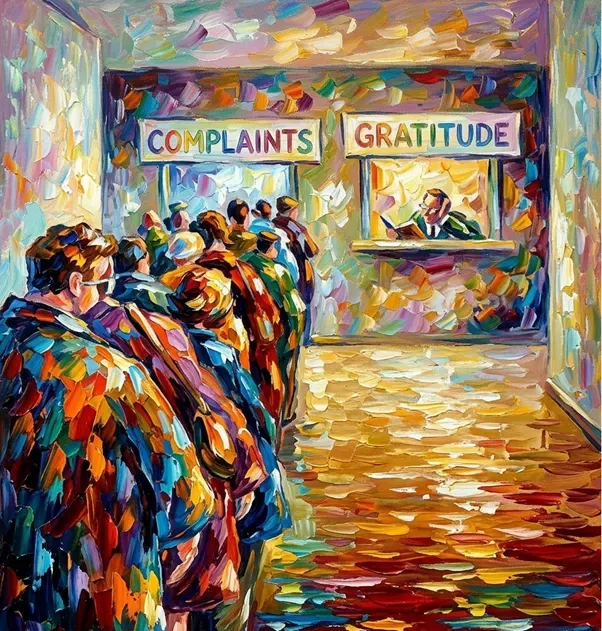
1. The Culture of Complaint
David Harvey
- 📚 The Culture of Complaint (1993) is highlighted as a prescient critique of grievance-based politics, with ideas that strongly resonate in 2026
- 🧠 Robert Hughe is portrayed as a brilliant, elegant writer who warned that debate was being replaced by complaint and victimhood
- ⚖️ Hughes argued both Left and Right embraced grievance: the Left via identity politics and the Right via nostalgic, aggrieved nationalism
- 🎭 He criticised academia for prioritising identity over rigorous debate, calling multiculturalism in universities a form of intellectual avoidance
- 🗣️ Language policing and speech codes were seen as substitutes for real argument, reflecting declining intellectual toughness
- 🔁 “Victim culture” was described as self-defeating, encouraging people to define themselves by grievance rather than agency
- 🌍 The essay argues New Zealand today mirrors Hughes’ America, with complaint becoming culturally and institutionally entrenched
- 📊 High grievance levels (67% of NZers) correlate with declining trust in institutions and increased zero-sum thinking
- ❗ A paradox emerges: perceptions of inequality are rising even as actual income inequality has declined
- 🏛️ The Waitangi Tribunal is presented as the central institutional mechanism of grievance, evolving from addressing historical wrongs into a permanent, expanding system
- 📜 Treaty processes, while initially justified, are argued to have become open-ended, incentivising ongoing claims and creating a “grievance industry”
- ⚖️ Complaint mechanisms (courts, tribunals, regulators) are said to create a feedback loop that generates and validates more complaints
- 💼 Workplace culture has shifted toward formal grievances and legal escalation, making management more defensive and organisations more fragile
- 📺 Bodies like the Broadcasting Standards Authority amplify complaint culture, where even minor offence can trigger national consequences
- 📱 Social media accelerates grievance through public pile-ons, rewarding outrage and escalating minor issues into major controversies
- 🔄 Both Left and Right in NZ are described as weaponising victimhood, creating mirrored grievance narratives
- 🧱 The “architecture of complaint” is now deeply embedded across institutions, media, and workplaces
- 🧩 This culture distracts from real issues like productivity decline, housing shortages, and education challenges
- ⚠️ Energy is being spent on grievance (legal battles, media outrage) instead of practical problem-solving
- 🛠️ The essay calls for a return to agency, civic responsibility, and evidence-based solutions rather than grievance competition
- 🤝 It concludes that addressing real problems requires cooperation, honest debate, and rejecting victimhood as the dominant social framework