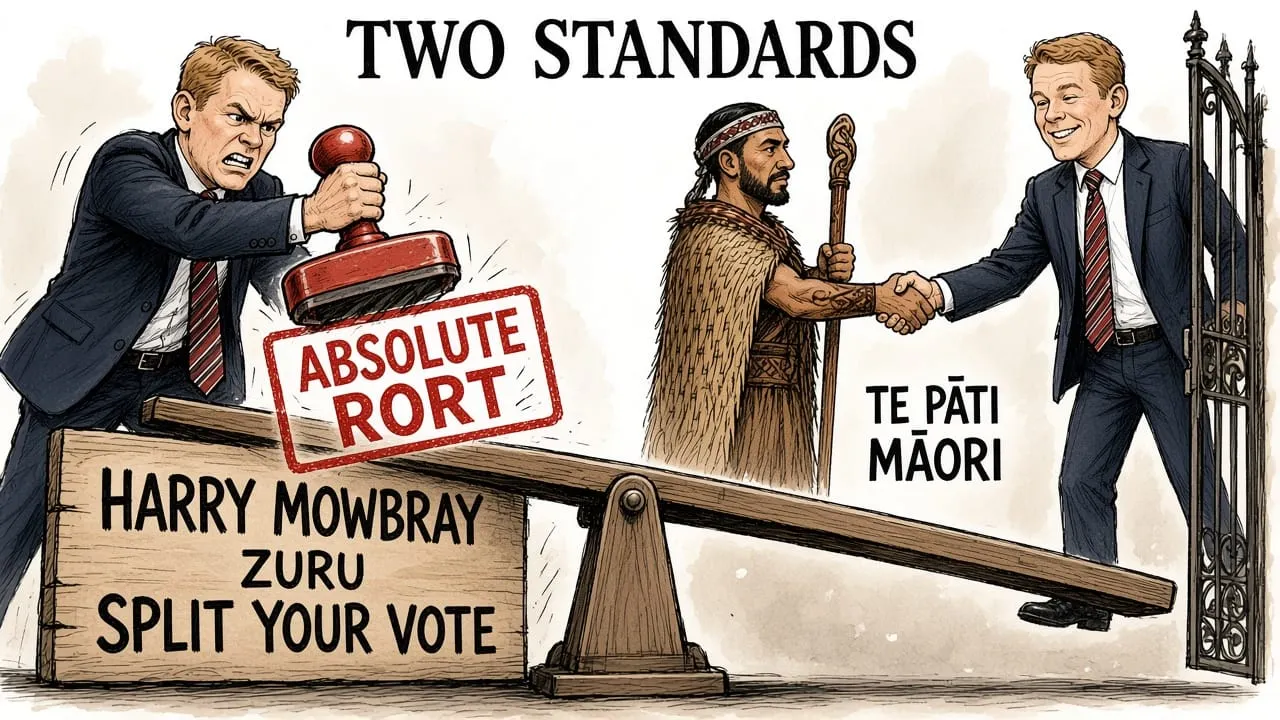
Audrey Young’s NZ Herald column examines “what really happened” between journalists at Parliament’s Beehive after a reported “slur” event, placing the incident in the centre of New Zealand Parliament media dynamics. The Beehive slur event and the ensuing journalists controversy are framed as more than a personal clash, with questions about how the dispute unfolded and how it has been interpreted in NZ political news.
What the column revisits
The piece revisits the incident at the Beehive and the competing accounts that have circulated among press gallery reporters and political staff. It situates the episode within a high-pressure political media environment, where access, reputation, and the credibility of journalistic conduct are under scrutiny.
Why the dispute matters
Young’s account suggests that the immediate facts are less important than the broader implications for trust in political reporting. In a small media market, the way a “slur” allegation is handled can shape how MPs and the public view the press gallery’s standards and internal accountability.
By centring the incident in her analysis, the NZ Herald politics writer implicitly highlights the power dynamics at play in New Zealand Parliament, where relationships between journalists, officials, and politicians can affect coverage. The dispute also risks amplifying divisions within the press corps at a time when public confidence in media remains fragile.
The column’s focus on the Beehive slur event underscores how a single confrontation can become a test case for transparency and professionalism in political media, with consequences that extend beyond the individuals involved.