


Press Releases

We Must Put Safety Ahead of Ideology
Helen Houghton, Conservative Party Leader, says the Teaching Council must urgently refocus on its fundamental responsibility: protecting children and ensuring every teacher meets the standards required to work in our schools.

A Win for Free Speech
Helen Houghton challenges ‘extremist’ label and secures a public apology from HarperCollins and Byron Clark.


Protect Kids Without an Internet Surveillance Regime
PILLAR opposes government social media ban.

Is There Foreign Interference in NZ Academia?
PILLAR has written to Minister for Tertiary Education Hon Penny Simmonds asking whether the government has sought security advice on Confucius Institutes and whether it will review foreign-state-linked university partnerships.
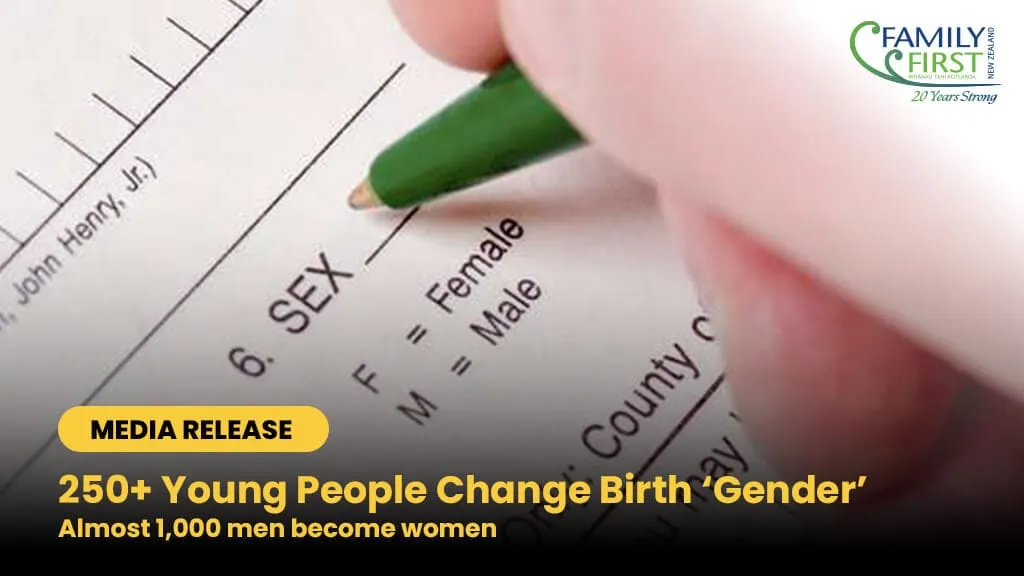
Almost 1,000 Men Become Women
There have been 2,099 gender marker changes on birth records in New Zealand since 15 June 2023. Of concern is that 984 men have changed their gender to female on their birth certificate – an average of almost one per day – who can now access women’s spaces.

PILLAR’s FIT Bill Enters the Biscuit Tin
After less than a year of operation, PILLAR NZ has now contributed directly to New Zealand’s legislative process through the development of a member’s bill: the Foreign Influence Transparency (FIT) Bill.

Parents Are the Best Defence
PILLAR has consistently advocated for a Digital Bill of Rights approach that prioritises parental empowerment, digital literacy, education, targeted enforcement against genuinely illegal content, and privacy-respecting tools over broad government controls.

Bill of Rights and Foreign Influence Bill
Recent events demonstrate New Zealand can no longer afford to remain reactive on issues of digital freedom and foreign interference.

Bill of Rights To Push Back
PILLAR will now begin engaging with members of parliament, legal experts and civil society organisations with the goal of introducing the proposal to parliament. Nathan Seiuli says the choice facing New Zealand is bigger than social media.


Are We Captured by the Bureaucracy?
The public does not want a lesson in governance theory. They want democratic control and competent delivery. What do you think, are elected leaders still truly in charge, or has the balance tipped too far toward the bureaucracy?

Biometric Surveillance Raises Serious Privacy Concerns
PILLAR is calling on parliament to ensure any expansion of biometric surveillance powers is accompanied by clear statutory safeguards, independent oversight mechanisms, transparency requirements and meaningful protections for privacy rights guaranteed under New Zealand law.

Gender Lobby Gains Access to High Schools
The presenters named are not independent health educators. Each is a registered member of PATHA – the Professional Association for Transgender Health Aotearoa – the activist organisation currently waging a court battle against the New Zealand Government’s puberty blocker ban.

The Creation of an Online State Regulator
History demonstrates that broad censorial powers rarely remain narrowly confined.