Table of Contents
Peter MacDonald
Peter MacDonald is a longtime geopolitical commentator with roots in print media and a focus on industrial, geopolitical and global affairs.
Christopher Luxon is increasingly walking a political tightrope. While he may have guided National back into government in 2023, cracks are emerging both in his public image and his leadership style that could see him replaced before the next election. If that happens, Chris Bishop stands out as the most likely successor.
Luxon is perceived by many as weak and unconvincing, especially when scrutinised by media or placed under pressure. His style remains that of a corporate CEO, polished and managerial, but ultimately disconnected from everyday voters. He often struggles to articulate spontaneous, relatable, responses and has failed to build the emotional rapport that New Zealanders typically expect in a prime minister. The result...a growing sense that he is not in full command not of his government, not of public messaging and perhaps not even of his own party.
In contrast, Chris Bishop has everything Luxon lacks. He is charismatic, experienced and possesses a straight talking, unassuming nature that appeals across demographic lines. He communicates in clear, confident language engaging directly with both the public and media without the stiffness that has dogged Luxon. He is relatable, dynamic and knows how to connect with people outside the party’s traditional base.
Bishop’s political credentials are solid. First elected in 2014, he has climbed steadily and now holds several critical portfolios: Transport, Infrastructure, Housing, and RMA Reform. He also led National’s 2023 election campaign, which not only delivered victory but showed his strategic mind and campaigning effectiveness. Add to that his current role as Leader of the House, and it’s clear that Bishop is at the core of National’s political engine room.
Visually and personally, he’s also what National needs to remain electorally viable in the 2020s. Young, energetic and relatable, Bishop presents a modern face for a traditionally conservative party. Bishop’s Hutt South seat has long been a marginal and symbolic battleground for National. His decisive win there in the 2023 election was a game changer for the party, significantly boosting his profile and thrusting him into National’s leadership spotlight on election night. His effective local campaigning has built a loyal base of urban voters: something Luxon’s corporate image has failed to capture, especially with younger and professional demographics. This urban connection could prove crucial as National seeks to broaden its appeal beyond traditional conservative heartlands.
He’s also ambitious without being egotistical – a rare balance. Bishop doesn’t seek the spotlight for its own sake, but he shines in it when the time comes. His rising influence, broad appeal and ability to manage serious portfolios all point to one conclusion: if National wants to hold on to government in 2026, it will need a more compelling leader than Luxon and Chris Bishop is that leader.
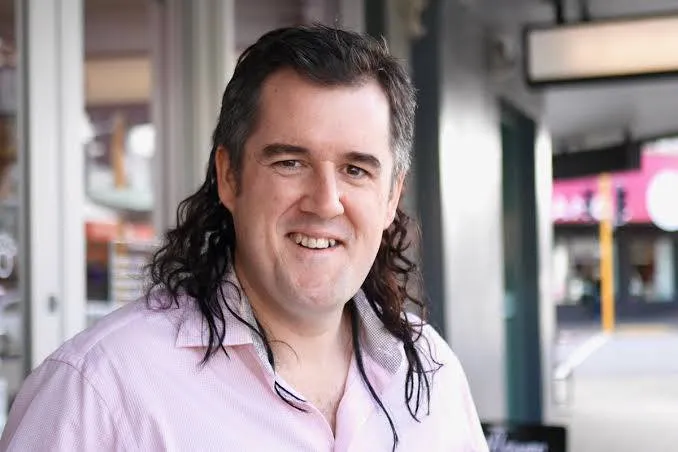
Unless Luxon can drastically reframe his public image, assert stronger control over the coalition and genuinely connect with struggling New Zealanders: the writing is already on the wall. Bishop will not need to agitate for leadership – the party may simply come to him when the time is right. This old photo of Bishop sporting a classic mullet haircut is a modest, down-to-earth look that screams local bloke. It’s a stark contrast to Luxon’s polished, international businessman persona, which many see as being disconnected from everyday New Zealanders. Bishop’s mullet-wearing days symbolise a genuine Kiwi identity: authentic, relatable and approachable, versus Luxon, who is often perceived as a career politician lacking that essential Kiwi connection.