Nobody tell Immigration New Zealand or the NZ Herald, but yours truly is returning to your shores some time next year. After all, we don’t want them digging up those old parking fines.
Anyway, it’s been a few years since I visited your fair land — years in which a great many changes have occurred. And not exactly for the better.
This week marks five years since Jacinda Ardern became New Zealand’s 40th prime minister. In modern British political terms, such a period might now be referred to as an era. In New Zealand, too, it feels just like that: a very long time […]
to anyone in New Zealand, it is obvious that something has changed in those past five years. Visitors, who may only frequent these shores every few years, will surely notice the differences even more.
So, what can I look forward to/dread?
Some changes are both deep and superficial. The best example is the greater visibility of Te Reo Maori, the Maori language.
Well, as a daily consumer of New Zealand media, believe me, I’m onto that one. Don’t worry, we have the same stuff in Australia, where woke government departments and taxpayer-funded media are browbeating us with “Abonics” and “dual naming”. The biggest problem with this guff is that it’s not an organic, natural shift in usage or society, by any stretch of the imagination. It’s a top-down, forced elitism.
It was the same when the new Norman elite conducted their affairs exclusively in French, a language almost none of their subjects spoke or understood. It’s the same as when Soviet and Maoist dictatorships forced a whole new lexicon on their subjects. It’s the same as the British public school elite speaking in a highly-coded slang that the “oiks” are excluded from.
It’s about control. Signalling unambiguously who’s boss.
Alongside these changes, the nature of the state in New Zealand has evolved too […]
Under Ardern, the state has assumed a role beyond its functional aspects. That is most obvious in the so-called ‘well-being budgets’.
Instead of simply allocating funds to various government departments, the state now aims for something higher: it aspires to uplift its citizens in an almost spiritual manner. Whether it succeeds in that quest is a different question, but the very idea of the New Zealand state has changed under Ardern.
Well, we know the answer to that one: it’s failed. Dismally. Abjectly. Child poverty and homeless have skyrocketed under Ardern’s nannying stewardship.
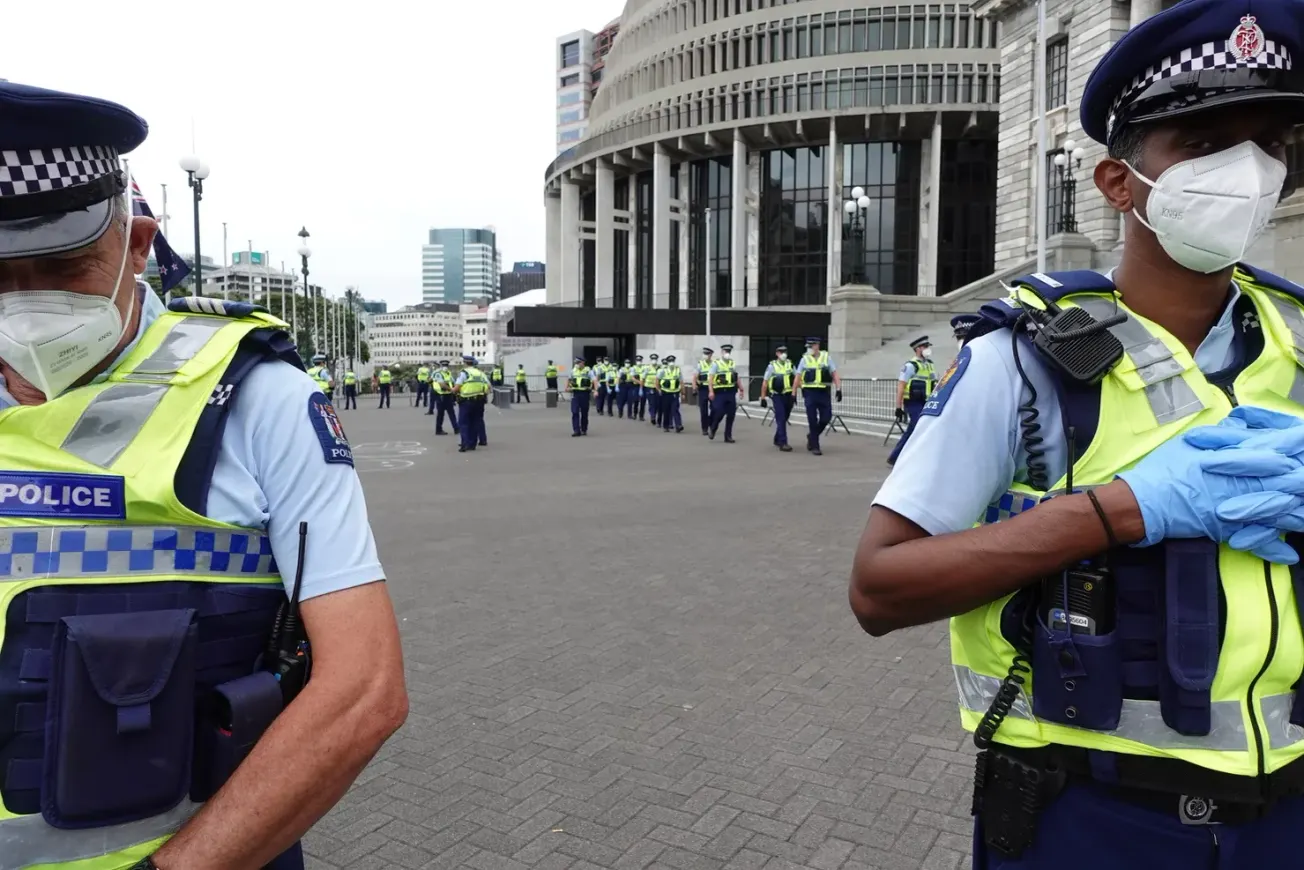
But that’s almost irrelevant: the only real point is that New Zealanders are being conditioned to rely wholly on the state, up to and including what they think and say. Ardern’s government is determinedly controlling the speech of New Zealanders. The once-unthinkable sight of police knocking on citizens’ doors because of things they have said and thought is now commonplace. Saying the wrong thing publicly costs Kiwis their jobs and even their ability to participate in basic functions like banking.
Ardern’s record is one of deep change in the nature of the New Zealand state and its relationship to citizens. On the country’s most pressing social and economic problems, Ardern has not achieved any improvement. On many measures, the country is actually worse off than it was when she became Prime Minister.
The Australian
Most profoundly, the country has become, by the Prime Minister’s own admission, “a two-tier society”.
And she couldn’t hide her delight at that.
On second thoughts, maybe I should stay home.