Table of Contents
Summarised by Centrist
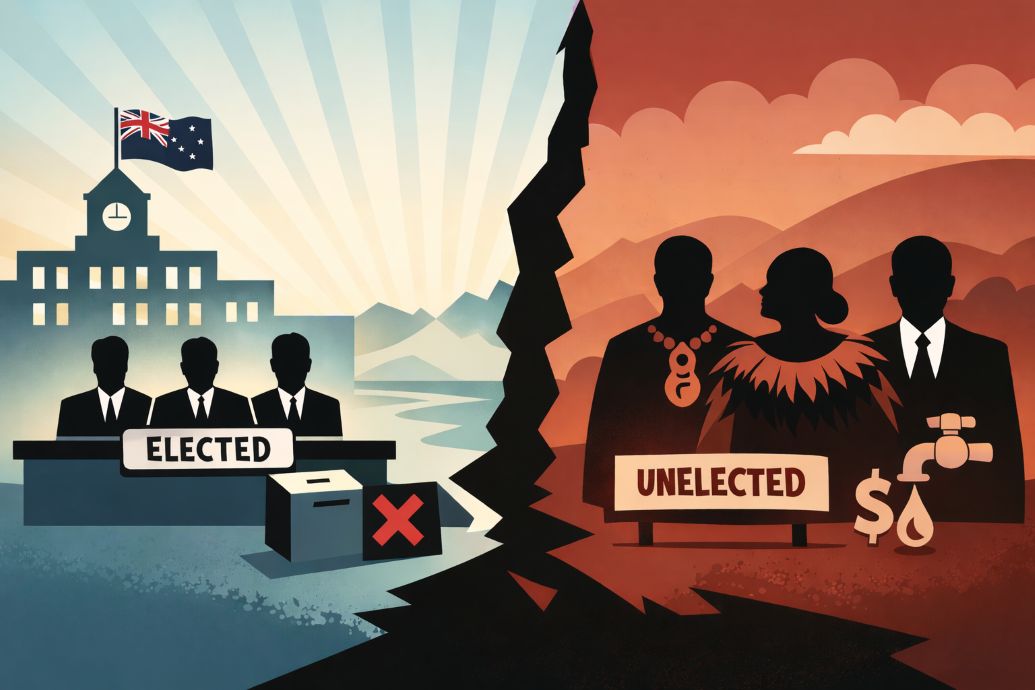
Speaking to Duncan Garner, Steve Gibson, the Hastings councillor described the region’s new water structure as “Three Waters in drag” and said the core problem is not Māori, but unelected influence.
“Nothing to do with Māori, it’s to do with the unelected officials running the show,” he said. His warning is that power is being shifted away from elected councillors and towards people the public cannot remove.
Gibson says the public already rejected co-governance. Labour, he argues, lost the 2023 election with Three Waters hanging around its neck, and Māori wards were rejected in referendums, including in Hastings. But councils are bringing it back anyway through advisory forums, appointed representatives and governance structures that sit further and further from the ballot box.
Gibson points to Article 3 of the Treaty, which promises equal citizenship under one system, not separate authority based on ancestry. “Where is the word co-governance or partnership in that?” he asks.
The clash in Hastings shows the competing mindsets clearly. Councillor Hana Montaperto-Hendry said there was “nothing to be scared of in appointing a mana whenua representative”. Gibson’s answer is that the public is told there is nothing to fear, even as unelected voices gain more say over public assets and services.
He warns that if this model keeps spreading, iwi and other unelected appointees will gain the power to shape systems that charge the public for water without direct electoral accountability.
He also argues that too many councillors are too frightened of being called racist to resist it, blaming what he calls “woke women” and “emasculated men” for helping keep the agenda alive.
Read more over at The NZ Herald and on YouTube