Table of Contents
As often happens with disasters, natural and man-made, the Chinese virus pandemic is a playground for every prognosticator, soothsayer and two-bit pundit. Unsurprisingly, the predicted long-term effects of the pandemic always seem to be remarkably in tune with the pundit’s prejudices.
The Green-Left are eagerly anticipating a mass conversion to ‘Democratic Socialism’. The right fear exactly the same. Nationalists cheerily predict the death of globalism. Remainers insist that it proves the vital importance of transnational globalism.
This tendency to interpret the pandemic through the lens of ideology is also obvious in how people react to those effects already being observed.
The coronavirus is driving the biggest population decline in Australian history, with 300,000 tourists, temporary workers and students already departing this year in an exodus that threatens to deepen a consumer spending slump and hit the housing market.
Naturally, economists and Big Australia types are devastated by this news. Other Australians, markedly less so. Which shouldn’t be that surprising: repeated surveys have shown public sentiment in favour of slashing record-high immigration.
Mr Rizvi said two decades of high temporary immigration had come to a “shattering halt”[…]
The population ha[s] grown by 10 per cent since September 2013, or by 2.3 million people — the equivalent of another Perth and Wollongong — [since 2013].
That’s the issue for many Australians, though: immigration is anything but ‘temporary’. As many nations, like Germany, have discovered, ‘guest workers’ from poorer nations show an entirely unsurprising reluctance to leave rich countries, especially ones with generous welfare states, once they’re in.
In some respects, economists are right to worry. Immigration undoubtedly provides an easy sugar hit for the economy (whatever the trade-off in pressure on infrastructure and social strain). The ‘lockdown’ response of most governments is going to deliver an economic hammer blow in short order. But is simply ramping up immigration the long-term answer?
Meanwhile, there are economic opportunities as well as threats ahead. Tourism contributes more to Australia’s GDP than immigration. Australia has fared far better than many other countries in containing the Chinese virus.
“We’re likely going to wind up in a world in which some countries have eliminated COVID-19 and some haven’t, and there’ll be a huge gulf between them, especially in terms of passenger traffic[.”]
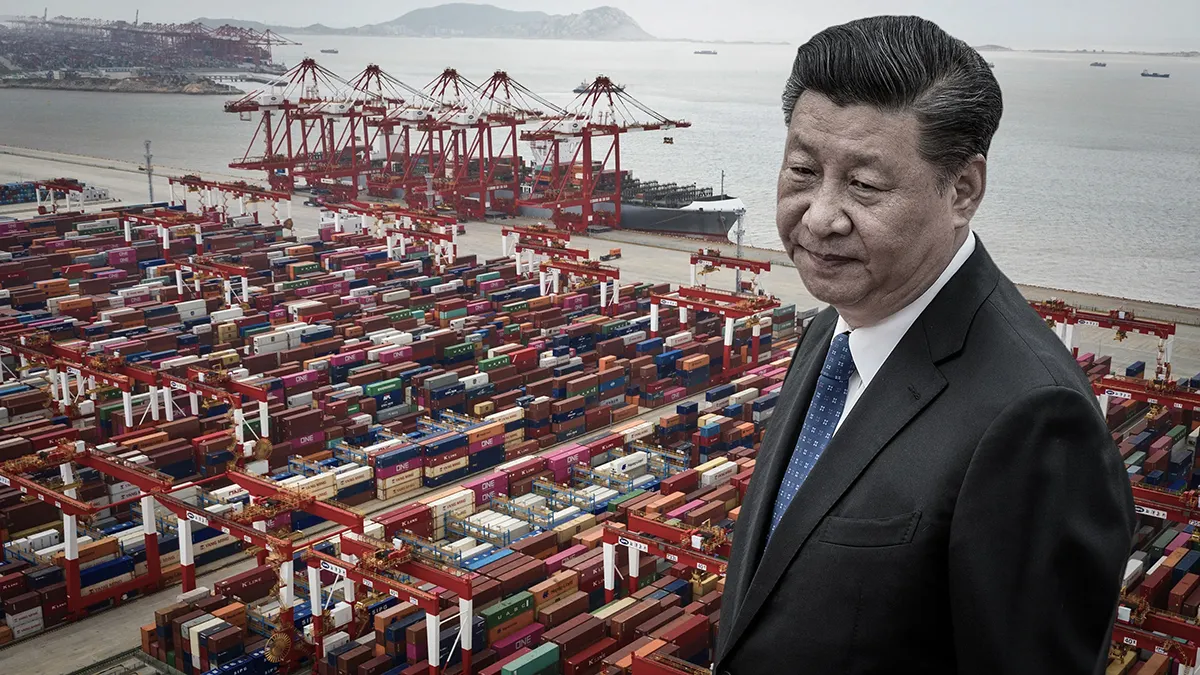
Another opportunity is something that’s also making some economists fret but being cheered on by many ordinary folk: the possible end of China’s dominance of global manufacturing.
“Using China as a hub…that model died this week, I think,” says Vladimir Signorelli, head of Bretton Woods Research, a macro investment research firm.
This will be welcome news to folk in every rust-belt economy who’ve seen their jobs steadily exported to China. In fact the virus is amping up a trend already set in motion by President Trump.
That China is losing its prowess as the only game in town for whatever widget one wants to make was already under way. It was moving at a panda bear’s pace, though[…]under President Trump, that slow moving panda moved a little faster[…]
Enter the mysterious coronavirus[…]and anyone who wanted to wait out Trump is now forced to reconsider their decade long dependence on China.
Retail pharmacies in parts of Europe reported that couldn’t get surgical masks because they’re all made in China.
Not only that, but the stuff China has been flooding the world with recently, in a desperate attempt to curry soft-power favour, has turned out to be garbage. Consumers around the world are discovering what the Chinese people, with their insatiable thirst for Western-made goods, already knew: too much Made in China stuff is just crap.
The coronavirus is China’s swan song. There is no way it can be the low-cost, world manufacturer anymore. Those days are coming to an end. If Trump wins re-election, it will only speed up this process as companies will fear what happens if the phase two trade deal fails.
At the moment, likely beneficiaries in Europe and the Americas would seem to be countries like Albania and Mexico. But they have their own challenges: for instance, the simple worry about not getting shot by cartels in Mexico.
Moreover, the long-term grumbles in Australia about rebuilding local manufacturing are becoming loud enough that even Australia’s politicians and elites might actually hear what the plebs in the suburbs and country towns are saying.
It’s time for Made in Australia again.
If you enjoyed this BFD article please consider sharing it with your friends.