Table of Contents
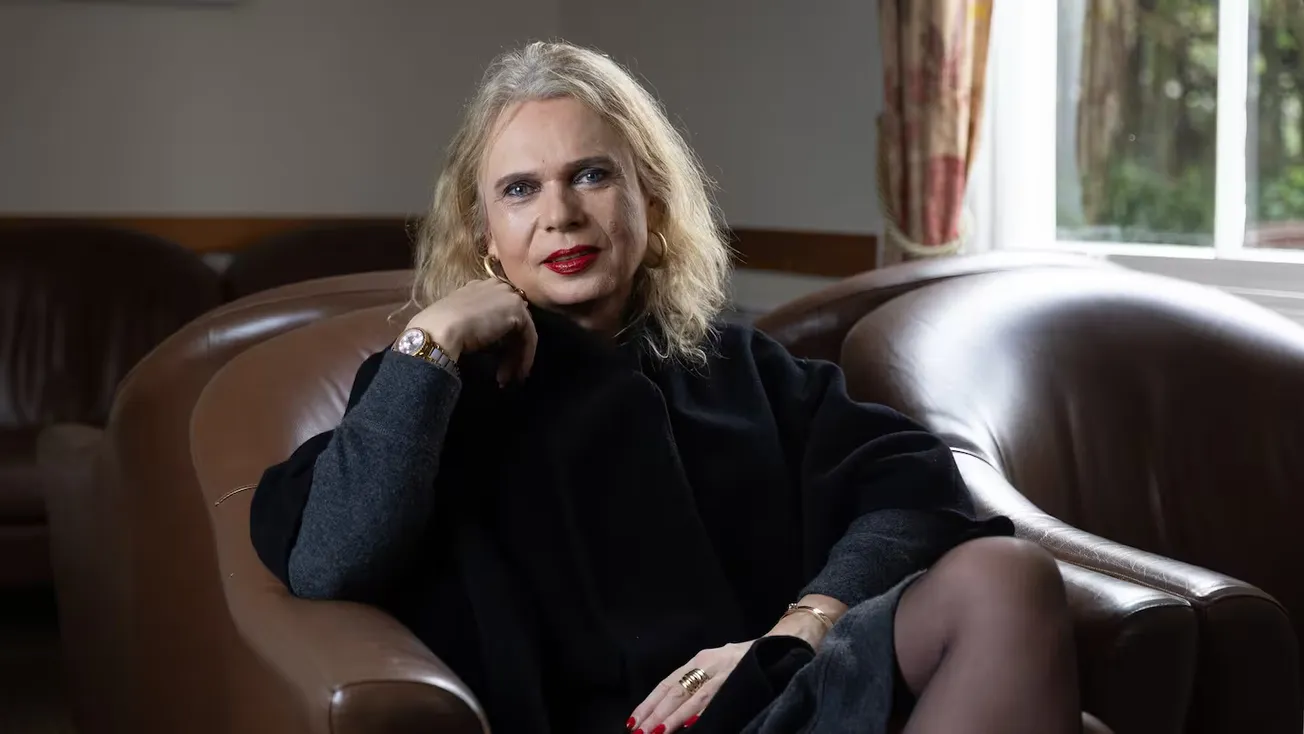
Before coming out, she had sometimes dressed as a woman in private and enjoyed it. [...]
However, she didn’t realise the full consequences of everything she was stepping into.
“If I’d contemplated this would be it for me, that for the rest of my life I’d have been living as a woman, I would not have come out. I would not have been able to handle the implications of that.”
She faces dangers she never faced as a man; she now knows what it is to be vulnerable at night. She has been leered at by men, has been seen as a sexual object (“When a man says ‘Oh, you’re beautiful’, it’s not a compliment. It actually can be quite menacing.”) She doesn’t feel able to travel to the United States and no longer feels safe in Britain, where she’s from.

Now, when she travels internationally, she often goes in disguise, as a man.“I am subject to discrimination and hostility like I have never been before. I’ve gone from being white, heteronormative middle class, male privileged … and then, overnight, I’m ‘other’.“At the University of Auckland, she has taught sociology for 16 years and been top of the senior lecturer scale for the past seven. [...]
“Technically, it’s possible, because I haven’t had operations and so forth, but you can’t undo what you learn, and to go back to that would feel like utter defeat. It would go against everything I stand for.”
[...] “So, for me, there’s no going back, and I have to live with the consequences of that. And in a society that has become increasingly hostile to trans women, that terrifies me.”

![[The Good Oil] Stuff Up of the Day](/content/images/size/w1304/format/webp/2024/09/Stuff-up-image-1.webp)