
Table of Contents
Simon O’Connor
Husband, step-father, foster dad, and longtime student of philosophy and history. Also happen to be a former politician, including chairing New Zealand's Foreign Affairs, Defence, and Trade Committee.
I’ve said over many years that very few MPs leave parliament the way they’d hope, and even fewer leave at a time of their own choosing. Arguably none really do, because MPs are always weighing up the circumstances around them and making decisions accordingly.
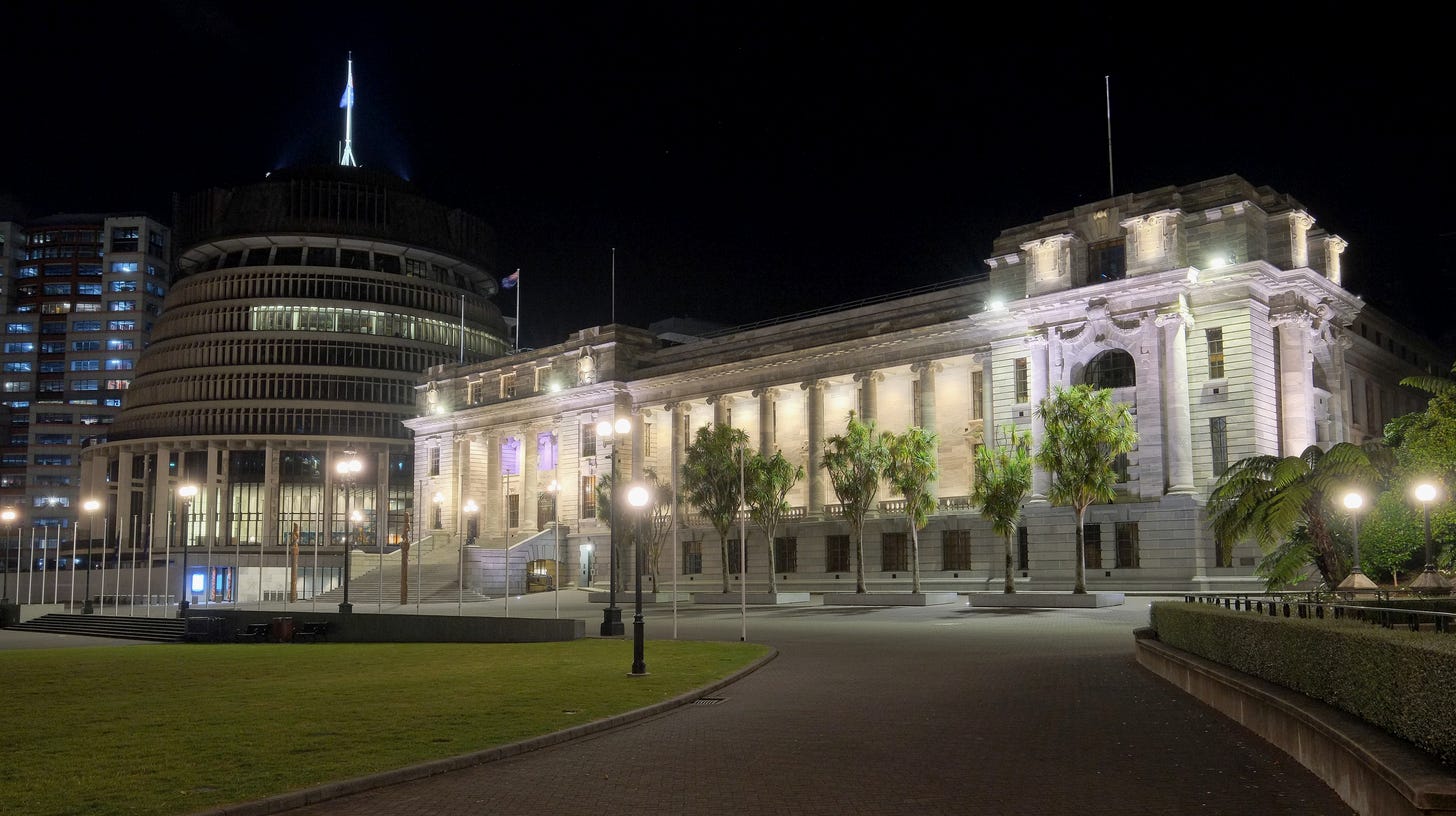
Most members of parliament leave because they lose their electorate seat, or their list ranking is too low to bring them back. Some can see the writing on the wall and jump before they’re pushed, and I’d put Jacinda Ardern’s departure in that category. Plenty of others go because of a scandal.
Across every political party, over many years, we can all think of those MPs who had to leave for a variety of inappropriate behaviour. The list is too long to enter here. It happens right across the political spectrum, from moral failings to financial impropriety, and more in between!
A few examples might suffice. We all remember NZ First and Winston Peters going with Labour and forming government in 2017, and yet, three years later, with only 2.7 per cent of the vote, the entire caucus was out of parliament.
In 2023 Labour’s Nanaia Mahuta, a former foreign minister, lost her Hauraki-Waikato seat, and as she wasn’t on the list, that was the end of 27 years in parliament. Then, early in 2024, the Greens’ Golriz Ghahraman resigned amid shoplifting allegations.
During my time in parliament, a host of National MPs left from everything from sexual scandals and leaking to fraud.
This election has seen the exit of some of National’s most senior and experienced MPs. I would think that none at the start of 2026 could have even imagined that their path back to parliament via a high list ranking was even a question to be considered. The prime minister will be relieved he chose not to leave his electorate seat and take the supposedly safe list place of number one, for, had he done so, he too would be gone.
As we know from the current results, the National Party won 42 electorates but not enough party vote to bring in a single list MP, so Nicola Willis, Paul Goldsmith, and Gerry Brownlee are out, and Chris Bishop looks set to join them once the final count is in on 27 November due to it being unlikely he will hold his electorate seat.
For those ministers, the shock will be intense and you have to feel for them. Imagine working hard to reach those heights, battling through a party selection, being elected, starting on the backbench, and into senior ministerial roles that usually give you some protection, and then boom, it’s all over. Just like that. It’s brutal.
But losing your place in parliament, and in ways you don’t expect, is normal and natural. It’s simply part of political life, and almost everyone who has sat in the House goes through some version of it.
I didn’t leave quite as I’d imagined when I was first elected back in 2011, though I was already planning to leave in 2026. As it turned out, I lost Tāmaki in 2023. I’d planned for that, so I wasn’t overly worried, and looking back it was probably a good thing. Staying on while winding down towards a 2026 exit wouldn’t have been the right thing to do by the electorate, or even by myself.
I’d also say that for most MPs the zenith is the day you’re first elected. It’s often downhill from there, as people become disappointed that you’re not giving them 120 per cent of everything they want, or that you don’t agree totally with them on every issue that matters to them.
It’s also easy to focus on the MPs, but behind every MP is a host of staff who lose their jobs the moment their MP loses or leaves parliament. Yes, there’s a payout, but that doesn’t take away the insecurity. One day they’re fully employed and the next day it’s all over. It’s an immensely difficult space to be in.
Then there are families, friends, and supporters. They invest a lot in their MP and often take a loss very deeply. As I met some now former constituents around the electorate, some of them took the loss quite deeply or even in tears. It’s a good reminder to anyone in elected office that the position isn’t simply about them, it’s about the people who supported putting them there.
After my loss in 2023 I moved on fairly swiftly, as is my nature, but the key for me was supporting those who felt things much more intensely. The loss is real and it’s fine to feel it, but look around you, because your staff, your family, and your supporters are feeling it too, and many of them are feeling it a lot more than you are.
I’d also say this: I loved being in parliament, but I am loving being out. In fact, I bumped into another former MP just the other day as I was in Wellington for business. We are from polar opposites of the political spectrum, but in a most enjoyable catch up and chat, we both noted how much more relaxed life is post-parliament, but also how new opportunities arise.
Put simply, there is life after politics even if leaving occurs in ways not initially anticipated.
This article was originally published by On Point.