Table of Contents

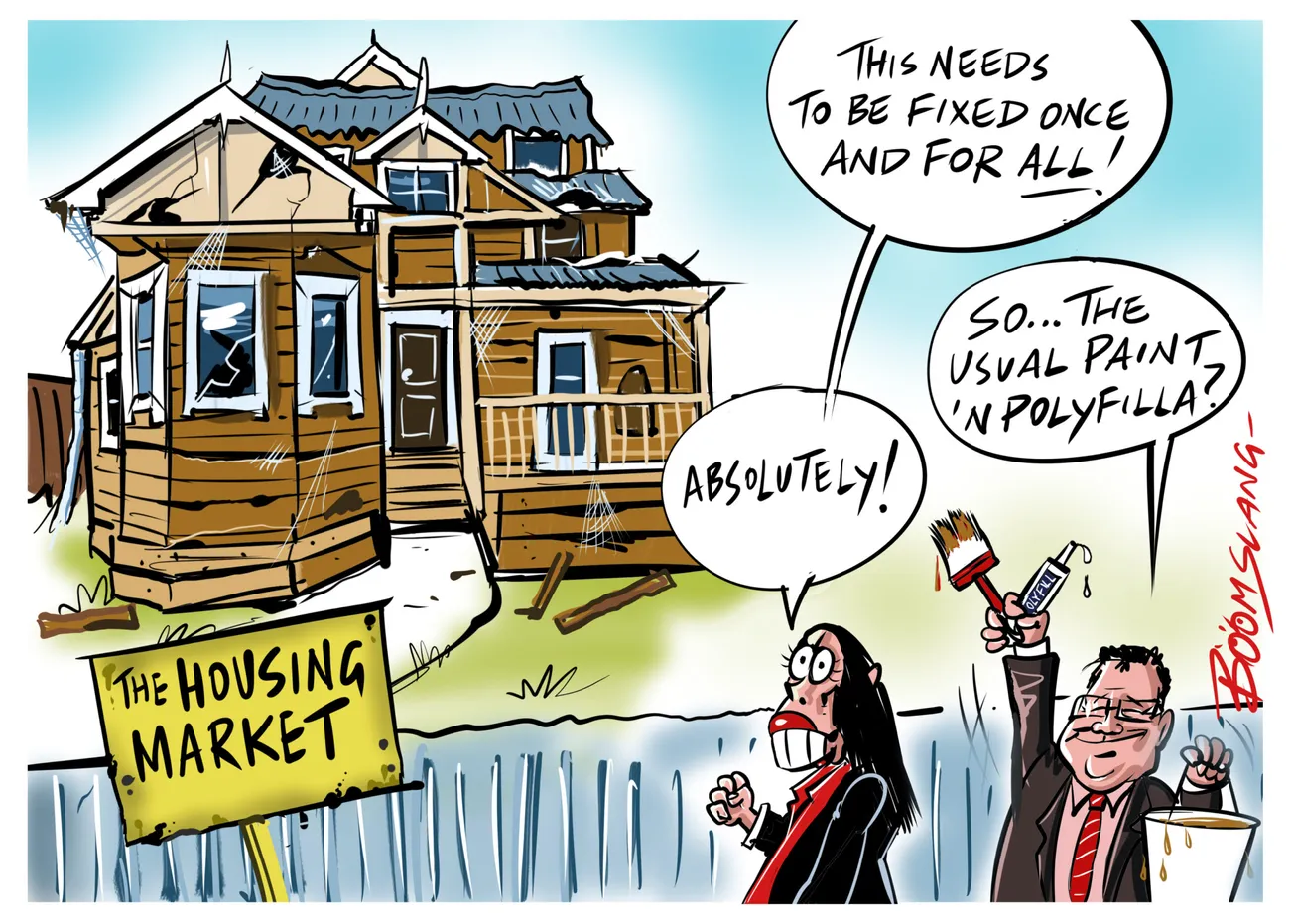
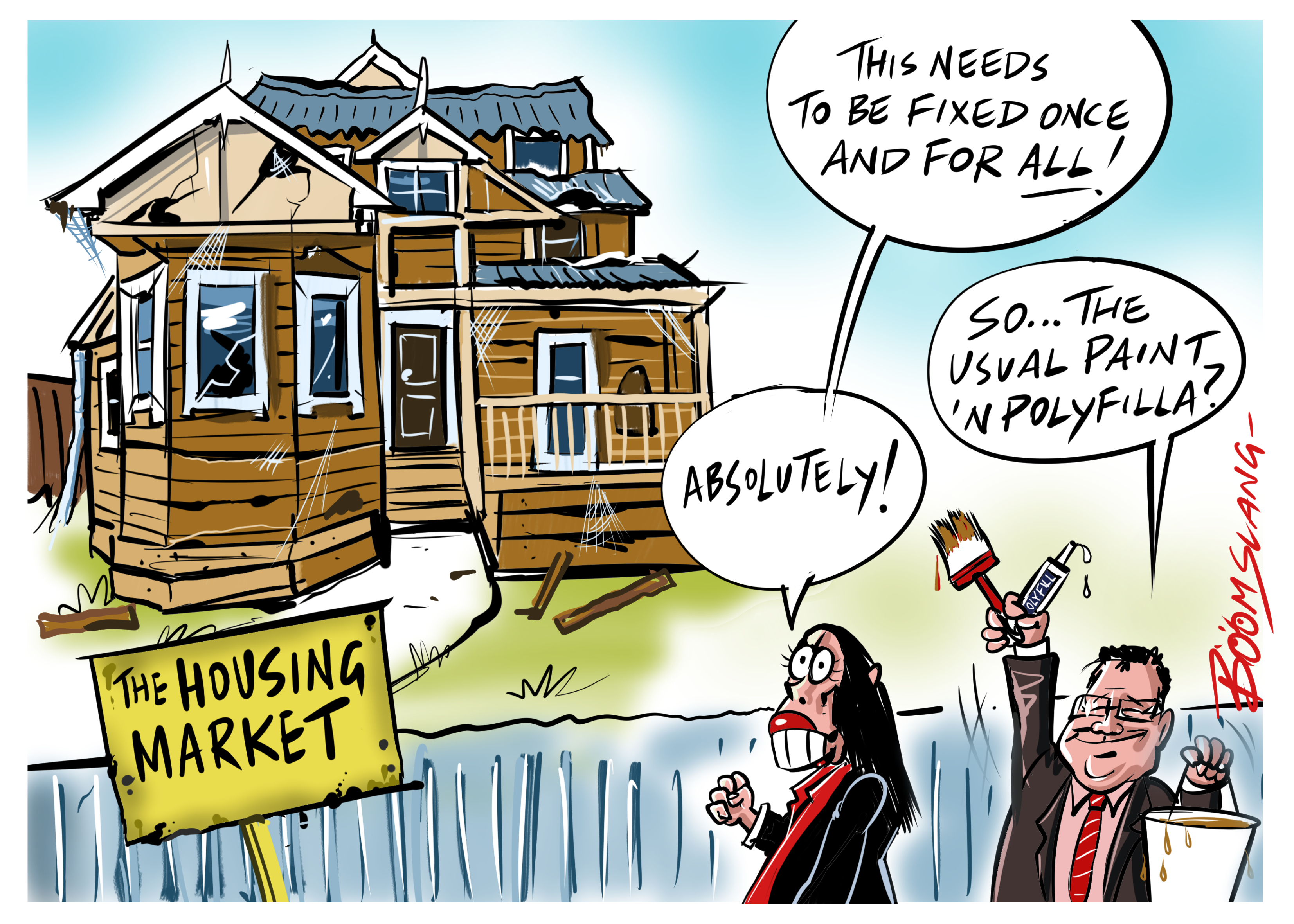
National’s proposed law change will get more houses built, faster, Housing spokesperson Nicola Willis says.
The Housing Emergency Response (Urgent Measures) Bill, proposed by National Leader Judith Collins, will do this by requiring every major city and town to immediately remove restrictions locking-up land and stalling intensification, while also giving councils the cash-injections they need to deliver a much-needed surge in new house building.
“New Zealand is facing a dire shortage of housing and yet the law continues to make it very hard for anyone to build new houses at scale and pace,” Ms Willis says.
“Across our country a toxic mix of land use restrictions and consenting requirements severely limit the new land available for housing, and how intensively existing residential zones can be developed.
“The result is that developers have limited options for where they can build new houses, meaning they face extensive costs, delays and legal hurdles when they embark on a new housing development.
“This bill will remove the artificial land use constraints and endless red tape that have prevented our cities growing up and out as fast as they need.
“The emergency measures will turn the tables from a situation where housing developers have to bend over backwards to get permission to build new housing to a situation where councils are incentivised to make building houses as quick and easy as possible.”
National acknowledges that, under the current law, even if councils want to make more space available for housing they face multiple handbrakes, Ms Willis says. The RMA ties them into a knot of consultation requirements and infrastructure costs loom as a heavy burden.
“This bill gives councils permission – in fact it requires them – to say ‘yes’ to housing development and to get as much new housing built as soon as possible.
Despite Labour’s big promises prior to the 2017 election, the median house price jumped from $530,000 to $780,000 between October 2017 and February 2021, a 47 per cent increase in just over three years.
Bond lodgement data for new tenancies reveals the median weekly cost of a new rental tenancy increased from $400 to $500 over that same time period.
“We need to act fast, and there is clear evidence that freeing up land and bypassing restrictive government red tape can result in immediate house price relief,” Ms Willis says.
Housing Emergency Response (Urgent Measures) Bill by Juana Atkins on Scribd
Housing Emergency Response Bill – Q&A by Juana Atkins on Scribd
Please share this BFD article so others can discover The BFD.