In brief
- Government disinformation monitors reportedly described comparisons between US vaccine information and New Zealand guidance as being “weaponised”.
- FDA and Medsafe documents acknowledged gaps in pregnancy and breastfeeding safety data, while New Zealand officials publicly reassured women.
- An OIA disclosure raises questions about government monitoring of private Facebook groups.
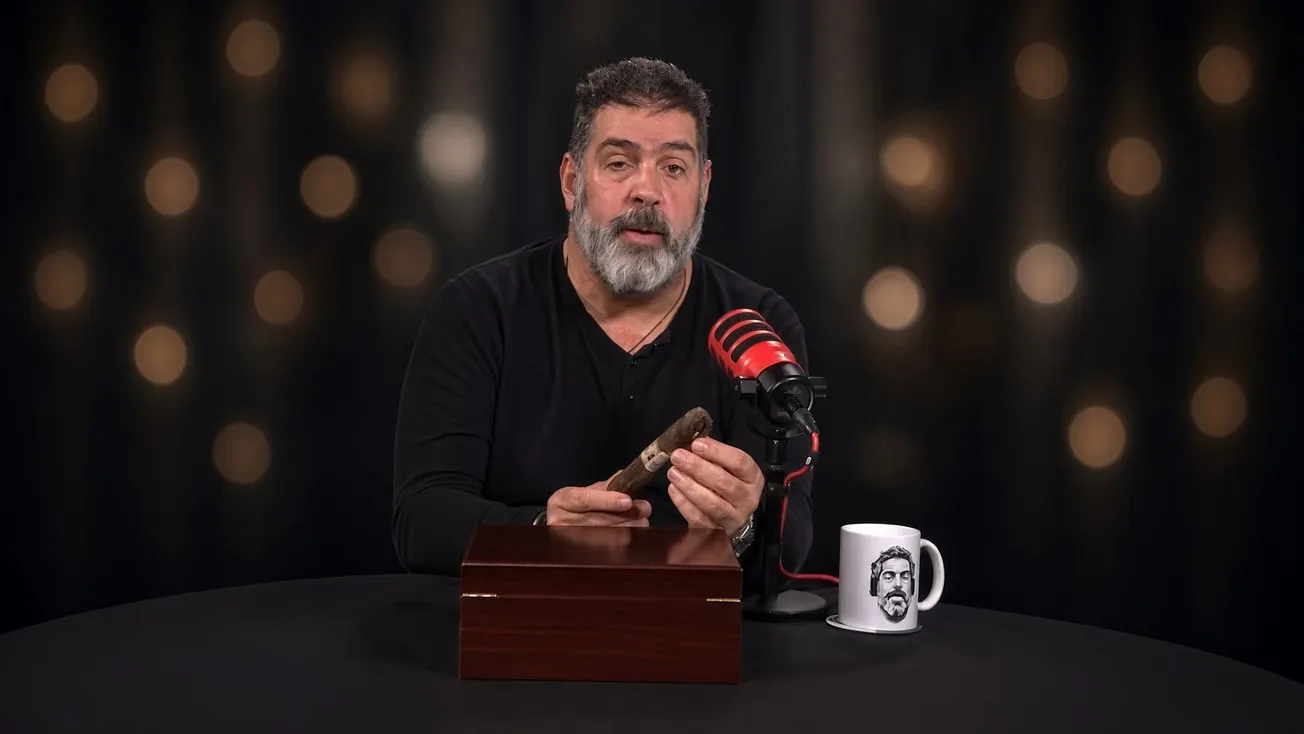
- The full correspondence remains unverified, and there is no evidence officials directed Facebook to remove Health Forum NZ.When New Zealanders shared official US vaccine information questioning what was known about safety during pregnancy and breastfeeding, government disinformation monitors reportedly called the differences with New Zealand's advice “weaponised”.The revelation comes from Health Forum NZ founder Lynda Wharton, who obtained correspondence under the Official Information Act (OIA) involving the Ministry of Health's Disinformation Assessment and Response Team (DART).In a video originally recorded in early 2025 and recently shared again, Wharton reads from an email dated late October 2021. The email, with its sender and recipient redacted, refers to officials monitoring material circulating in private Facebook groups, including Health Forum NZ, which then had approximately 37,800 members.One group member had shared what they described as a recording of Pfizer's American telephone information line, discussing the lack of safety data for vaccination during pregnancy, planned pregnancy and breastfeeding.Wharton had also posted extracts from the US Food and Drug Administration's (FDA) official prescribing information for Pfizer's Comirnaty vaccine.According to the correspondence she reads, officials observed that American medical information was being compared with guidance issued by New Zealand's Ministry of Health and Medsafe.The email reportedly stated:“The differences are being weaponized to amplify VAX hesitancy and VAX resistance, targeting vulnerable communities, including pregnant people.”The question is why officials regarded comparisons between two sets of official medical advice as a threat. What the FDA was sayingThe concerns Wharton highlighted were reflected in the FDA's own August 2021 prescribing information for Pfizer's Comirnaty vaccine.The FDA acknowledged there was insufficient data to assess certain vaccine risks during pregnancy. It also said it was unknown whether the vaccine passed into breast milk or affected breastfed infants or milk production.This was not evidence that the vaccine was unsafe, but it was an acknowledgement that important safety questions remained unanswered.By October 2021, substantial observational evidence was emerging from countries where pregnant women had already been vaccinated, and health authorities were recommending vaccination based on the benefits and risks.But scientific uncertainty is not misinformation merely because it may influence someone's decision.And New Zealand's own regulator had acknowledged similar limitations.In June 2021, Medsafe identified pregnancy and breastfeeding among the areas of missing information in Pfizer's vaccine risk-management plan. Its prescribing information also acknowledged limited experience in pregnant women.Public reassurance versus regulatory cautionAt a government COVID briefing on 15 September 2021, Director-General of Health Ashley Bloomfield told New Zealanders, “It is safe at any stage in pregnancy.”COVID Response Minister Chris Hipkins was alongside him at the briefing.Bloomfield told the public the vaccine was safe during pregnancy, while regulatory documents acknowledged gaps in the evidence. Why didn't officials simply explain the difference?Monitoring the publicIn a separate OIA response dated 8 May 2025, the Ministry confirmed DART's role in assessing misinformation and disinformation.The Ministry defended its monitoring of publicly available online material, arguing that understanding public concerns and refining health messaging were normal responsibilities. It said this activity did not constitute surveillance.But if officials were only monitoring public posts, how did information from private Facebook groups end up in their reports?How was information obtained from closed groups? What criteria determined which discussions were escalated? And what happened after a group or individual was flagged?Wharton says Facebook eventually removed Health Forum NZ after it grew to almost 60,000 members, without explanation. The full correspondence has yet to be independently verified.Re-published from the Centrist with permissionOriginal article at The Centrist
- An OIA disclosure raises questions about government monitoring of private Facebook groups.
- FDA and Medsafe documents acknowledged gaps in pregnancy and breastfeeding safety data, while New Zealand officials publicly reassured women.