Summarised by Centrist
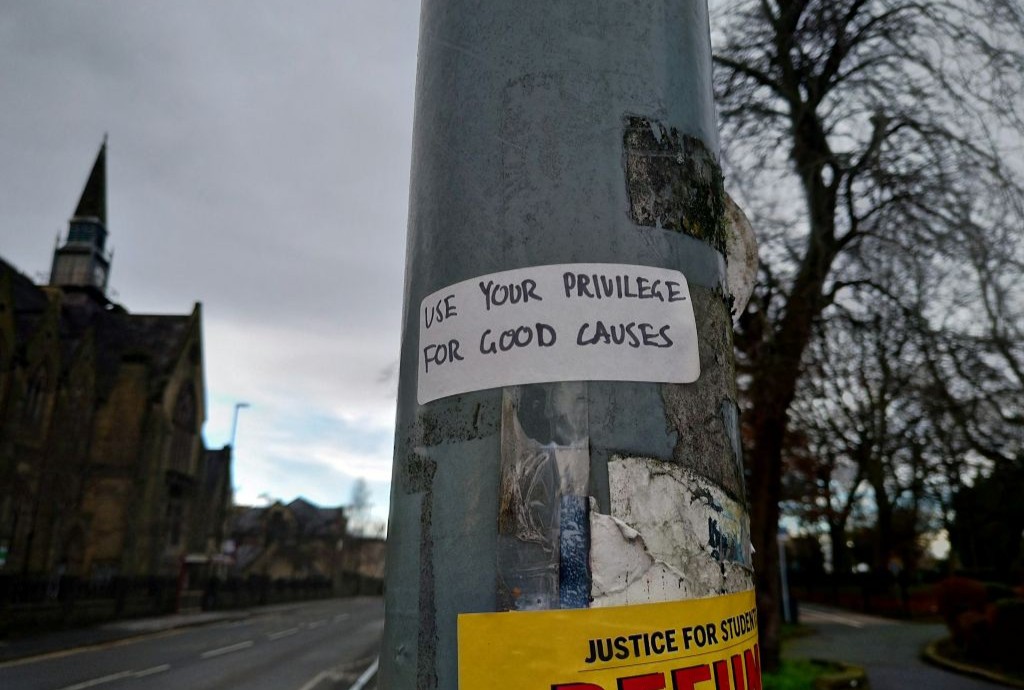
The New Zealand Initiative’s Roger Partridge says the word “privilege” has been stretched beyond its legal and historical meaning to stigmatise ordinary benefits such as growing up with two parents, owning books and eating dinner as a family.
Historically, privilege had a precise meaning. Derived from the Latin privi-legium, or “private law”, it described “a legal advantage conferred by the state on particular individuals or groups, not available to others on the same terms”.
Examples included hereditary titles, guild monopolies, racial caste systems and exclusive trading charters. These benefits were granted to one group at someone else’s expense.
“Privilege was a status conferred by law on some at the expense of others, and the work of liberalism was to abolish it,” Partridge writes.
A later, looser meaning covered inherited wealth and elite education. Even then, the response was to extend access to those advantages, rather than shame people who already possessed them.
Partridge traces the modern redefinition to Peggy McIntosh’s 1988 paper about white privilege. However, he says McIntosh distinguished between advantages that should be available to everyone and forms of dominance that should be surrendered.
“What travelled was not the paper but the word,” Partridge writes.
“The young woman whose parents stayed together has taken nothing from the young man whose did not,” he says.
Partridge argues that intact working-class families were widespread within living memory. Their increasing concentration among wealthier households should therefore be understood as a social loss, not proof they were always an elite entitlement.
“These are advantages. But they are not privileges in any sense that should produce shame,” he writes.