Dark Jester
The new hate speech legislation is up for debate with public consultation over the proposal. My concern is how this particular legislation could potentially be weaponised by the Chinese Communist Party to suppress criticism and dissent, because the ambiguity of the ‘incitement to hatred’ clauses means the definition could be subjective based on the person who is making that judgement.
The current incitement legislation in our Crimes Act 1961 only prosecutes against “false testimony”. The Human Rights Act 1993 provides protections against racial harassment which is defined as “expressing hostility, contempt or ridicule” and “words that are threatening, abusive or insulting”. The ambiguity of it means that the definition can be subjected and is open to interpretation.
Kris Faafoi has assured the public that the justice system will define the language. I am concerned that there could be a precedent set which China or the CCP could use to suppress criticism by deeming it “insulting language” or “expressing hostility, contempt or ridicule”.
The fact that they want to add it to the Crimes Act, which will criminalise such language, makes it more dangerous because it could lead to harsher sentences for merely expressing an opinion.
It has been noted in research about Chinese interference in New Zealand and other countries, that China has also employed strategies to stop opposition. One such is to identify criticism as “anti-China”, “demonising China”, “China threat”, “xenophobia” or “racial prejudice”. Therefore it will be possible for China to argue that such “anti-China” language from opponents be defined as “inciting hatred” or “expressing hostility, contempt or ridicule”.
If they knew our justice system, they could then charge someone for this, setting precedent upon which they could prosecute any criticism of the CCP for “contempt or ridicule”. The fact that it will be made a crime means that opponents of China can be charged for “incitement”.
If you think this won’t happen just look at the ‘crimes’ that Chinese dissidents who have successfully defected are wanted for.
Dissidents are wanted for “incitement to subversion” which is the most common charge. Another common charge is “disturbing public order”. “Incitement to subversion” is defined as “anyone using rumour, slander or other means to incite subversion of the political power of the State” which has been subjective but has been used to great effect in order to prosecute people for as little as jokes or sarcastic posts on the Internet.
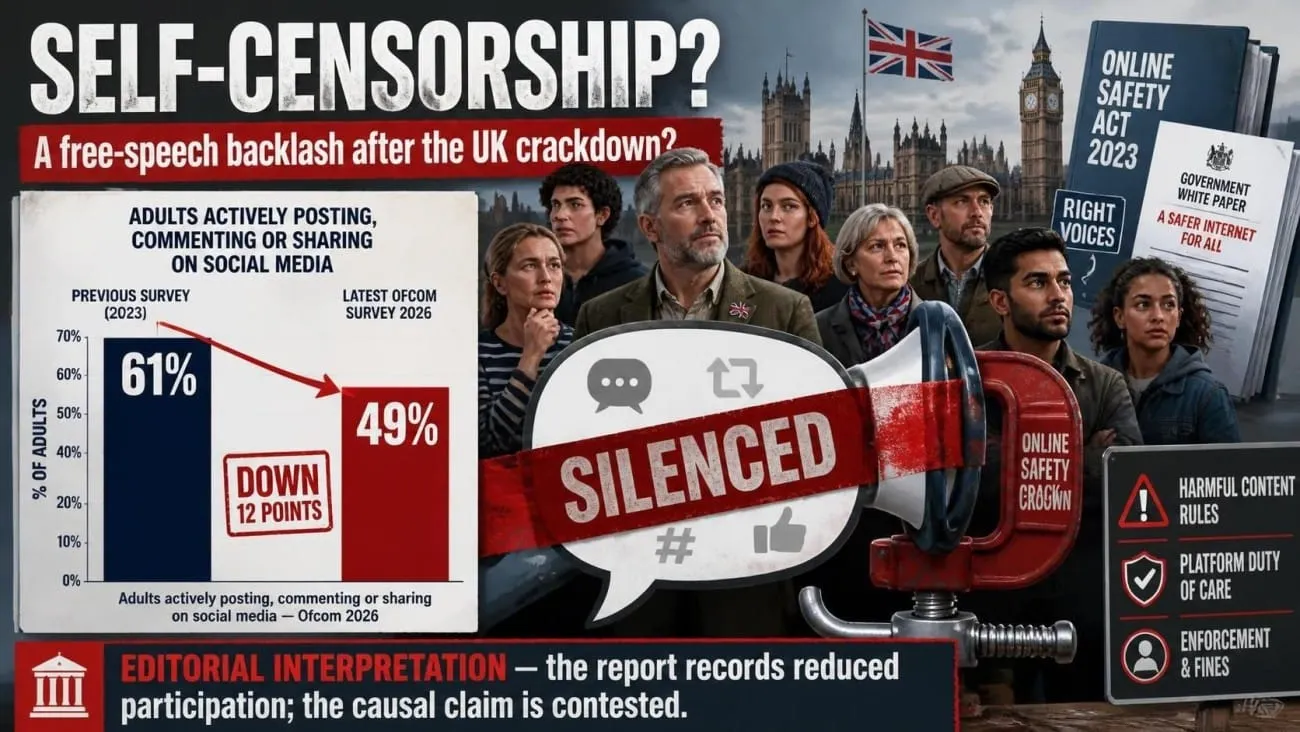
Imagine this happening in New Zealand. Imagine being told that you can no longer criticise China for its heinous human rights abuses because it’s considered hate speech. That is something that has happened in Hong Kong with the passing of the national security law. This led to the people taking down social media posts that could possibly be considered ‘anti-China’ by the CCP.
We have a significant Chinese community in New Zealand. I would suggest that a proportion of those people came to New Zealand to find freedom. What will we tell them when that freedom in New Zealand is eroded?
Please share so others can discover The BFD.