
Censorship
How To Destroy a Western Nation
From making the population stupid to replacing the natives and then acting surprised when it explodes in your face.
The Tide Is Finally Turning
Robert Nola, Michael Corballis and John Werry – have died since the letter was published. But the stand they took alongside their fellow professors Kendall Clements, Dame Elizabeth Rata, Douglas Elliffe and Garth Cooper continues to reverberate in public debate and government policy.
We Should Read Between the Lines
Smuggling in a regime of pre-emptive speech control. The right response is therefore the simplest one. Support the deepfake amendment for exactly what it is – a narrow, sound, self-contained closing of a gap in the law – and refuse, flatly, to let the commission’s wider regime ride in on its back.
Boards Should Be Neutral
The NZPB is not alone. The Real Estate Authority, the Teaching Council and the Nursing Council have all adopted provisions that threaten practitioners with consequences if they don’t toe the ideological line.
Camp Freedom Is Revisited
River of Freedom and now Heart of the Protest at least introduce a semblance of balance into what was previously an overwhelmingly one-sided narrative.
NZCCP Sets a Precedent of Censorship
When a professional body removes a peer-reviewed article because it conflicts with organisational values, the issue is no longer a single publication, but the future of open inquiry, editorial independence, and professional disagreement.
I’m Making Changes to the Way That I Communicate With You
What happened to Yifat is a warning. I’m not backing away from the work, but I am going to be much more deliberate about protecting the connection that I have with those who want to keep reading it.
There’s Nothing Neutral About This
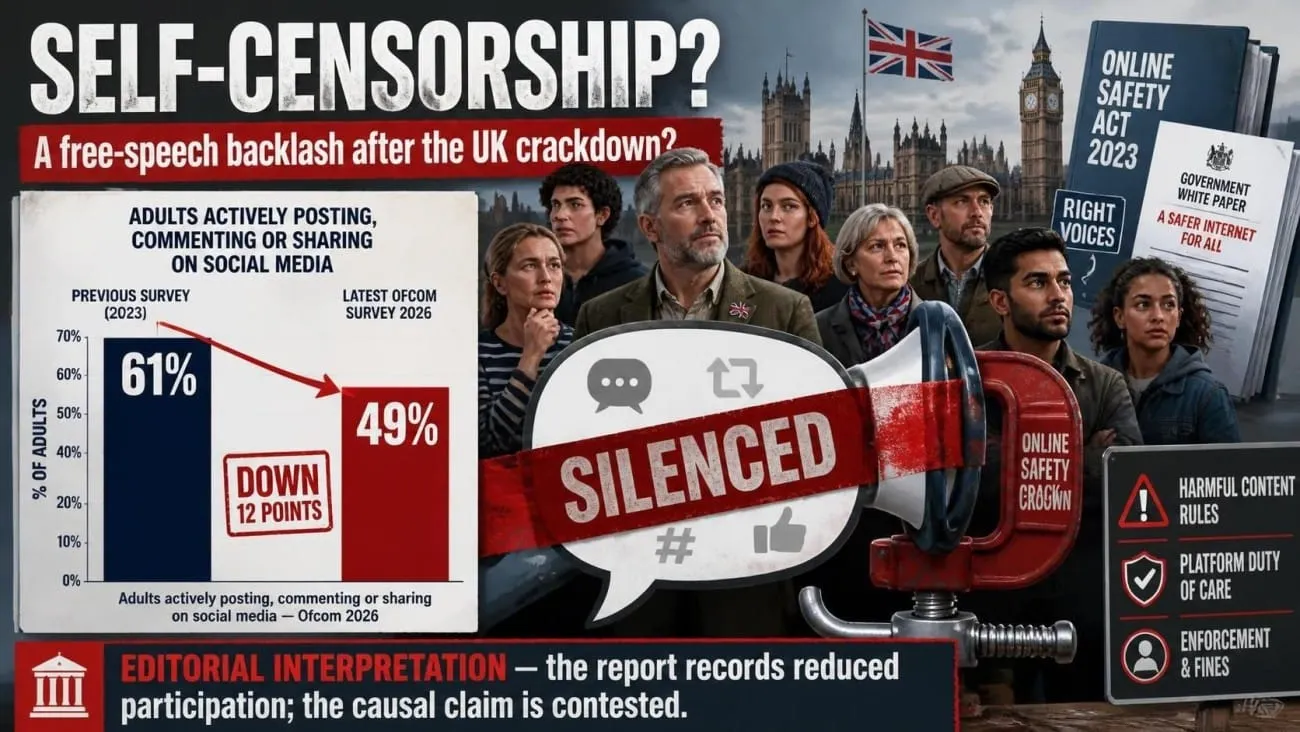
The UK government’s social media ban consultation. Participation in the consultation may still matter, if only to register dissent within a process that is already narrowing its own field of view.
Stanford and the Digital ID Backlash
Riley claimed the policy followed what he called a “Commonwealth speech crackdown playbook”, arguing governments often introduce online controls under the justification of “protecting children” before later broadening enforcement powers.
The Creation of an Online State Regulator
History demonstrates that broad censorial powers rarely remain narrowly confined.
The Justice Department Indicts the Ministry of Love
To avoid ending up on the Hate List, people watch their words, meaning they watch their thoughts. If we accept the premise that we want to stamp out hate, we acquiesce in this erosion of our freedom of thought, which is ultimately an erosion of our very humanity.
The Scarf, the Activist & the Media
A critical analysis: why NZ Herald’s keffiyeh story on Davien Gray is NOT what it seems.