Mark Cameron
ACT Primary Production spokesperson
The Government needs to answer how it’s going to meet its pledge to cut biogenic methane emissions.
The Government has pledged to cut biogenic methane by 10 per cent on 2017 levels by 2030, and by between 24 to 47 per cent lower by 2050.
According to James Shaw this does not require any new initiatives due to pre-existing Zero Carbon Act commitments, but there are still a range of questions to be asked.
How are they planning to do this? Is it herd reductions or is it through new technologies? When will the Government bring farmers into this conversation? It’s their livelihoods at stake.
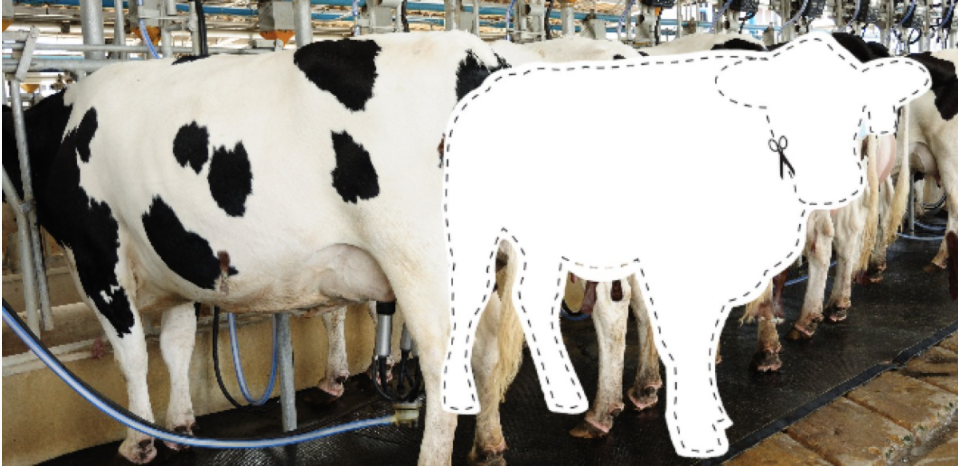
Joining a broad methane target is counterproductive if it ends up harming New Zealand livelihoods because we already have the most carbon friendly dairy sector on the planet.
I asked the Minister for Climate Change last week in Parliament whether he would be going to COP 26 and advocating for a split gas approach to better reflect New Zealand’s situation – he said it wasn’t on the agenda.
Unfortunately, James Shaw is more concerned about jetting off to Europe and virtue signalling than he is working with farmers.
ACT proposes a realistic, no-nonsense climate change policy that matches our efforts with our trading partners’ with minimal bureaucracy. We should set a cap on total emissions in line with the actual reductions of our trading partners, then allow New Zealanders to import high quality foreign carbon credits so we pay the world price, not an artificial price.
The realistic outcome of this mad plan is that people will eat less New Zealand dairy, beef, and lamb, instead supporting farmers offshore who are less efficient.
ACT’s policy would actually achieve better emission reductions without endless ineffective bureaucracy such as the Feebate scheme.”