Table of Contents
Peter MacDonald
“We are one international crisis away from supermarkets running dry.” That’s the stark warning from Resources Minister Shane Jones, as he takes a blowtorch to what he calls the “energy vandalism” of the last six years.
Most Kiwis don’t realise that only 20 per cent of our total energy use comes from electricity and natural gas. The rest – a massive 80 per cent – is diesel, petrol, aviation fuel, coal and LPG. It’s what powers farms, trucks, ships, planes and freight. Yet under the Labour-Green Government, New Zealand watched the destruction of its energy backbone in the name of climate ideology.
In 2022, the Marsden Point Refinery was shut down under the leadership of Energy Minister Megan Woods. Marsden was New Zealand’s only oil refining facility; a key pillar of national security. Jones calls it “an act of national vandalism”, noting that rebuilding the facility today would cost tens of billions of dollars. Without it, New Zealand is completely dependent on refined fuel imports. If war, shipping disruption or cyberattacks hit global supply chains, Jones warns, our fuel tanks would run dry in weeks and supermarket shelves empty not long after.
At the same time, Ardern’s Government banned the use of New Zealand’s own high-grade coal, including Ōhai coal, considered among the best in the world. Instead, we now import low-grade Indonesian coal by the megaton to keep the lights on.
Jones points out a bitter irony: Huntly Power Station, owned by Genesis Energy, relies heavily on this dirty imported Indonesian coal to meet peak energy demand or when hydro lakes run low. Huntly is a pivotal part of New Zealand’s energy grid and without it the lights would go out. But this imported coal causes higher maintenance costs due to its poor quality and damaging impact on the furnace. Meanwhile, New Zealand’s own Ōhai coal burns cleaner and causes far less damage to the equipment, yet it remains banned from electricity production.
Jones calls this insanity:
We import dirty coal from overseas while banning the cleanest coal we have under our own feet. It’s the politics of self-destruction.
Jones paints a vivid picture of New Zealand’s energy future under the current green policies: “You can use all the sun of the Sahara Desert and all the wind in parliament and it still won’t keep New Zealand’s lights on.” He urges Kiwis to “wake up and smell the green”, pushing back against what he calls the “unicorn-loving nursery rhyme Greens” steering the country toward becoming a “banana republic”, where the only way to keep the lights on would be with candles and hand-cranked dynamos.
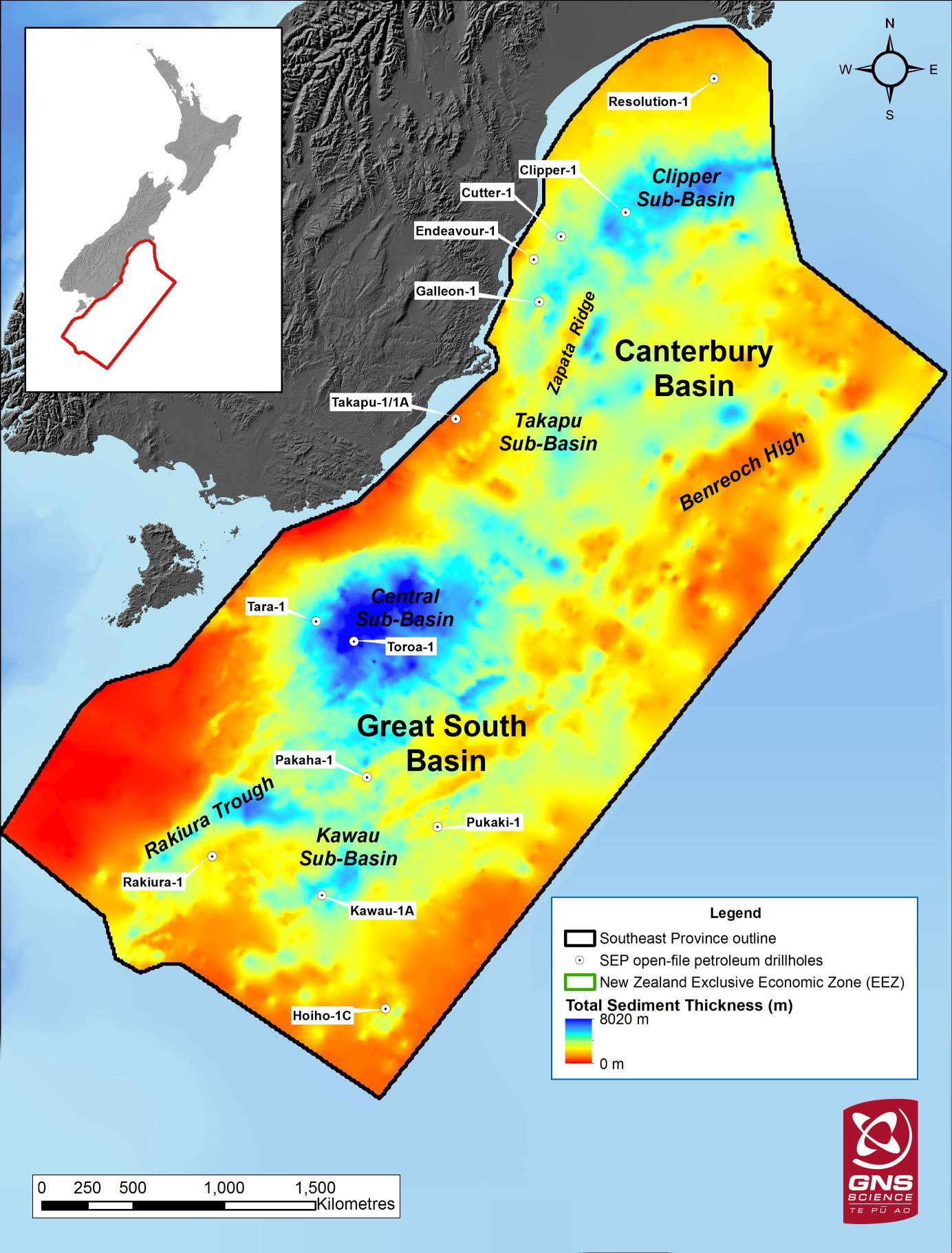
This isn’t the first time New Zealand stood at this energy crossroads. In the 1970s, Prime Minister Robert Muldoon faced a similar crisis. In response to the global oil shock, he invited independent Texan oilmen – the famous Hunt Brothers, Nelson and Lamar – to explore offshore reserves. Muldoon struck a visionary deal, New Zealand would get a 10 per cent royalty on any future oil extracted, and NZ oil workers would be employed. They discovered a vast oil field in the Great South Basin, but the technology to drill that deep didn’t yet exist. The well was capped, and the basin remained untouched, a sleeping giant beneath the Southern Ocean. Now, the technology has caught up and with modern deep-sea drilling tech and the will to act, the oil is still there, waiting for a government bold enough to tap it. Modern rigs can drill at depths of up to 3,600 meters (12,000 feet), with remotely operated underwater vehicles (ROVs) and subsea systems for production.
Shane Jones says it’s time to finish what Muldoon started. With gas reserves in decline, electricity failing to cover base demand and industries hamstrung by rising energy costs, the country cannot afford to keep pretending we’re a solar-powered island paradise. “You can’t fly a plane or drive a tractor with a windmill,” he says.
His plan is clear: repeal the offshore oil and gas ban, unlock New Zealand’s untapped reserves, bring back refining capacity and use our own coal and gas to restore energy sovereignty. He also intends to mandate employment of NZ workers wherever possible and restore regional industries that have been hollowed out by green policy experiments.
“This is about sovereignty, survival and common sense,” says Jones. “We’ve been fed the fantasy of a fully electrified New Zealand, but the truth is that no modern nation can function without hydrocarbons. That’s reality. And it’s time we got real.”
New Zealand has the resources, the workforce, and the engineering talent. What it has lacked is leadership willing to cut through the ideological fog. Now, that leadership has arrived.
As Shane Jones puts it simply and boldly: “Drill, baby, drill!”
The oil is still there and it belongs to New Zealanders.