Beggars, as they say, can’t be choosers. Third world welfare moochers, on the other hand, apparently feel very entitled to be choosy.
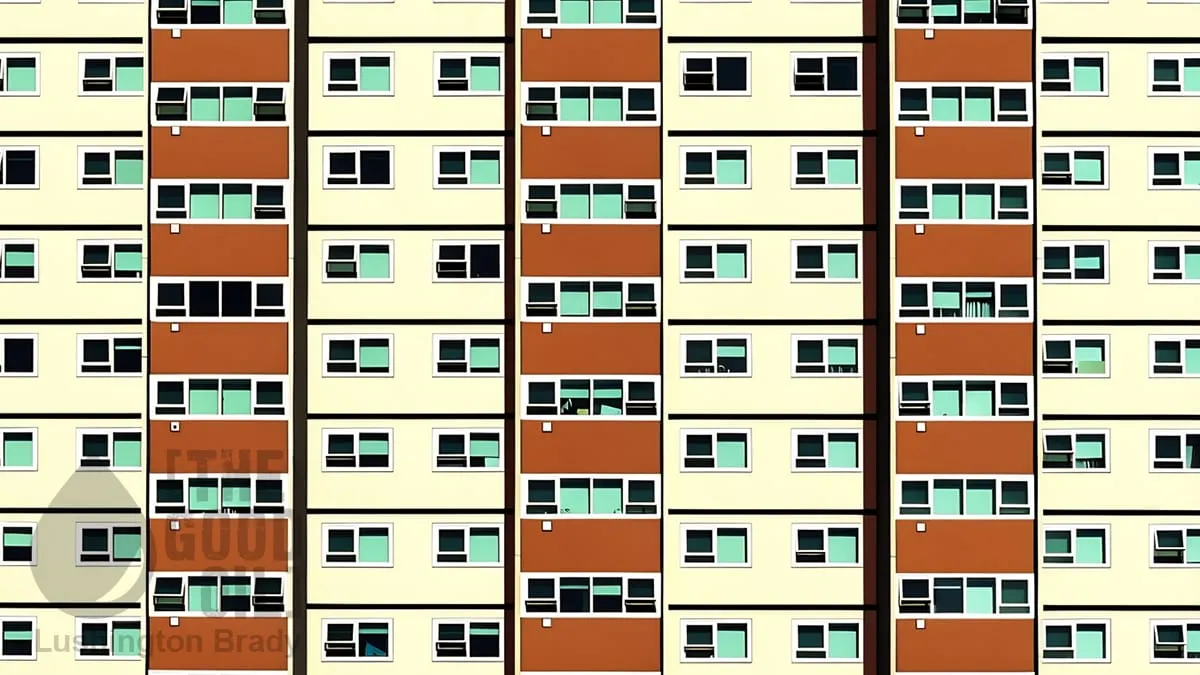
A video of African refugees in a Victorian public housing tower objecting to relocation has gone viral for all the wrong reasons. They have lived in the same government-funded building for more than two decades. Now the state wants to redevelop the ageing tower and move them into newer accommodation as part of a plan to increase overall housing supply. Their response, facilitated by a Greens MP, was to complain about losing their ‘community’ and demand to stay put.
For many Australians watching, the reaction has been one of pure disbelief. Public housing is in critically short supply. Waiting lists stretch for years. Rents are crushing ordinary families. Yet here is a group that has spent 20 years living at taxpayer expense now acting as though they have a veto over redevelopment of property that was never theirs to begin with.
Many long-term residents have spent years building support networks within the buildings and surrounding neighbourhoods.
Some fear those connections may be disrupted if families are moved to different areas during redevelopment […]
Several residents spoke about the importance of remaining close to schools, community organisations, family members and local services.
Spare us the sob story. These people are essentially squatting in a taxpayer-funded service that is in desperately short supply. The buildings are old, maintenance is a nightmare and the state has decided to replace them with more units overall. That is supposed to be a good thing. Instead we get protests.
If these residents have spent 20 years living off the taxpayer in public housing, how exactly have they contributed meaningfully to the Australian economy? That is, after all, the standard justification endlessly trotted out for mass immigration. We are told these people will work hard, pay taxes and build the nation. Two decades on the public housing list suggests the contribution has been one-way traffic.
This is not their property. It belongs to the Australian taxpayers who funded it. The government has every right to redevelop it to house more people. The idea that long-term welfare recipients get to dictate terms, especially when they arrived as refugees and have relied on the system ever since, is an inversion of basic fairness.
The Greens MP’s involvement only adds to the farce. Progressive politicians love to pose as champions of ‘vulnerable communities’ while ignoring the broader crisis their own policies have helped create. Mass immigration has poured fuel on the housing fire. Public housing stock has not kept pace. Now the same political class that opened the borders acts surprised when the results become politically inconvenient.
The online backlash has been fierce because ordinary Australians are fed up. They see years of waiting lists, young families priced out of the market, and now refugees who have lived on public support for 20 years complaining that newer housing is not good enough. The sense of entitlement is staggering.
Redevelopment will almost certainly go ahead. The real damage is the precedent and the message it sends. When taxpayers fund housing as a temporary safety net, it should not become a permanent claim on prime real estate with veto rights attached. Beggars cannot be choosers, least of all when they have been choosing at everyone else’s expense for two decades straight.
The broader lesson is simple. Australia’s housing crisis is not just about supply. It is about priorities. Taxpayer resources are finite. They should serve citizens first, not become an open-ended entitlement for anyone who arrives and settles in for the long haul. The video from that Victorian tower is a perfect snapshot of how far that principle has been abandoned.