

The Green Party is promising a radical overhaul of the New Zealand tax system, raising $88.2 billion in new revenue and taking the size of the state to over $200b a year.
The party also promises significant borrowings for investment not funded by taxation. The borrowings would take net core Crown debt to 53.8% of GDP by the end of the decade. In 2019, Treasury said debt-levels below 50-60% of GDP were prudent for New Zealand and warned that higher debt would make it more challenging to borrow during economic shocks like earthquakes.
The party announced its alternative budget this morning, which was an altered version of its 2023 tax plan – the main differences being this one included two new taxes: an inheritance tax and a tax on private jets.
The plan would reinstate two property taxes: the 10-year bright-line test and banning interest deductions for residential property, which are currently being phased out.
Companies tax would be raised from 28% to 33%, making it one of the highest in the developed world, higher than Australia, the United Kingdom, and the United States.
Income tax would be raised for some, with the 39% threshold kicking in at income over $120,000 and a 45% rate applied to income over $180,000.
However, a tax-free threshold would be introduced at $10,000, increasing the after-tax incomes of people earning less than $115,000 – the vast bulk of people, although setting the tax rate that low would begin to capture some professions the Greens are trying to target.
Thanks to a 2023 pay equity settlement, senior nurses had their pay lifted to between $105,704 and $153,060, meaning many would pay higher rates of income tax under this plan.
Mining royalties will be doubled and private jet arrivals and departures to New Zealand will be taxed at a rate of $5,000.
The big income raiser in the plan is the wealth tax, which would raise $72.4b over the four years.
The wealth tax would be a 2.5% tax on net assets, such as property and shares, over an individual threshold of $2m (or $4m for couples).
The net asset carveout means that someone with a multi-million dollar home with a large mortgage might not be taxed. If someone owns $2.5m in assets, but owes $1m on their mortgage, their net wealth would be $1.5million and falls short of the threshold.
The inheritance tax component of the plan would mean inheritance or gifts would be taxed at 33%, but the tax would only kick in once a lifetime threshold of $1 million had been reached.
NZ Herald
Loonies of the Day
The big income raiser in the plan is the wealth tax, which would raise $72.4b over the four years.

Related
Face of the Day
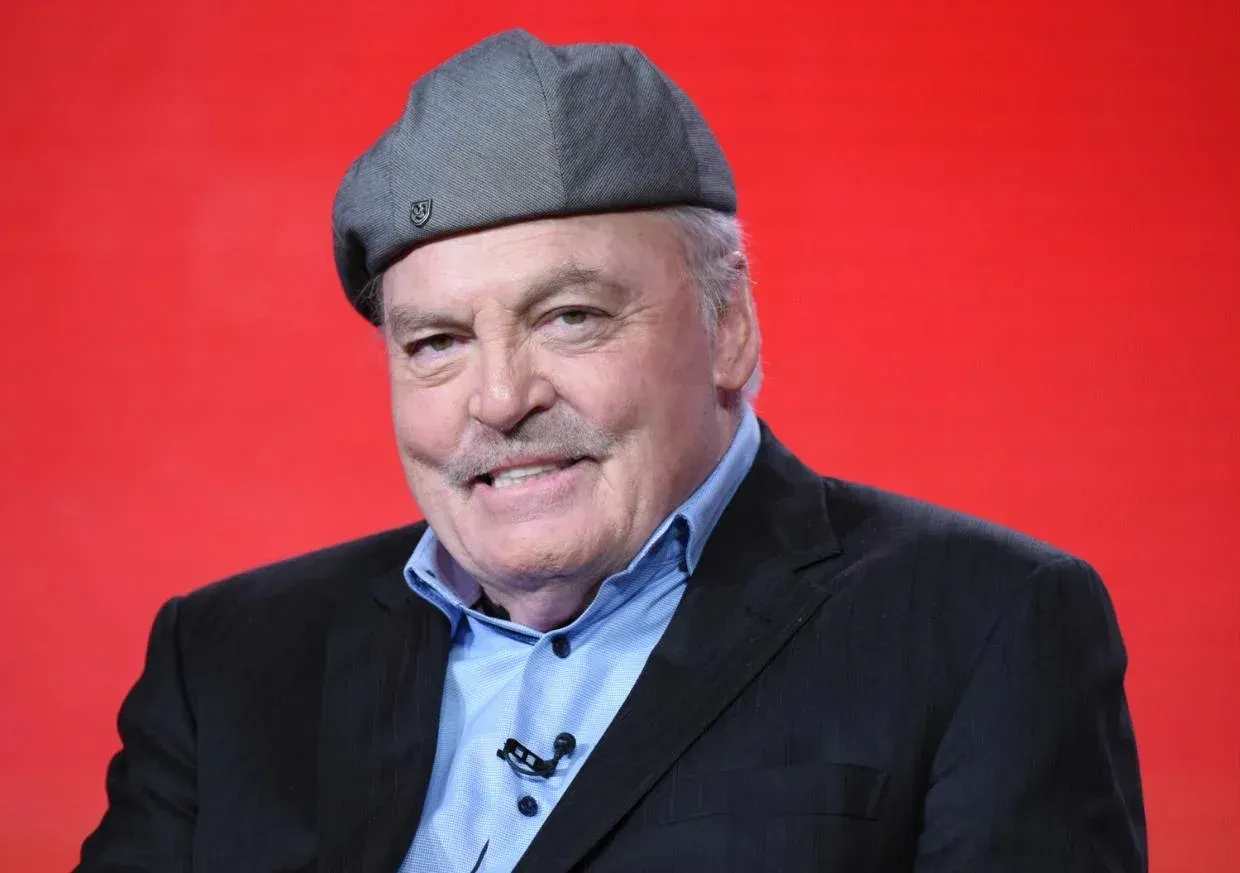
Stacy Keach was indelibly linked with his take on the hard-boiled Hammer, the fictitious TV private detective created by crime novelist Mickey Spillane.

Face of the Day
Dai Henwood died holding the hands of his family in Auckland Hospital on Tuesday morning.

Face of the Day
The billionaire founder of tech companies Adaytum and Anaplan has been vocal about New Zealand’s poor economic performance in the past decade and says the country needs stability and a long-term plan.

Face of the Day
“There was over a 20 per cent swing. So that’s huge. It is the only thing that has saved the centre-right in this country” – Mowbray
Latest

Is Bottom Trawling Worth Another Election?
I have never seen a poll where bottom trawling ranks among New Zealanders’ concerns. According to Fisheries New Zealand, just 1.7 per cent of our territorial sea and exclusive economic zone was bottom trawled in the last fishing year.

Nothing to See Here, Just Collateral Damage
I don’t usually cover NZ stories, let alone crime stories, but this one sticks because I often drive pass this particular bus stop and I can guarantee you that Kyle has not been forgotten. Yet...

Islam Claims One More Australian Life
She survived the Holocaust – she couldn’t escape Islamic antisemitism.
