Summarised by Centrist
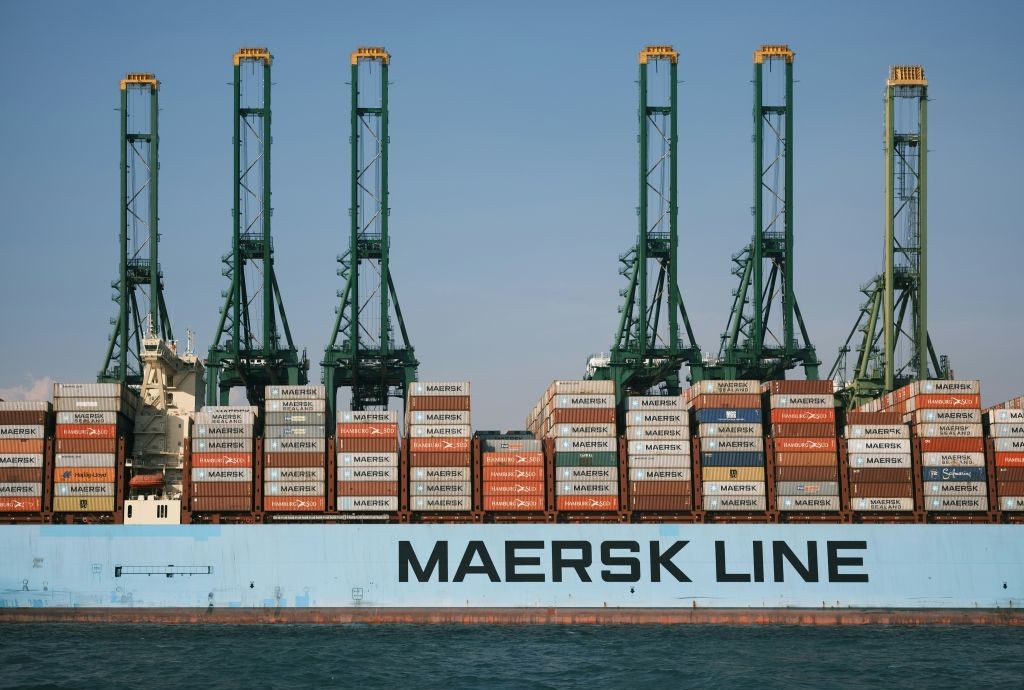
Global shipping giant AP Moller-Maersk has raised some freight charges by 27% as the Iran war drives up fuel and transport costs.
Maersk said about 20% of global fuel passes through the Strait of Hormuz, creating an “unprecedented cost environment” for landside and intermodal operations.
Intermodal transport covers the movement of containers across more than one mode, including sea, rail and road.
The company said it would introduce temporary, cost-reflective energy and fuel adjustments to maintain service, protect cargo and secure enough transport capacity across its network.
“Given the volatility of the current energy market, further adjustments may be required as conditions evolve,” Maersk said.
Customs Brokers and Freight Forwarders Federation chief executive Sherelle Kennelly said supply chain costs ultimately flow through to consumers.
“All charges in the supply chain do get passed on to the end user,” she said, pointing to likely pressure on fuel prices, groceries and other goods.
Westpac chief economist Kelly Eckhold said central banks were starting to sound the alarm as the war dragged on, and warned oil prices were still likely to rise.
He said New Zealand was especially exposed because it sits at the end of global supply chains and lacks the economies of scale enjoyed by larger countries.
Associate Transport Minister James Meager said the government could not control global oil markets or international conflicts, but was trying to minimise the impact on households.