Table of Contents
Chris Lynch
Chris Lynch is a journalist, videographer and content producer, broadcasting from his independent news and production company in Christchurch, New Zealand.
The government has quietly approved a significant increase in the fees paid to board members of Crown entities, with some roles seeing rises of up to 80 per cent.
The changes, detailed in a Cabinet Office Circular, increase the maximum fee for some governance board chairs to more than $160,000 per year.
It applies to a wide range of Crown-affiliated bodies, including statutory authorities, advisory boards, inquiries, and governance entities.
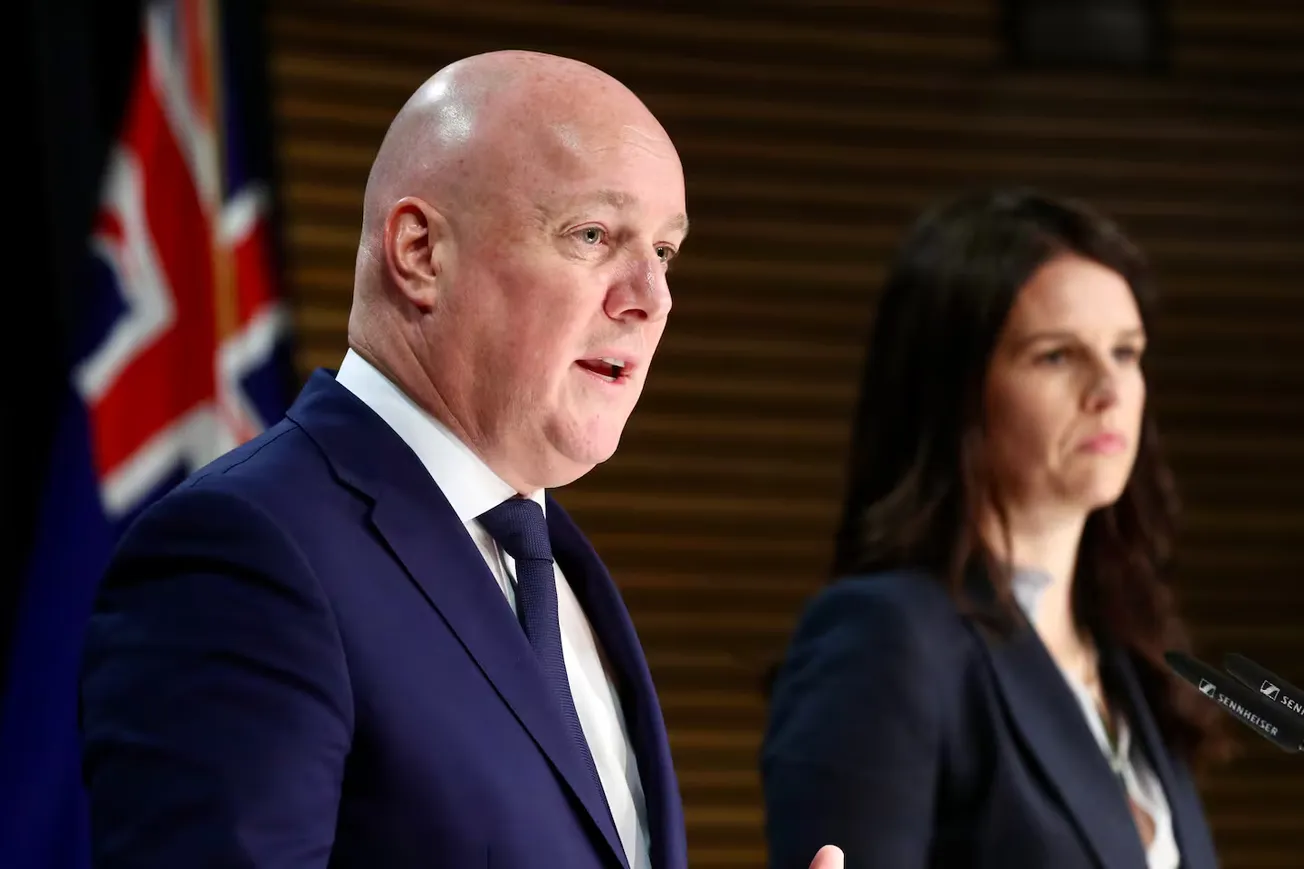
At a press conference, Prime Minister Christopher Luxon defended the move, saying public sector director fees had fallen far behind what is offered in the private sector.
“Historically, what’s happened is that public sector director fees have got completely out of whack compared to private sector fees,” Luxon said.
“Obviously, we will never pay as much as someone in the private sector, but when you’re spending $32 billion on health care, for example, it’s important that we actually are able to attract really good governors, say, for the Health New Zealand board.”
The new framework raises fee bands by:
- 80 per cent for Group 3 bodies, which include governance boards such as Crown entities, autonomous Crown entities (ACEs), and tertiary education institutions.
- 30 per cent for Group 2 bodies, which include statutory tribunals and authorities that resolve disputes or exercise specialist jurisdiction under legislation.
- 30 per cent for Group 4 bodies, which cover advisory committees and other miscellaneous public sector bodies that do not fit into the other groups.
Audit and risk committees across government departments will also see a 30 per cent increase in allowable fees.
Luxon said the changes were essential to ensure oversight of large-scale public investment was handled by qualified individuals.
“This is just acknowledging that we need to make sure we can attract good people. It’s really important, given the huge amounts of money being spent, that it’s well governed and well maintained. We need to do better than we have been doing.”
Asked how these pay rises would be received by New Zealanders struggling with the cost of living, Luxon pointed to the government’s broader economic plan.
Our message is pretty clear, we are ruthlessly focused on lowering the cost of living. We’re making practical moves, like the removal of surcharges, investing in infrastructure, launching a new medical school, and unlocking growth in the economy.
The revised fees framework replaces the 2022 version and applies to Crown entities outside the jurisdiction of the Remuneration Authority.
The document outlines classifications and pay ranges, depending on the role and responsibilities of the board or committee.
This article was originally published by Chris Lynch Media.