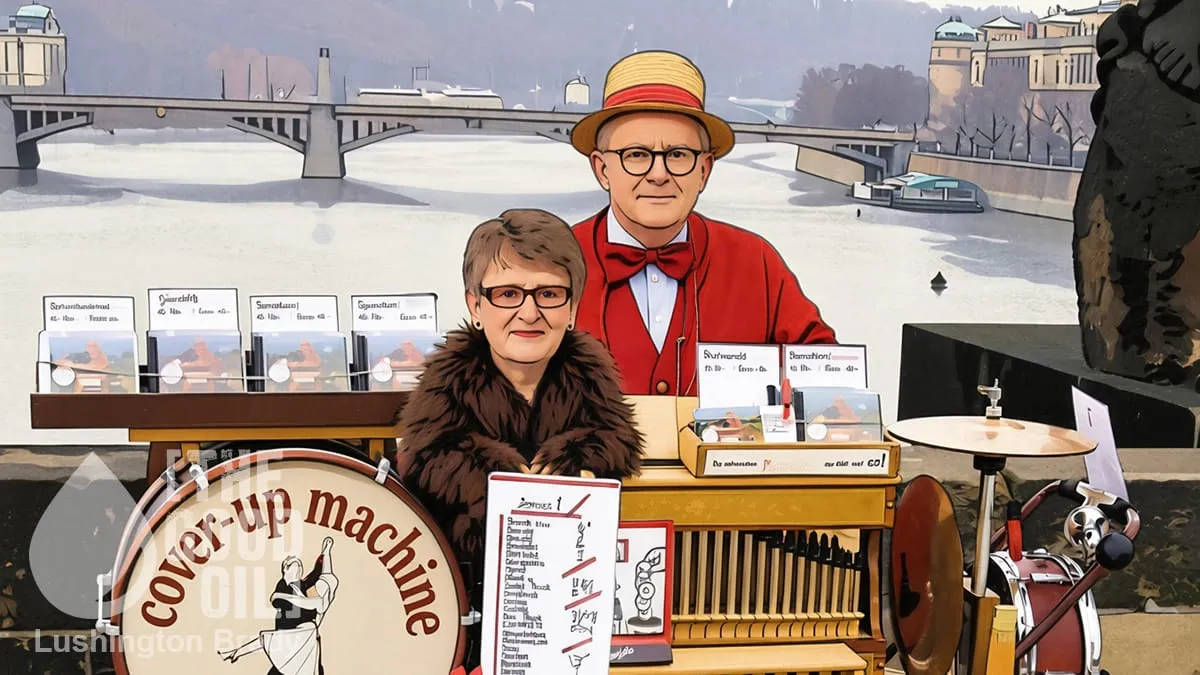
A monkey can only dance to the tune the organ-grinder plays for it. Australian PM Anthony Albanese, dragged kicking and scheming into calling a royal commission he never wanted, made sure that his monkey could only shuffle and drag its chain within the strict boundaries of the tune he played behind the scenes.
Most especially, he made damn sure the monkey never turned around to point the finger at him and his band of cronies.
Sir Humphrey would have approved. As the old Yes, Minister rule puts it: never look into anything you don’t have to and never start an enquiry unless you know what its findings will be. Virginia Bell’s Antisemitism and Social Cohesion Royal Commission has observed that rule with Soviet discipline. With the final report due in five weeks, the commissioner has kept studiously silent on why not a single government minister was called to give evidence on the Bondi massacre or the antisemitism that preceded it.
Home Affairs Minister Tony Burke, of course, insists the government stood ready and willing.
“If at any point the royal commission wanted any evidence to be given by any minister, it would have been provided and provided immediately.”
How very convenient. But ‘Tony Burka’, whose electorate is the most Muslim-dominated in the country, conveniently leaves out that individuals can voluntarily apply to testify to an RC and written voluntary submissions are routine and widely accepted. There was nothing stopping a single minister or MP in the Albanese government from offering their clearly relevant testimony to the royal commission.
Still hiding behind selective technicalities, he claimed nothing in Labor’s carefully drafted terms of reference prevented ministers from appearing, which is only half of the truth: the terms of reference specifically included an invitation to identify “any opportunities to enhance the responses of governments” and “any gaps” in the legal and regulatory framework.
This then begs a very obvious question: Why didn’t they?
Home Affairs secretary Stephanie Foster and ASIO’s Mike Burgess did appear. AFP and NSW Police commissioners Krissy Barrett and Mal Lanyon did not. Teams of bureaucrats were stood up inside Home Affairs to manage the blowback. Former spy chief Dennis Richardson resigned as special adviser amid fears the commission would scapegoat the agencies. Freedom of Information requests for material prepared by Burke and the department have been delayed past deadline. An earlier FOI showed Albanese made no official representation at all, not even preparatory notes in case he was called. The prime minister pledged non-interference, resisted giving evidence and refused to extend the deadline when stakeholders complained it was too short.
The commission itself, asked whether it ever requested ministers or believed its terms of reference made parliamentarians irrelevant, simply did not reply. A spokesman later offered the standard non-answer: the commission does not comment on its engagement with particular individuals.
Senior policing and intelligence figures have not been so shy. Former AFP chief Mick Keelty called the absence of ministers a skilful attempt to avoid scrutiny.
I think it’s pretty arrogant. They’re either avoiding something that they know that they didn’t want the commission to identify, or they’re being arrogant and continuing their disregard for the royal commission and their dislike for the royal commission.
If frontbenchers could not ‘value add’ to an inquiry into Australia’s deadliest terrorist attack, Keelty said, something is drastically wrong. Labor initially refused to hold a royal commission at all. Only a growing chorus from business, sport, policing and intelligence forced the reverse. Burke’s attitude, Keelty noted, has not changed. As the minister responsible, he should have been one of the first witnesses.
Senior Jewish figures made the same point. Holocaust survivor Nina Bassat said the community had expected better than the “great silence” from political leaders.
Former Home Affairs secretary Mike Pezzullo called the whole thing a missed opportunity and possibly a substandard outcome.
The more we learn, the less “possibly” a substandard outcome looks.
Fifteen people were murdered at Bondi. The royal commission that was supposed to examine why, and what government did or failed to do, will report without having asked a single minister a single question under oath. The monkey danced to the tune it was given. The organ-grinder remains safely off stage.