Table of Contents
Summarised by Centrist
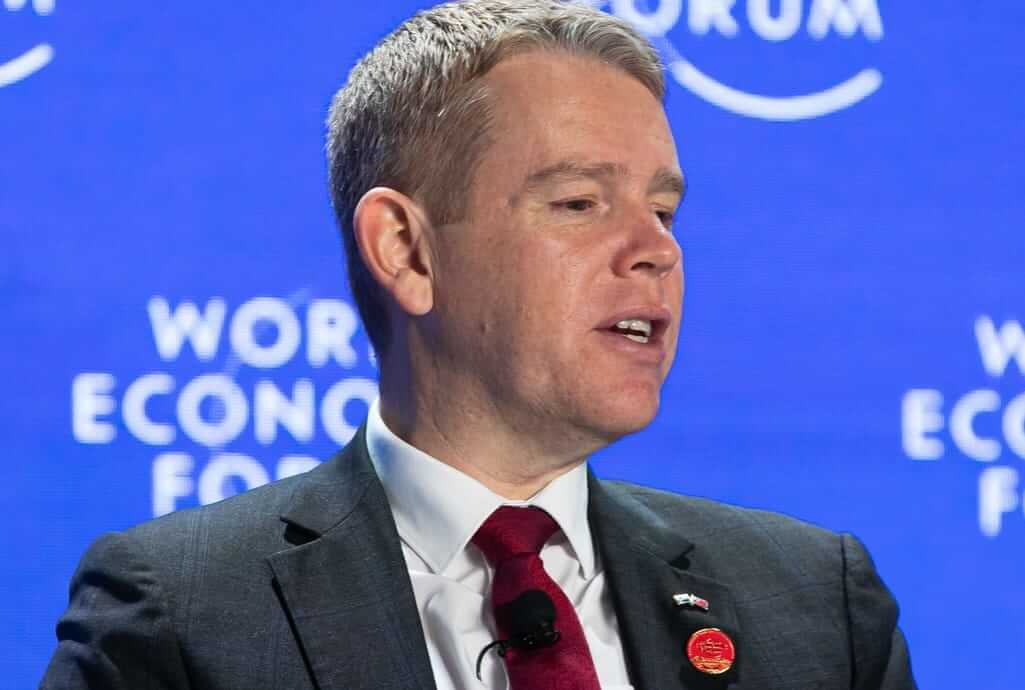
Labour leader Chris Hipkins says voters will see a very different Labour Party at the 2026 election, arguing the country has “moved on” and claims that the party’s policies have shifted accordingly.
His flagship economic pitch centres on a capital gains tax targeted at investment and commercial property, a long-debated Labour policy. Labour claims the proposed tax would fund three GP visits a year, a Future Fund, cervical screening and other health initiatives.
He also repeated Labour’s claim that taxing property speculation would redirect capital into more “productive” parts of the economy.
Hipkins’ criticism of other governments for making “completely unrealistic” promises is likely to remind voters of Labour’s own unfulfilled commitments on housing, infrastructure, child poverty and economic transformation.
On coalition politics, Hipkins described Te Pāti Māori as a “shambles” and not ready for government, saying Labour wants to win all seven Māori electorates to remove the party from the post-election equation. At the same time, he declined to rule out New Zealand First.
Hipkins also blamed the current coalition for New Zealand’s slow recovery from high inflation despite Labour conceding that inflation hit 7.5 percent in 2023 under its watch.
Labour has promised to repeal the Regulatory Standards Bill and restore pay equity settings, while declining to say how it would replace the $1.8 billion a year those changes would cost.


![[The Good Oil] Stuff Up of the Day](/content/images/size/w1304/format/webp/2024/09/Stuff-up-image-1.webp)