When Anthony Albanese announced a multi-billion-dollar bailout for one of Australia’s last remaining aluminium smelters, it was a much-needed investment in our critical defence capabilities – and a tacit admission of the catastrophe called ‘Net Zero’.
While the Climate Cult labour under the delusion that Australia can simply ‘Just Stop Oil’ while remaining a first-world country able to defend itself, anyone with half a brain knows better. Hydrocarbons don’t just run cars and power stations: they’re absolutely necessary for everything from medicines to fertilisers, plastics, electronics, and, yes, solar panels and wind turbines.
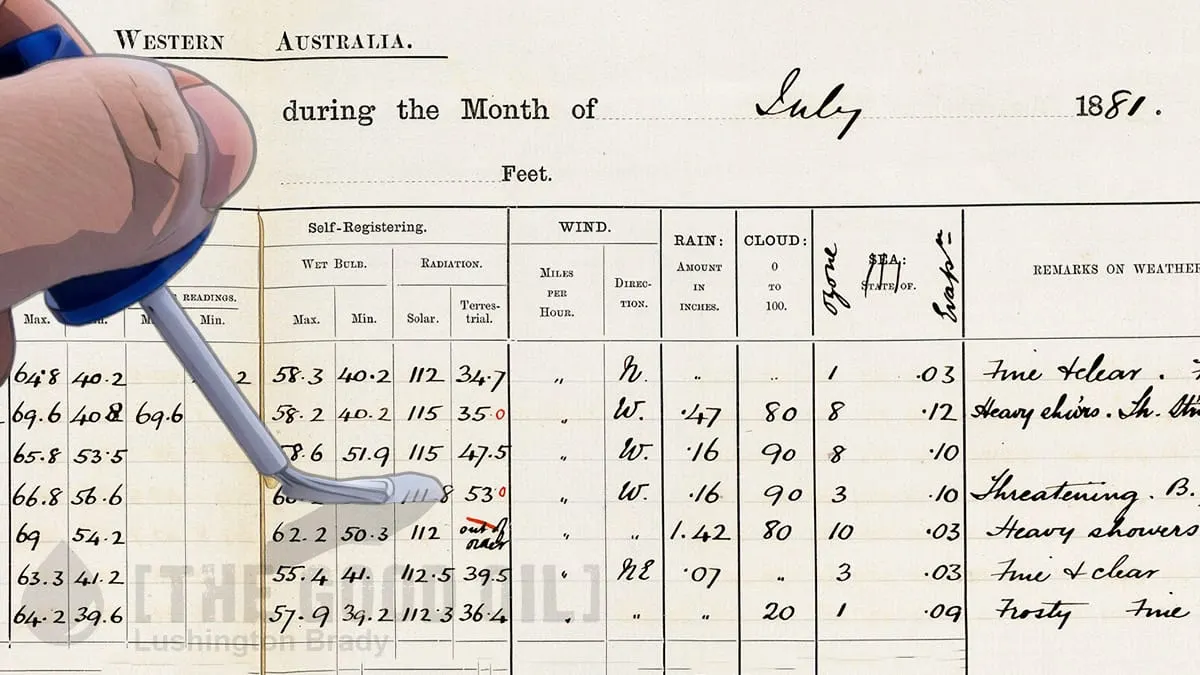
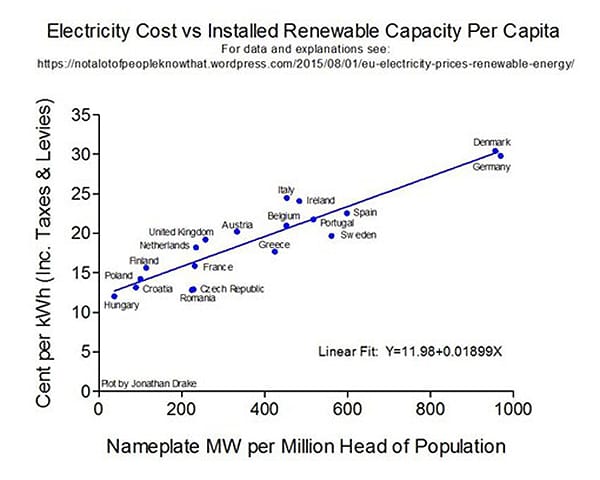
Even if they were solely used to generate energy, they’d still be critical. No matter how many times Boofhead Bowen lies to the contrary, coal and oil are still the cheapest way of generating energy, especially electricity. Wind and solar are expensive. This simple graph shows the undeniable, brutal truth:
When the cost of energy goes up, the cost of everything goes up. Not least, electricity. Aluminium smelters are massive users of electricity – and they’re a heavy industry that’s critical to defence capability. So, when the cost of electricity skyrockets, so does the cost of making aluminium.
Nothing has driven the cost of electricity, and hence, aluminium, more than ‘Net Zero’. ‘De-carbonisation’ is de-industrialisation. A de-industrialised nation is a helpless one.
Even a Labor government as spectacularly ideologically deranged as the Albanese government is capable of grasping that last point. They just can’t bring themselves to acknowledge the others – or that it’s all their fault.
Industry Minister Tim Ayres has defended a $2.5bn bailout package for Australia’s largest aluminum smelter, claiming the protection of Australia’s heavy manufacturing capability was in the “national interest”.
He’s right – but so is James Paterson.
Opposition Defence spokesman James Paterson says Labor’s pursuit of net zero forced the government’s hand on a $2.5bn taxpayer-funded bailout of the nation’s largest smelter […]
“This bailout is only necessary because electricity prices have become completely unaffordable under Labor, not just for households and small businesses, but for large industrial users like Tomago,” he told News24.
“They’ve put ideology ahead of the interests of workers or taxpayers. And they’ve been pursuing net zero with this fervor against all the costs for our economy and our society … It’s sad that we now need to be running around bailing out every industry.”
The smelter’s coal-fired power contract runs out at the end of 2028. Without the handout, electricity costs for the plant would double. So, taxpayers get stiffed for $2.5 billion (roughly $2.5 million per worker), split down the middle between Canberra and Chris Minns’ New South Wales, to keep yet another critical heavy industry from the knacker’s yard. With Albo driven from the mic by persistent questions over his ‘melons’ gaffe, it was up to Ayres to front. Cue the magic words: renewables, storage and a bit of gas and everything will be cheaper and better.
He somehow said this with a straight face.
“The only solution was to bring forward investment in new renewables, wind and solar, backed by storage and gas, to deliver lower cost efficient electricity for this system,” Senator Ayres told the ABC.
So which is it? Wind and solar? Or lower cost-efficient electricity? We can’t have both.
The same government that spent a decade telling us coal was the past is now writing enormous cheques because the past is the only thing that kept the lights on and the smelter running at a profit.
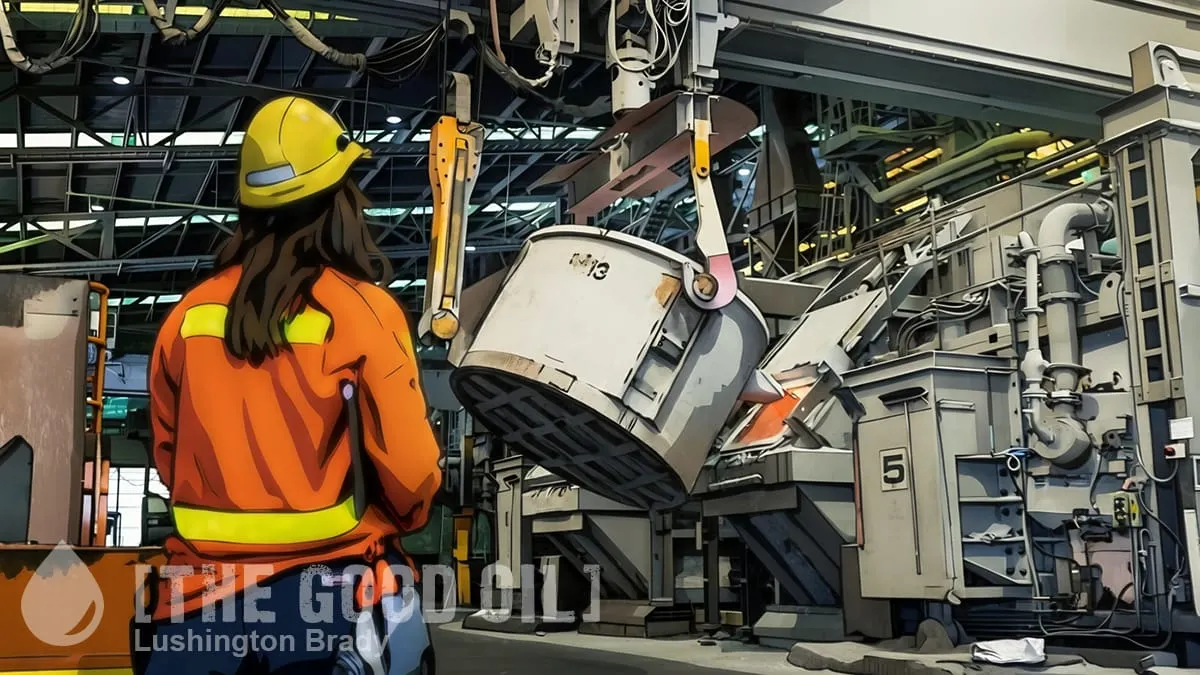
Albanese turned up at the plant, surrounded by hard-hatted workers, and declared the facility essential to his “Future Made in Australia” slogan. We cannot, he said, afford to sit back and watch another manufacturing capability disappear like the car industry. That would be the same car industry killed off by another Labor government: Hawke’s. Of course it was long in the dying and didn’t actually stop breathing until the 2010s, but its throat was cut by Labor’s “Button Plan” in the 1980s. It just took that long to bleed out.
The difference is that this time the same people who created the crisis get to pose as the saviours.
Aluminium is strategic. You cannot build aircraft, ships, missiles or much of a modern defence industry without it. A country that deliberately prices its own heavy industry out of existence is a country choosing helplessness. Labor finally noticed the strategic bit. They remain pathologically incapable of admitting the cause.