Table of Contents
Summarised by Centrist
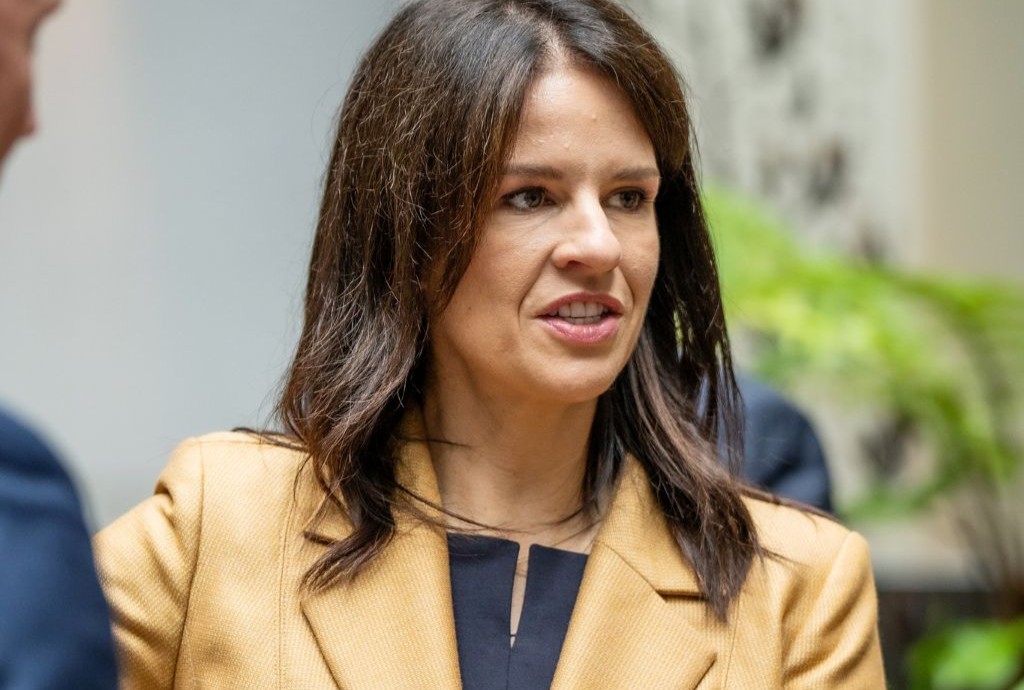
Education Minister Erica Stanford said Māori and Pasifika students showed the largest early gains precisely because they were starting from the lowest baseline after years of underperformance.
“They are of course starting from a lower base a lot of them because we are, you know, some of them are many years behind the curriculum,” she told podcaster Duncan Garner.
Once basic gaps are addressed, progress can accelerate quickly, she said.
She explained that the reforms focused deliberately on fundamentals. “We were looking at the basics. Place value, rational number, basic facts and word problems. Those are the core things if you’re going to go further in mathematics,” she said.
“Those kids were making two years’ worth of gains in 12 weeks,” Stanford said, adding that even in standard classrooms there was “a year-on-year gain” across core sub-skills.
“For six years, we did cultural competency training, which is important, but we focused on that and there were schools saying to me, ‘We haven’t done any maths [professional development for educators] in six years,’” she said.
“At the moment there are 10,000 kids every year who leave high school without a qualification, and many of them are Māori and Pasifika.”
She then reinforces the scale and seriousness of the problem, calling it “a huge failure” and “a moral failure,” adding: “When you think about the hours that they’ve spent in school to walk out with nothing… you are stealing their future.”
“If they leave school well qualified, then that’s our job done,” she said.
“If you’re talking about giving effect to the Treaty, that’s it.
That’s literally it,” she argued.