Book Awards Fall Short, Again!
By awarding poorly written but politically charged books, the industry and the awards are in danger of losing credibility that has been hard fought for over many years and we risk sponsorships and trust.
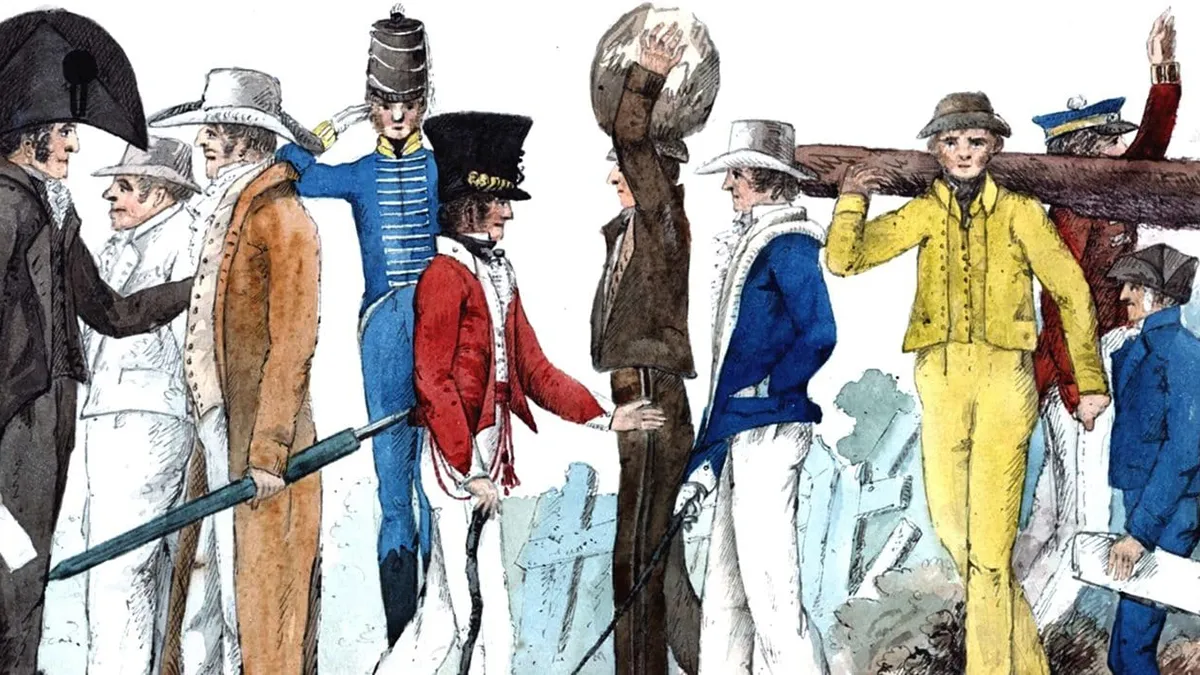
Like it or not, almost no black convicts were transported to Australia, nor was transportation ‘slavery’.
I was expecting the book to be heavy on Eastern mysticism, but found instead a man inspired by the ancient Greeks.
The Pfizer papers are too important to ignore and point to not only Pfizer but authorities such as Medsafe knowing that immense harms were about to be unleased on the people of New Zealand.
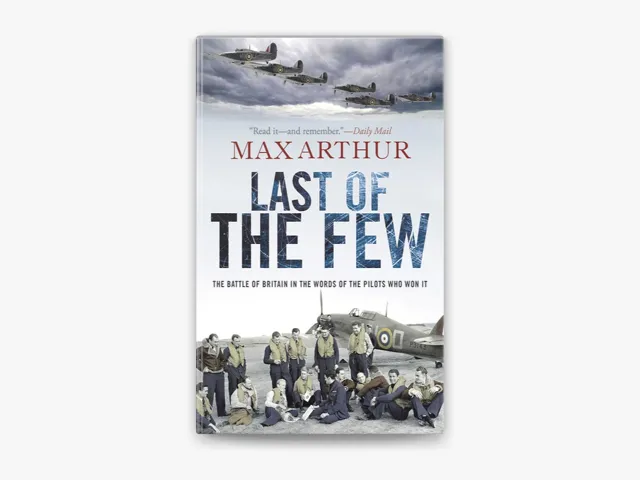
This level of firsthand detail brought a personal touch to the incredible story of the Battle of Britain.
The past and the present in a potentially campaign-killing reflection.
The war on history is a war on the West.
Overy concluded that if warfare has a very long human history, it also has a future. If that’s true, then if the wasted application of so much human resources into warfare technology continues then humanity may itself prove to have no future.
Why indeed. A guest post by Hon Rodney Hide.
C S Lewis’ ‘The Last Battle’ and globalist multiculturalism.
There is no positive view of family, although he begrudgingly admits having one is necessary to continue the species. He believes this is the death of a man. I disagree. Family drives men to greatness, but Bronze Age Mindset doesn’t make that leap.
How the author who ‘cordially disliked allegory’ created one of the most remarkable allegories ever written.
His ideas could be applied to our own depressed rural zones – that’s the strength of Vance’s writing – it’s not just for Kentucky or Ohio.
Jon Miltimore Jonathan Miltimore is the Senior Creative Strategist of FEE.org at the Foundation for Economic Education. Emperor of Rome from 161–180 AD, Marcus Aurelius is remembered as the “Philosopher King,” largely because of his classic work Meditations, a cornerstone of Stoic philosophy that delves into such themes