

Payroll Tax Is a Disincentive for Business
Right now, the system is telling us that theory is worth a gift – while practical skills are worth a tax invoice.
Right now, the system is telling us that theory is worth a gift – while practical skills are worth a tax invoice.


We need Kiwi First thinking from our government. Premium local organic production is the key to protecting our clean green Kiwi image and unlocking a sustainable economic advantage to secure New Zealand’s future.

Farmers aren’t imagining it. They are being gaslit. It is a mafia racket, not a matter of cultural respect.

“This is part of an unfortunately familiar pattern of local manufacturing shutting down across Aotearoa. We’ve seen it with Carter Holt Harvey at Eves Valley, Sealord in Nelson, Kinleith Pulp and Paper, and now Heinz Wattie’s.”

The Epstein Files document a plan to turn global health emergencies into investment vehicles so by the time Covid arrived on the scene, the mechanisms to manage and profit from the so-called crisis, was ready and waiting.

Avert not your eyes: life for civilized people entered into a period of barbarism from which we’ve yet to emerge.

If Kennedy suggested that gravity existed, some media outlets might feel compelled to defend levitation. Which is how a debate about hidden sugar ends with a major newspaper defending the sugar industry rather than the health of our children.

Yet, they ignored $378 million of Epstein’s. The entire Know Your Customer regime, the Currency Transaction Reports, the Suspicious Activity Reports, FATCA, the anti-structuring laws – all of it functions perfectly. Against you.
If they spent as much energy making it easier to build a business as they do dreaming up new ways to ‘soak the rich,’ the tax base would take care of itself.

The two pieces are an interesting example of how two people can present the same event quite differently.


I am with David Seymour on this one. Sell Air NZ. And while we are at it, sell the other distressed state assets such as Radio NZ and TVNZ. The taxpayer has carried these losers long enough.
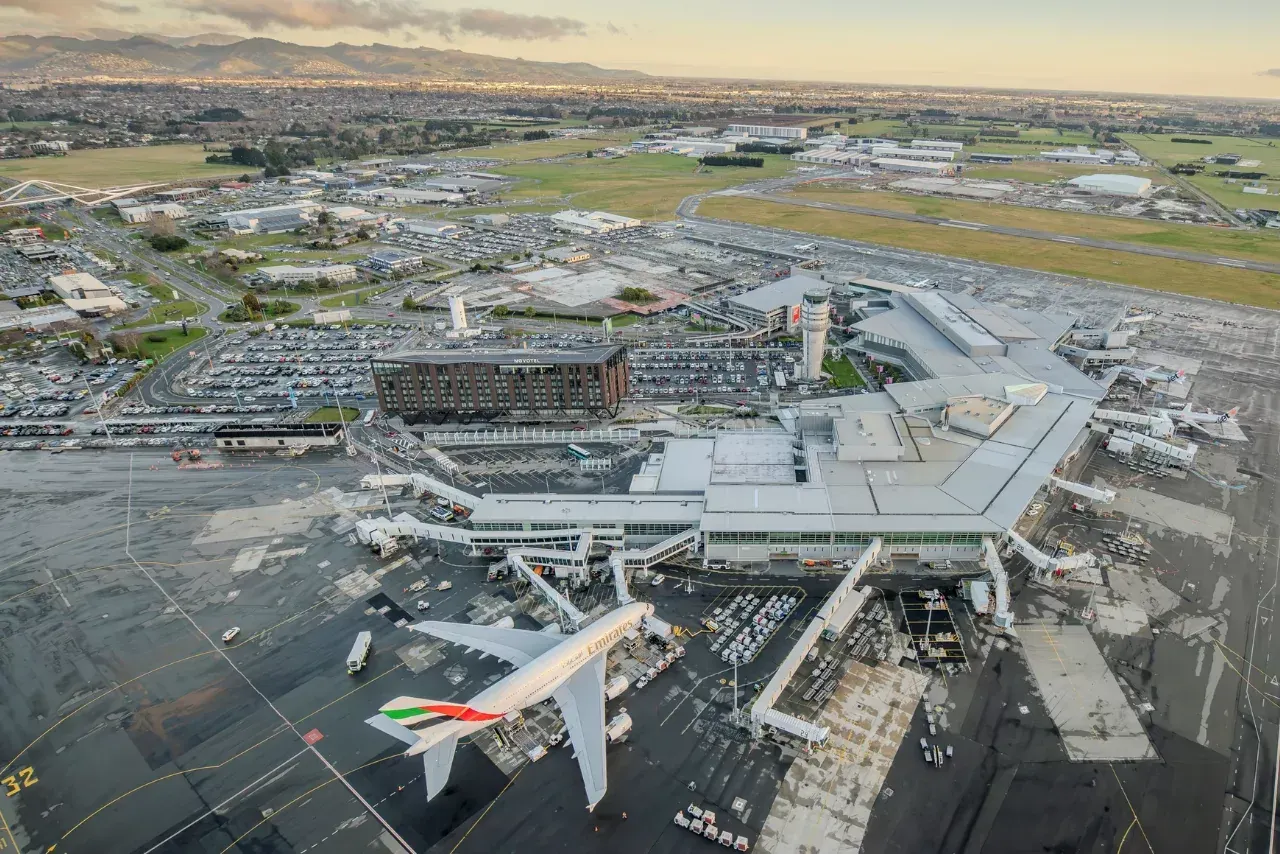
Passenger numbers increased 7.2 per cent to 3.4 million during the period, with international travel surging 15.2 per cent and domestic travel rising 4.8 per cent.

NZ Post has announced plans to phase out frontline posties entirely, following the same trajectory Denmark has now completed. Letters may technically still exist, but only at exorbitant courier-style prices, while the organisation pivots to parcels and registered mail – the profitable segments.

After spending Christmas sick, alone and offline, Jane Hewland says her saga with British Telecom shows what happens when humans defer to systems and AI – where scripts rule and a 10-minute fix takes a month.