

Censorship

This Is Another Academic Freedom Case
How exactly I was supposed to incorporate ‘Māori and Pasifika perspectives’ into my courses on ancient Greece is still something of a mystery to me. But the important thing about these expectations is that they seem to fly in the face of academic freedom.

On Rising Above the Parapet
Prefiero morir de pie que vivir de rodillas – Better to die on your feet than live on your knees.

The Left Is Clearly a Greater Threat To Free Speech
The evidence from Cambridge, and from Britain as a whole, points in one direction. It is the left – not the right – that poses the greater threat to free expression today.

Free Speech in the Digital Age
By regulating online speech and expanding digital ID systems, governments are turning the natural right to free expression into a licensed activity.
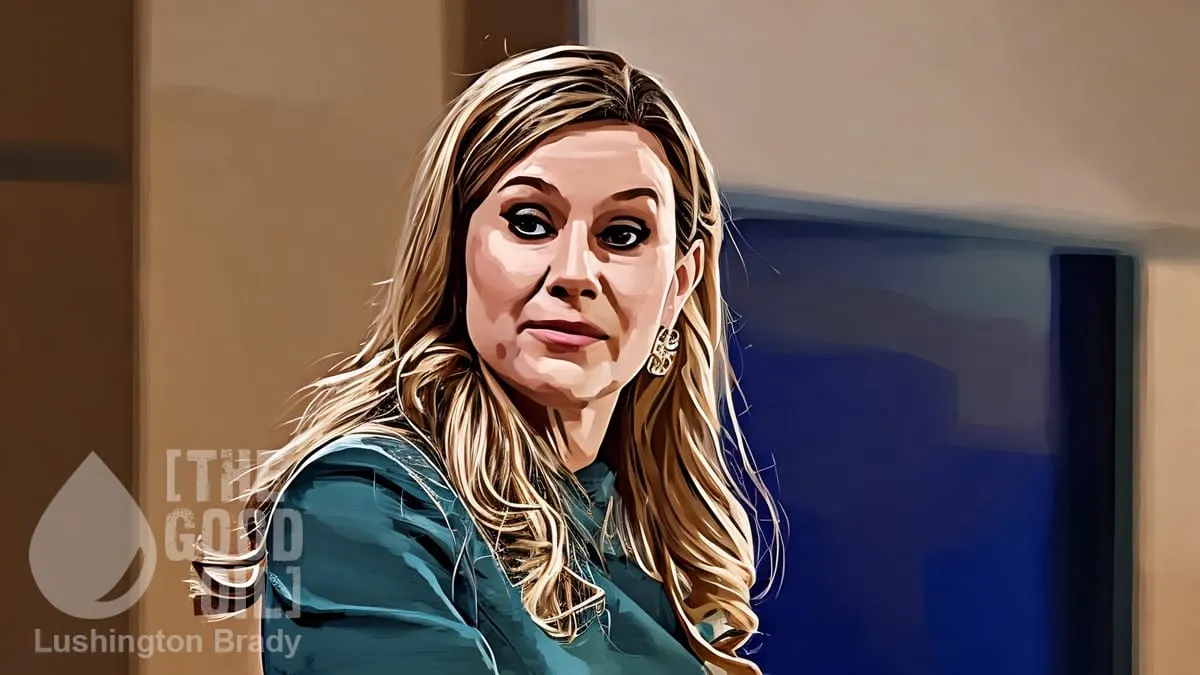
E-Karen Thinks She Is Above the Law
A sinister insight into the illegal machinations of the Long March left.

Media Freedom… if We Can Keep It!
‘Free speech for me but not for thee’ – using government force to shut down unwanted voices – will result in free speech for no one. And once it is gone, it will not be easy to get back.

Free Jimmy Lai
A good man is going to die in a Hong Kong prison for believing in freedom and democracy. His name is Jimmy Lai.

Government Orders Deletion of UK’s Court Archive
There are concerns that the government is fleeing from transparency over failings in the justice system amid a string of murders and sex attacks by asylum seekers.
Regulating Speech Is the Slipperiest of Slopes
Steve Holland Broadcaster, commentator, media consultant, libertarian and former mayor of the Mornington Peninsula. The Commonwealth Parliament, powered by a collusion of both major parties, has rammed through the Combatting Antisemitism, Hate and Extremism (Criminal and Migration Laws) Act 2026. This law, cynically marketed as an antisemitism measure following the

The Cover up Continues On
It’s not just happening on social media and mainstream media, but also in the high impact medical journals that our medical community rely upon. Inconvenient science is being heavily censored to protect profits. All at the expense of population health.

Germany’s Latest War on Freedom
The government will always be there to protect the ‘freedom’ of oversensitive journalists by harshly punishing anyone who calls them a dummkoff.

The Liberal Party Backflips on Speech
These new powers will do little to dissuade terrorists (who already operate outside the bounds of the law), but will primarily restrict the free speech and activities of regular Australians, who, when in doubt, will self-censor to minimise risk of prosecution.
Why We Shouldn’t Ban Controversial Speakers
Allowing controversial speakers into Australia provides an alternative to the mainstream media and this is good for a diversity of perspectives.

Scott Adams and Intellectual Courage
Those who dare challenge elite opinion cartels will always pay the price. But they can live and die with a clean conscience. What matters more?

Being Honest Is Not Race Baiting
If we cannot talk openly about trends without being shouted down, we will never fix the underlying causes. Silence does not protect communities. Truth, handled responsibly, just might.