

We No Longer Recognise Evil
As the Islamic regime in Iran begins to crumble, it is clear from comments of some politicians, academics, and activists that they no longer can discern between good and evil, right and wrong.
As the Islamic regime in Iran begins to crumble, it is clear from comments of some politicians, academics, and activists that they no longer can discern between good and evil, right and wrong.
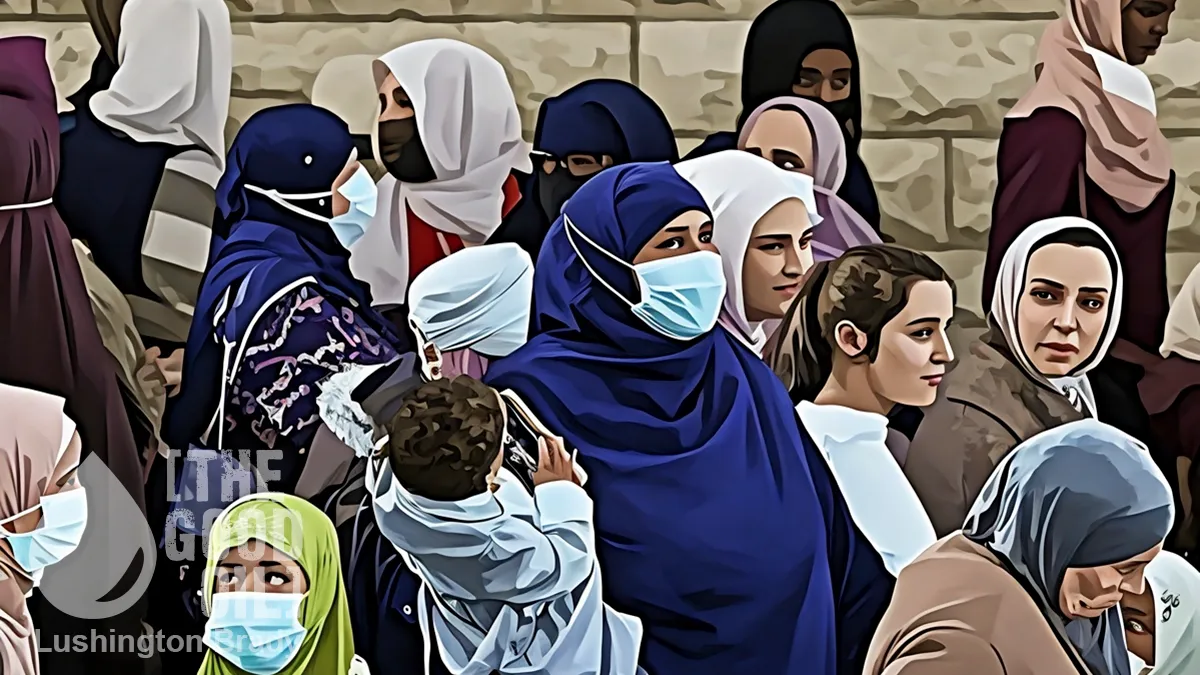
“You will be told you can’t complain because you’re Islamophobic.”

There seems to be plenty of class time to discuss gender, the politically correct pronouns and social justice issues. But that isn’t why we send our kids to school. We want them to learn basic skills so they can function successfully as adults. And, in so many cases, that just isn’t happening.

A sinister leftist re-education campaign backfires spectacularly.

This narrative normalises failure and lowers expectations. It tells people their circumstances are not really changeable without sweeping political transformation. That is not empowerment. It is treating people like children dressed up as compassion.
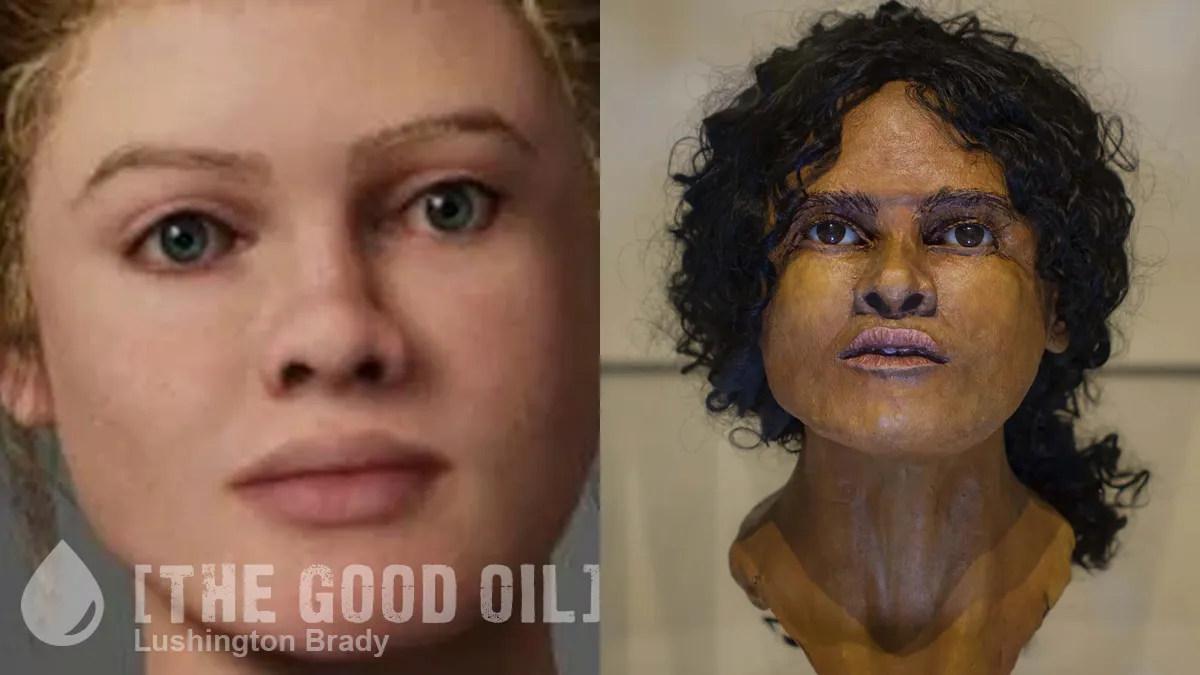


Kleck and Strenta’s research suggests that what we expect from others often shapes how we think they see us.

Despite Henare’s bold assertions, Hipkins has kept quiet so far about any plans he might have for reinstituting aspects of co-governance if Labour wins office – and the legacy media seem disinclined to ask.

A woke battle for victimhood supremacy drowns out mature debate on resource management reforms.
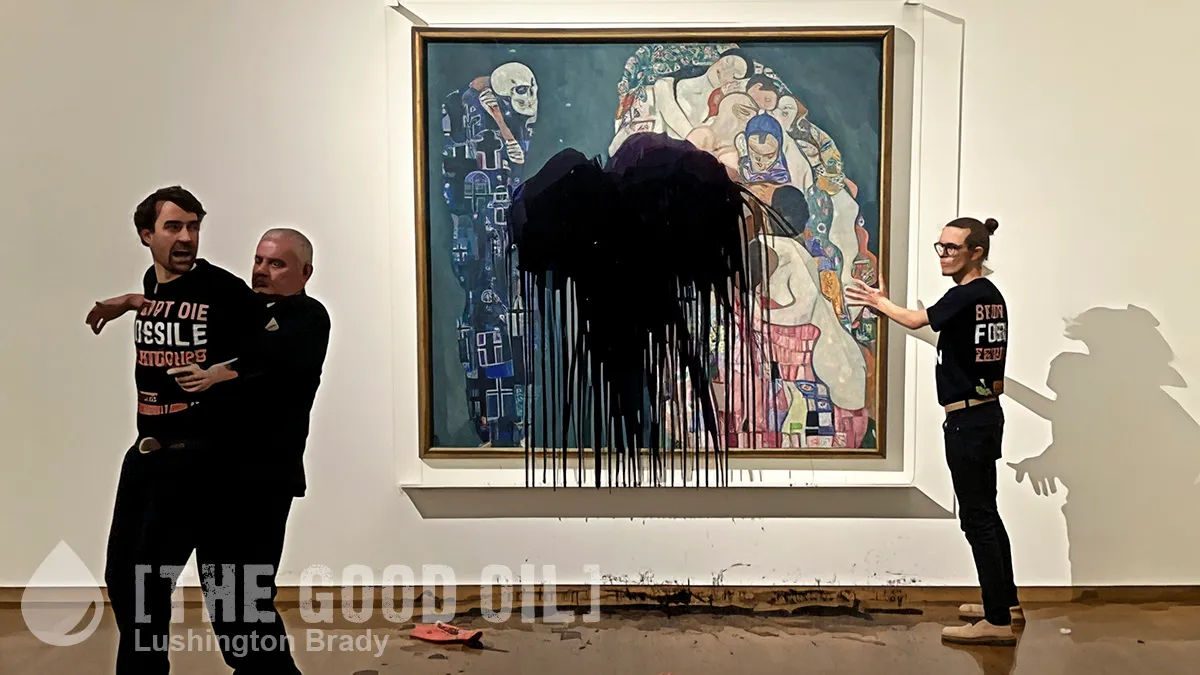
They’re not depriving their children, they’re funding the destruction of the West.
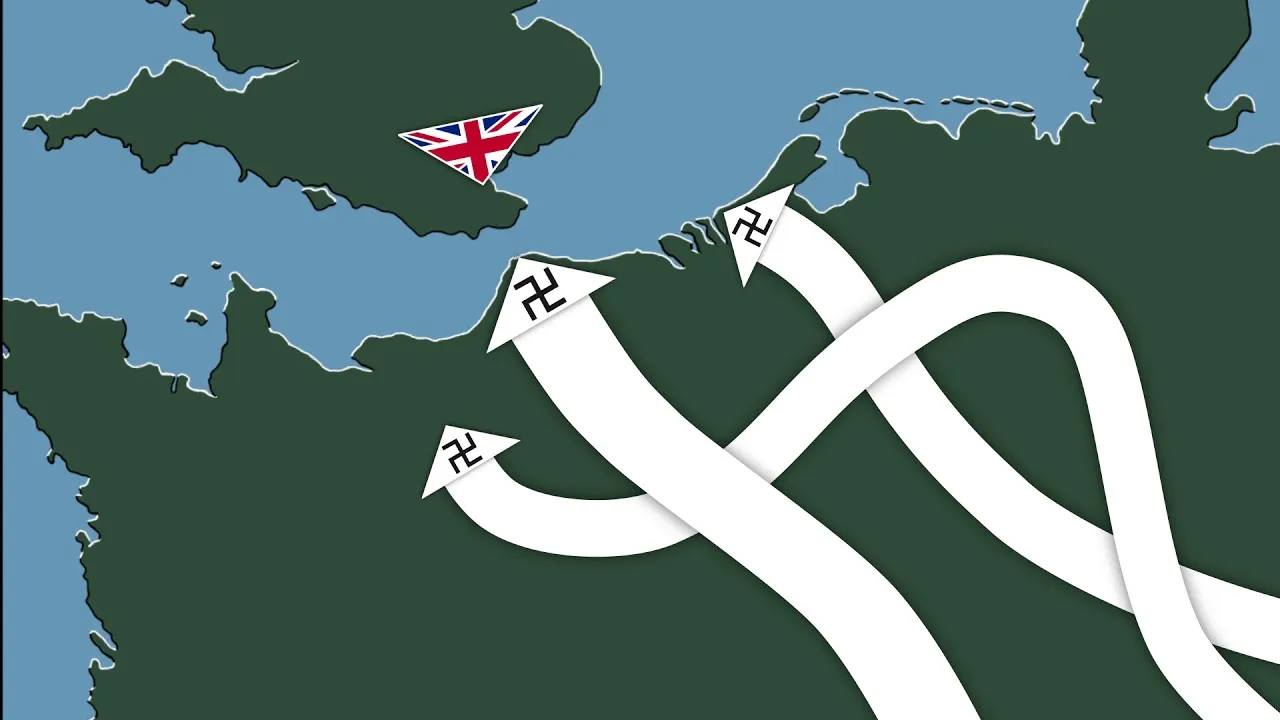
And save the Anglo-Saxon from left-wing Europe.

Salmond calls for open minds. On this point she is right. But an open mind is not one that refuses to evaluate claims. It is one that is willing to have its own claims evaluated. It is not one that protects ideas from criticism, but one that welcomes criticism as the price of progress.

A new ‘disease’ is allegedly sweeping the nation – but you don’t catch it quite like Covid.