

Defence

The Right Thing for the Wrong Reasons
A Whyalla wipeout would be a strategic disaster – not that Albo seems to grasp that.

Is China Rehearsing for War?
Latest PLA maneuvers indicate chilling possibility for Taiwan.

It’s Not Just DeepSeek China Is After
I am hopeful President Trump will recognize that now is the time to act – before China’s maritime buildup permanently shifts the global balance of power.

Is Upgrading the Army a Mission Impossible?
Canada must recover from decades-long deficits in military spending and procurement.

The Case for the US Iron Dome
Keeping America safe from incoming nuclear missiles is an old goal and a new Trump promise.

The US Must Prepare for War
America’s ability to maintain peace through strength will depend not just on our technology or strategy but on the preparedness of our people. War may be a constant in the human condition, but so too is the capacity for courage, sacrifice, and resilience.




Copying the Losing Side Surely Isn’t a Good Strategy
The Australian Defence Force wants to emulate an army who’ve consistently lost on the battlefield.

The Case for the F-35 Fifth Generation Stealth Fighter
Though the tide of sentiment is against manned aircraft, there is an argument favoring them.

Trump Must Play Wargames
Nuclear disarmament will remain beyond reach for at least a generation, as all of the US, Russia, China, North Korea, India and Pakistan are ramping up their production of warheads.

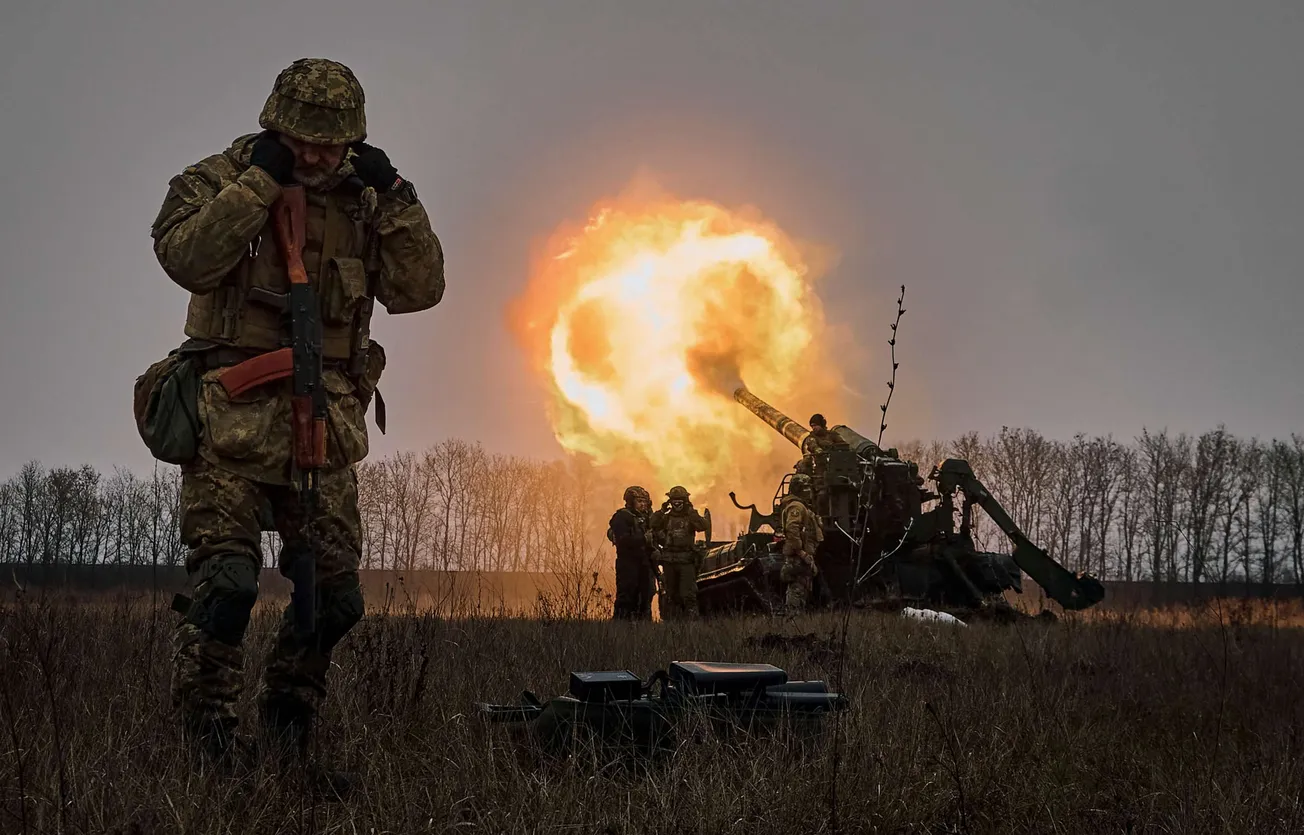
Russia, Israel and the Paradoxes
Chess and warfare are filled with paradoxes. Most people don’t play chess, which means they don’t understand war. And it shows. To be fair, the paradoxes of war often bamboozle the uninitiated and can look downright evil or brutal. However, refusing to follow the weird logic of war
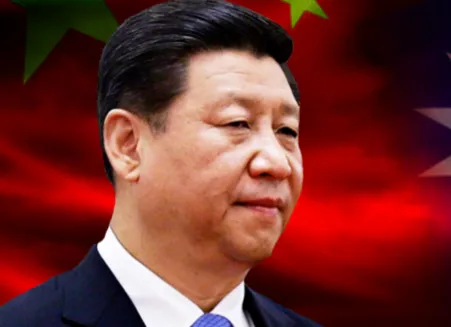
Historical Lessons of the Short War Temptation
Julian Spencer-Churchill Dr. Julian Spencer-Churchill is associate professor of international relations at Concordia University, and author of Militarization and War (2007) and of Strategic Nuclear Sharing (2014). It is now a truism that political leaders don’t initiate wars with the expectation that they will be protracted contests of attrition.