Skip to content

History

Charles Dickens and the Birth of the Classic English Christmas Dinner

Charles Dickens and the Birth of the Classic English Christmas Dinner

Joan Fitzpatrick Loughborough University Charles Dickens popularised the traditional, English Christmas in 1843 in his novel A Christmas Carol, when Bob Cratchit and his family sit down on Christmas Day to eat a dinner of goose with mashed potatoes and apple sauce accompanied by sage and onion stuffing and followed

Members Public
Charles Dickens and the Birth of the Classic English Christmas Dinner

Charles Dickens and the Birth of the Classic English Christmas Dinner

Joan Fitzpatrick Loughborough University Charles Dickens popularised the traditional, English Christmas in 1843 in his novel A Christmas Carol, when Bob Cratchit and his family sit down on Christmas Day to eat a dinner of goose with mashed potatoes and apple sauce accompanied by sage and onion stuffing and followed

Members Public
How the Nazis Co-opted Christmas

How the Nazis Co-opted Christmas

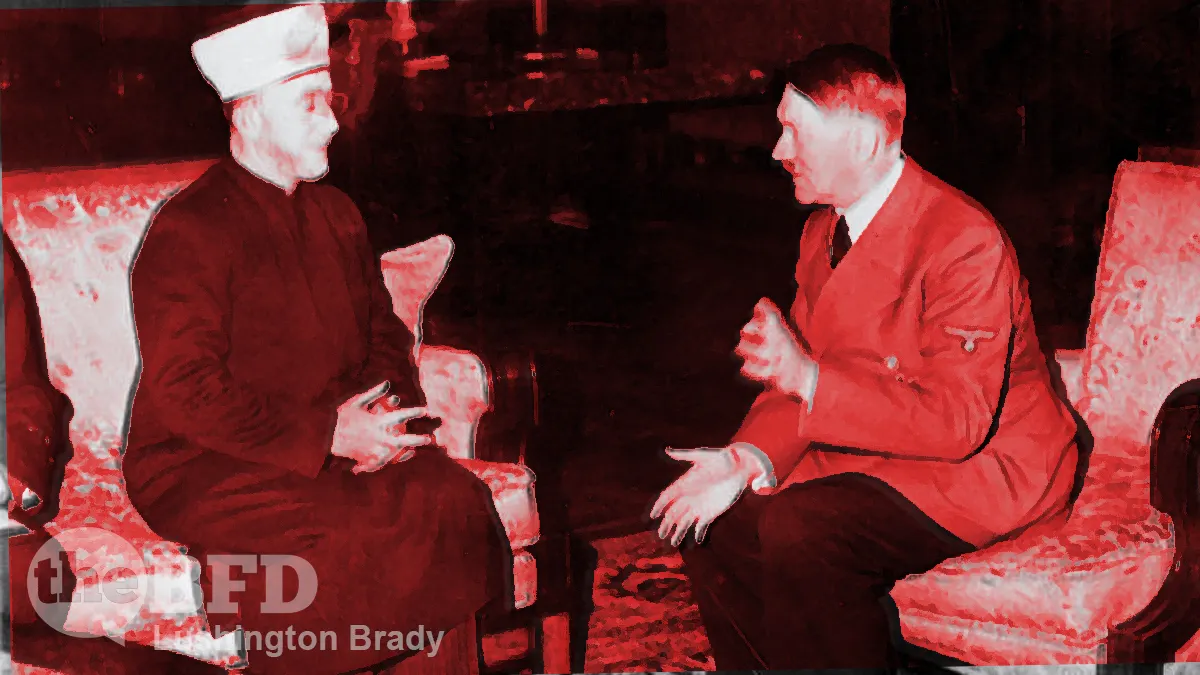
Joe Perry Georgia State University In 1921, in a Munich beer hall, newly appointed Nazi party leader Adolf Hitler gave a Christmas speech to an excited crowd. According to undercover police observers, 4,000 supporters cheered when Hitler condemned “the cowardly Jews for breaking the world-liberator on the cross”

Members Public
grayscale photography of group of men wearing soldier suit

It Was German Soldiers Who Made First Move in the Christmas Truce

William Keylor Boston University The Christmas Truce is no stranger to popular entertainment – this year more than any other as its 100th anniversary is marked. The famous moment when British and German soldiers climbed out of the trenches in peace on Christmas Day 1914 has been replicated and ruminated upon

Members Public
How the Salvation Army’s Red Kettles Became a Christmas Tradition

How the Salvation Army’s Red Kettles Became a Christmas Tradition

Diane Winston USC Annenberg School for Communication and Journalism Tinseled trees and snowy landscapes are not the only signs of the upcoming holiday season. Red kettles, staffed by men and women in street clothes, Santa suits and Salvation Army uniforms, also telegraph Christmastime. The Salvation Army is among America’s

Members Public
people walking on market

Christmas Markets: Their Long History and Changing Future

Aurélie Bröckerhoff Coventry University Cristina Galalae University of Leicester Wooden huts with twinkling fairy lights, festive hubbub, and the aromas of roasted chestnuts and glühwein – this picture-postcard setting is recreated annually across UK towns and cities in December. This year, however, most Christmas markets have been cancelled, meaning that

Members Public
Christmas tree near wall

The Amazing Growth of the Christmas Tree

François Lévêque Mines ParisTech A few hundred years ago, who would have dreamed that the humble Christmas tree would one day be an immense global success? Certainly not Martin Luther, who is said to have decorated a tree with candles to celebrate the birth of Jesus Christ. Nor Prince Albert,

Members Public
The Humble Origins of ‘Silent Night’

The Humble Origins of ‘Silent Night’

Sarah Eyerly Florida State University One of the world’s most famous Christmas carols, “Silent Night,” celebrates its 200th anniversary this year. Over the centuries, hundreds of Christmas carols have been composed. Many fall quickly into obscurity. Not “Silent Night.” Translated into at least 300 languages, designated by UNESCO as

Members Public
gold and red hanging decor

Decking the Halls of History: The Origins of Christmas Decorations

Anne Lawrence-Mathers University of Reading The idea of hanging up decorations in the middle of winter is older than Christmas itself. Decorations are mentioned in ancient descriptions of the Roman feast of Saturnalia, which is thought to have originated in the 5th century BC. Some 900 years later, a

Members Public
The Earliest-Known Images of Mary

The Earliest-Known Images of Mary

Some time back, I wrote about the earliest known images of Jesus. But what about his mother? As historian Geoffrey Blainey says, Mary’s cult was virtually unknown in the the first century of Christianity, but within a few centuries, “veneration of Mary was sufficiently widespread for the Council of

Members Public
stack of white yellow green and blue textiles

Pandemic Sewing Surge Is a Chance to Rediscover the Practical Arts

Mary Gale Smith University of British Columbia United Kingdom Prime Minister Boris Johnson sent Britons Googling this past fall when he said “a stitch in time saves nine” to describe actions to prevent the spread of COVID-19. The phrase means it’s better to spend a little time solving

Members Public
Core Services Now Account for Just 40% of Rates Spending

Core Services Now Account for Just 40% of Rates Spending

From the early days of colonial settlement, New Zealand’s towns and boroughs formed councils as a way of communities working together for the greater good. They settled local disputes and coordinated shared resources long before there was any legal framework. The first government laws about councils were the creation

Members Public
The “Epicentre of Women’s Suffrage”

The “Epicentre of Women’s Suffrage”

Katie Pickles University of Canterbury Kate Sheppard was around 40 in 1888, the year she and her family moved into the brand-new wooden villa at 83 Clyde Road, Ilam. Now part of inner Christchurch, it was then a rural section some five kilometres from the city centre. Today, 132

Members Public
Open Letter to the PM

Open Letter to the PM

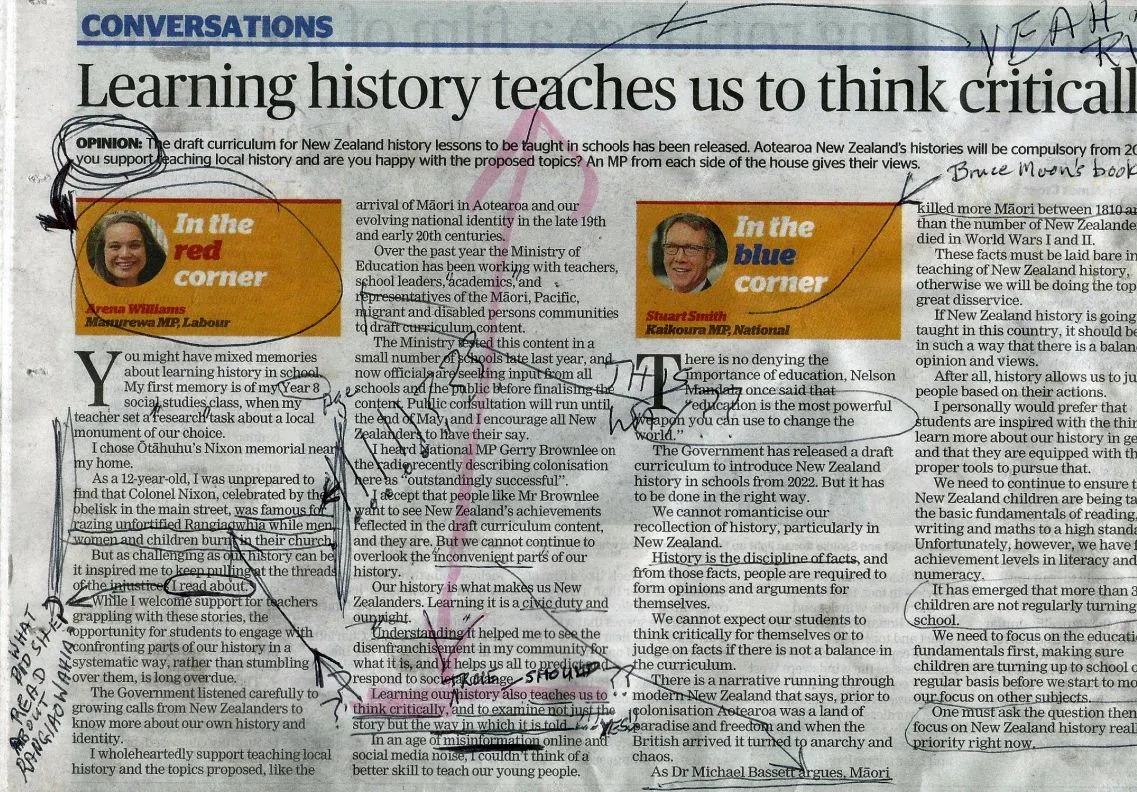
Bruce Moon It is reported in ‘Newsroom” for 11/11/20 that the leaders of the Maori Party have said: “From seeking to rebuild their communities – South Taranaki and eastern Bay of Plenty – from the ravages of land alienation. From lived memories of the brutal seizures in Taranaki, that the

Members Public
karl marx

Will the Real Karl Marx Please Stand Up? [Updated]

Depending on which side of the Marxist divide your sympathies lie, Karl Marx himself was either the devil incarnate or a luminous angel who was “beloved, revered and mourned by millions”. The last sentiment, spoken at Marx’s funeral in 1883 by his lifelong friend and collaborator, Friedrich Engels, was

Members Public