

NZ Politics

Sex-Based Rights Are at Risk
Sex is not a contested idea. It’s an innate part of human life and life in general. It is not specifically defined in New Zealand law because it has never needed to be.

The State of Our Public Schooling
If this is the level of knowledge and aspirational thinking of a member of the PPTA executive, then it is no wonder the ministry is offering them only one per cent per year increase for the next three years.

A Compromise Would Be a Big Mistake
Any attempt to support the bill in its present form or a compromise version which effectively deregulates genetic editing in laboratories will be a opening into an entirely uncertain and risky future.

The Clark and Key Visit to China
It’s impossible to understand why there should have been the slightest criticism of Helen Clark and John Key for attending the parade. In helping to preserve New Zealand’s relationship with our most important trading partner, we owe them our gratitude.
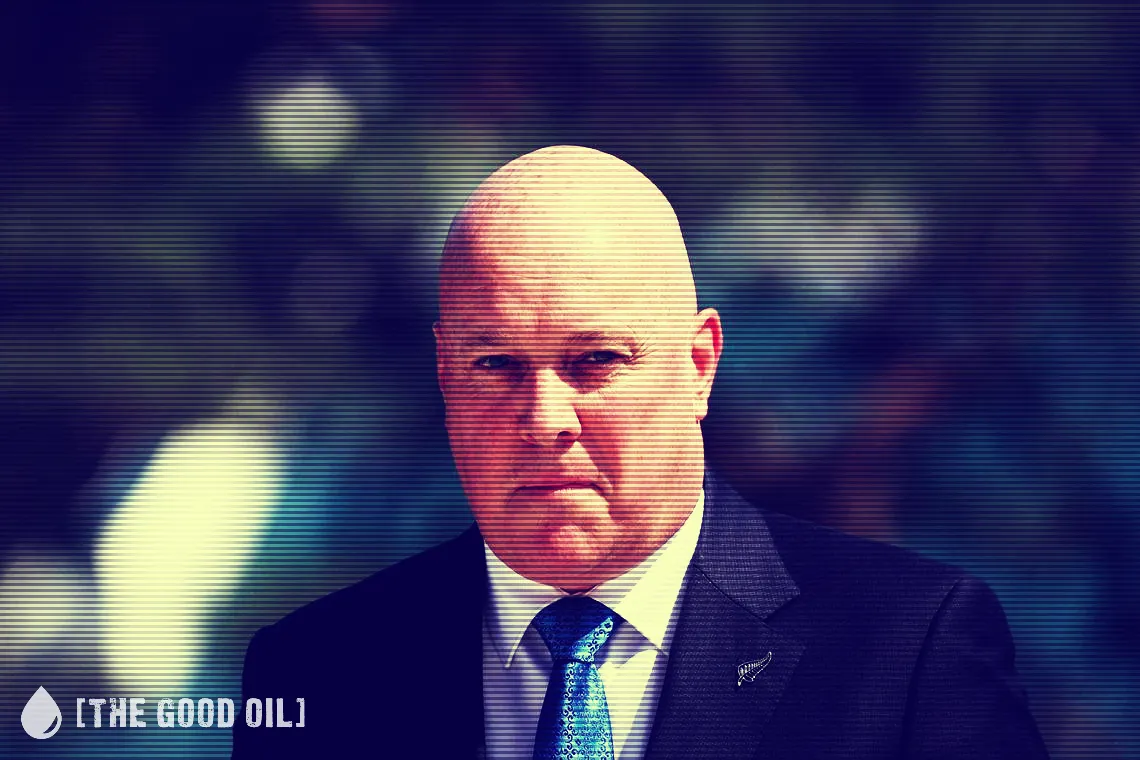
Luxon’s Leadership Woes: Chatter About a Spill, But It’s All Hot Air For Now
What saves Luxon, ultimately, is that National’s the party of the status quo. They’re allergic to rocking the boat – always have been.

Political Neutrality in the Healthy Futures Act
NZDSOS urges a re-evaluation to protect free speech and professional integrity in medicine.
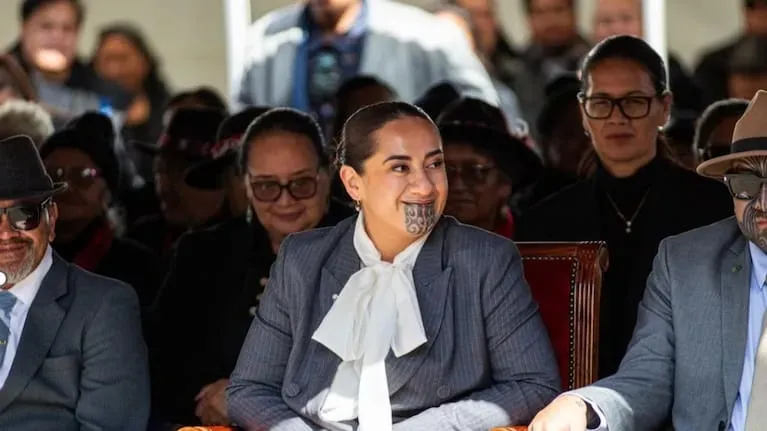

The Law Commission Jumps the Shark
'Ia Tangata' has been published and it is as bad as I predicted.

They Must Guard Against Civil Unrest, Not Create It
The proposed changes to the Human Rights Act are not progressive, they are regressive. They undermine biological reality, jeopardise fairness and risk creating new injustices in the name of solving old ones.

Mike Davidson to Replace Doyle
Davidson goes not with the blessing of the public, but with the mandate of the Green Party list. He is more likely to show up at whatever protest is fashionable than deliver anything resembling real change.

2026 Election Looks Clear Cut
The upshot is Luxon will be saved, to some degree, by what the alternative is.

The Substack That Didn’t Age Well
Te Pāti Māori win easily – but how about that turnout?
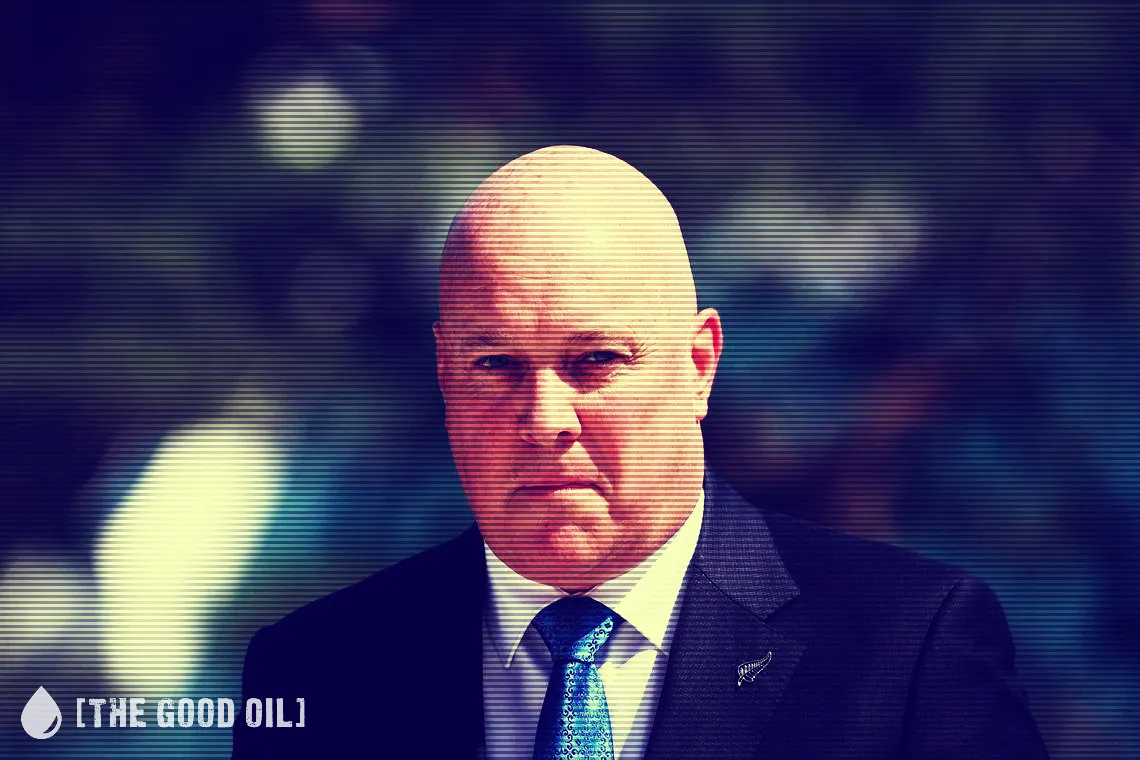
Latest Taxpayers’ Union Poll: National’s Woes Continue as Trends Turn Sour
The big worry is that Labour needs the nutters in the Greens and the racists in Te Pāti Māori to govern. That is a toxic mix waiting to happen if the centre-right does not get its act together.

Te Reo – A Parent’s Journey
I could send my son to school – but he would not be learning te Reo as a language. He would be learning te Ao. I do not consent.

Māori Privilege Is the Real Story
With arrests taking place in both Australia and the UK over people simply displaying the national flag, it is worth highlighting a disturbing case closer to home.