Table of Contents
A hallmark of dictatorships is that they rigidly control information. Shutting down newspapers and television stations are their first resorts. Notebooks and cameras are seized. Hard data is displaced by propaganda. For instance, even nearly a century later, no one outside the Chinese Communist Party really knows the full toll of the Great Leap Forward. Despite the shocking video captured by Western media in 1989, no one to this day knows how many died in Tiananmen Square. Covid remains a black box.
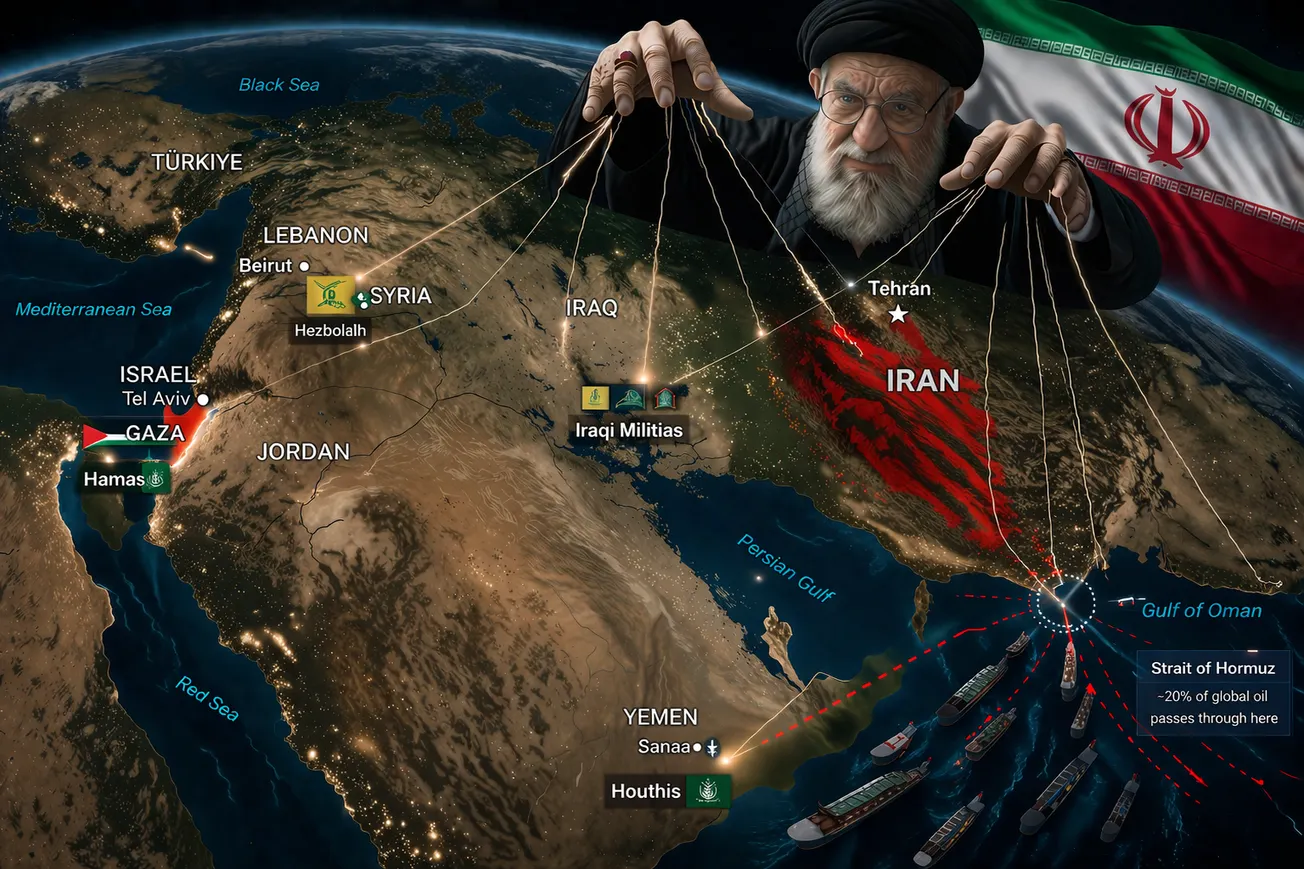
As the Iranian regime totters, it’s trying just as desperately to control information, and failing. Its attempt to black out the nation’s internet was stymied as, once again, Elon Musk’s Starlink provided free satellite internet to the citizens of a beleagured nation. The Starlink signal was later blocked, reportedly by China, but the company is working around the clock to break the digital blockade.
The extent of its deadly crackdown on the current waves of protests can only be guessed at. Early estimates suggested between 500 and 600, while now reports are suggesting there are up to 12–20,000 dead. Meanwhile, some damning video evidence is filtering out.
Videos making their way past Iran’s internet blackout circulated over the weekend, revealing harrowing scenes from earlier in the week. People tried to identify their loved ones among dozens of bodies inside warehouse-like rooms and on the ground outside the forensics center – casualties of Iran’s latest spate of heavy-handed crackdowns on dissent. Mass anti-government protests triggered by deteriorating economic conditions have gripped the country, presenting the Iranian regime with its biggest challenge in years.
Video obtained by CNN show a crowd of people gathered in front of a monitor that displays photos of deceased individuals as their loved ones crowd around, trying to identify them. According to information seen on the screen and images received by the US-based Human Rights Activists News Agency (HRANA), around 250 bodies are estimated to be at the facility.
Another clip, from the forensic facility, shows black body bags lined up on a walkway outside the building, with people gathered around. Some bodies are scattered across what appears to be the facility’s courtyard. Others lie on unpaved ground. Some are just feet away from parked cars, as families frantically search for the remains of their loved ones.
Activist groups say there are so many bodies that they’re being lined up in the courtyard. Another video shows a warehouse used as a makeshift morgue, with bodies in black bags laid in rows on the floor and on metal tables.
As authoritarian regimes will, the Khomeinists are telling us to not believe our lyin’ eyes.
Iranian state media acknowledged the grim scenes at the medical facility but insisted that the bodies seen are mostly those of “ordinary people” – bystanders who got dragged into the protests. The state media blamed their deaths on “rioters.”
The state-affiliated Tasnim News Agency and Student News Agency posted a video with scenes from the vicinity of the forensics center. The state media reporter says he was at the medical examiner’s office and spoke to families. The video shows his conversations with grieving loved ones who tell him their relatives were not protesters and were not inclined to protest.
One bereaved man sitting on the floor beside a body in a black bag tells the state media reporter in tears that his loved one was hit in the head with a rock thrown by an unknown person from the top of a building. The man says his loved one was pro-government.
Just ignore the Revolutionary Guard with AK-47 standing just outside of frame.
The reports reflect a concerted effort by the Iranian government to blame protesters for the violence in the country and warn others against joining the demonstrations. With Iran’s history of violent repression at the hands of state security forces, and accounts emerging from the country over the past few days, rights groups say the evidence outweighs any counter-narrative from the government.
The Iranian authorities are responsible for the deaths and injuries of bystanders at the protests, said Michael Page, deputy director of Human Rights Watch’s Middle East and North Africa division.
Meanwhile, eyewitness testimony paints a very different picture than the state media. Eyewitnesses have told Western media that Iranian security forces have responded to protests with deadly force.
It’s believed more than 10,000 have been arrested, in the wave of revolt. While unrest has simmered since Mahsa Amini died in late 2022, after being arrested for refusing to wear a hijab, tensions have escalated over the past year. Israeli military strikes demolished the Iranian Revolutionary Guards’ aura of invincibility by showing that even the highest-ranking officials were not safe. Oil sanctions have devastated the country’s economy and an explosion at a regime-own facility crippled its major export port.
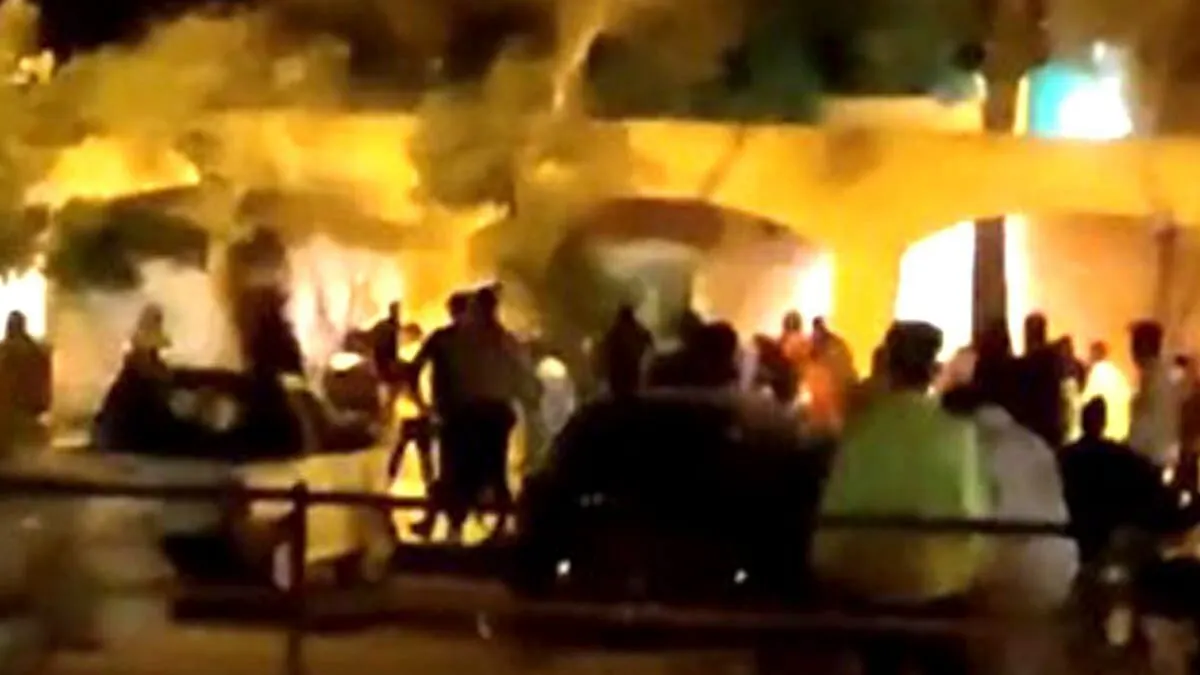
Protests exploded last month. Recent leaked video apparently showed protesters storming the Ayatollah’s compound. Rumours are rife that the Ayatollah is preparing to flee to exile in Russia.
Meanwhile the son of the last Shah, Crown Prince Reza Pahlavi is openly vowing to return from exile soon.