Table of Contents
Hugh Devereux-Mack
Public spokesperson, Council of Licensed Firearm Owners
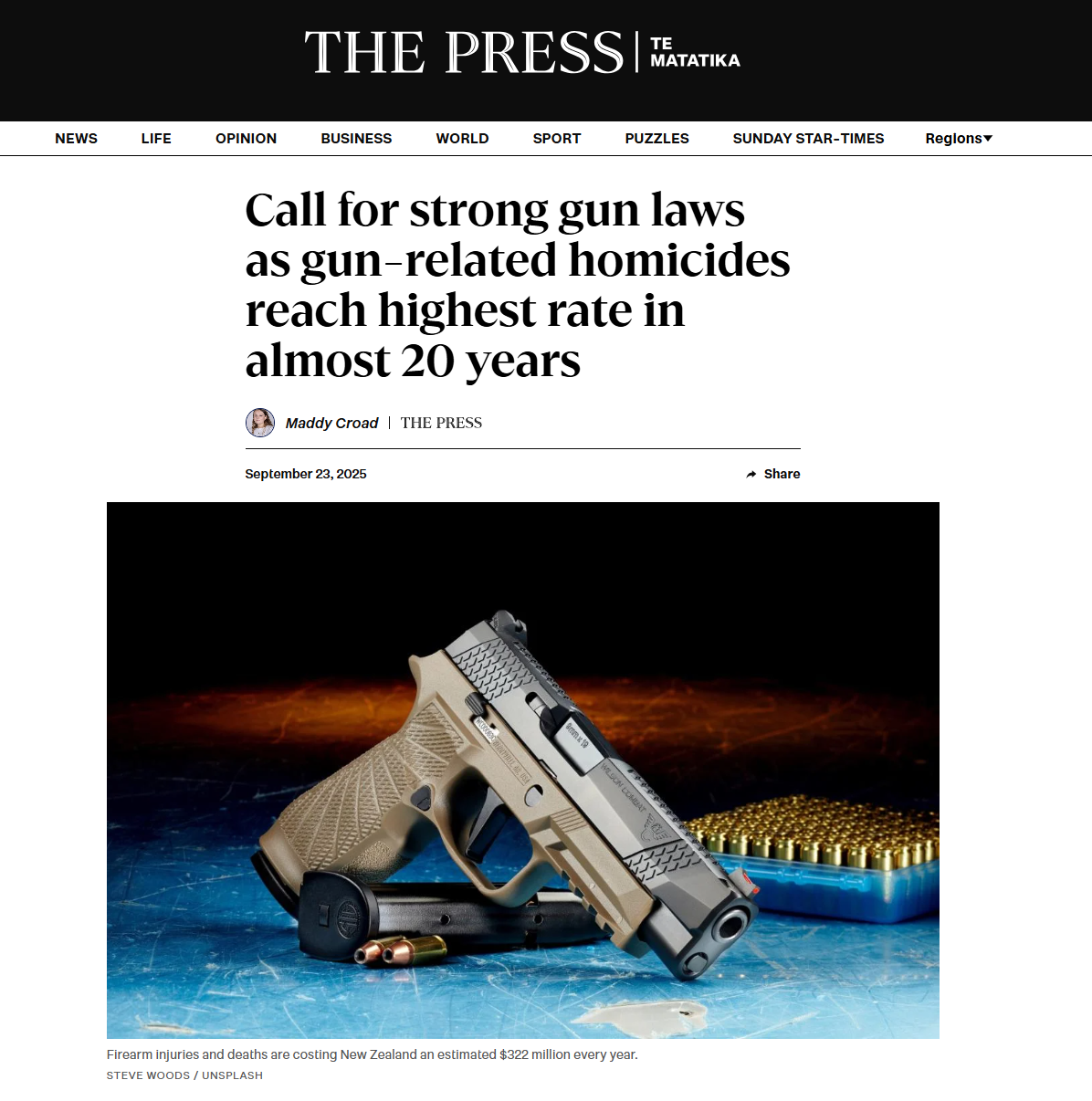
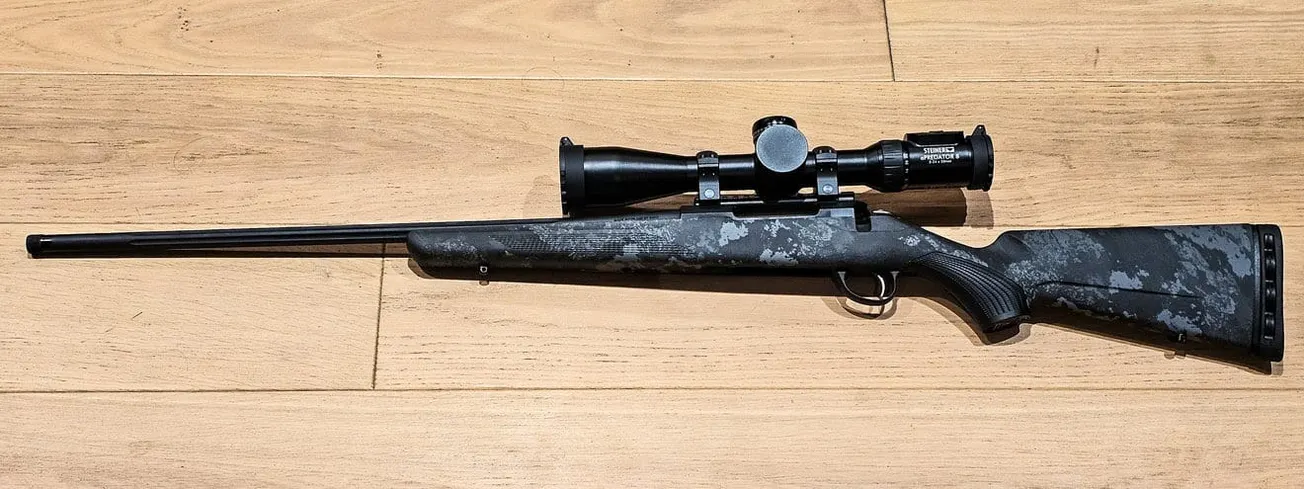
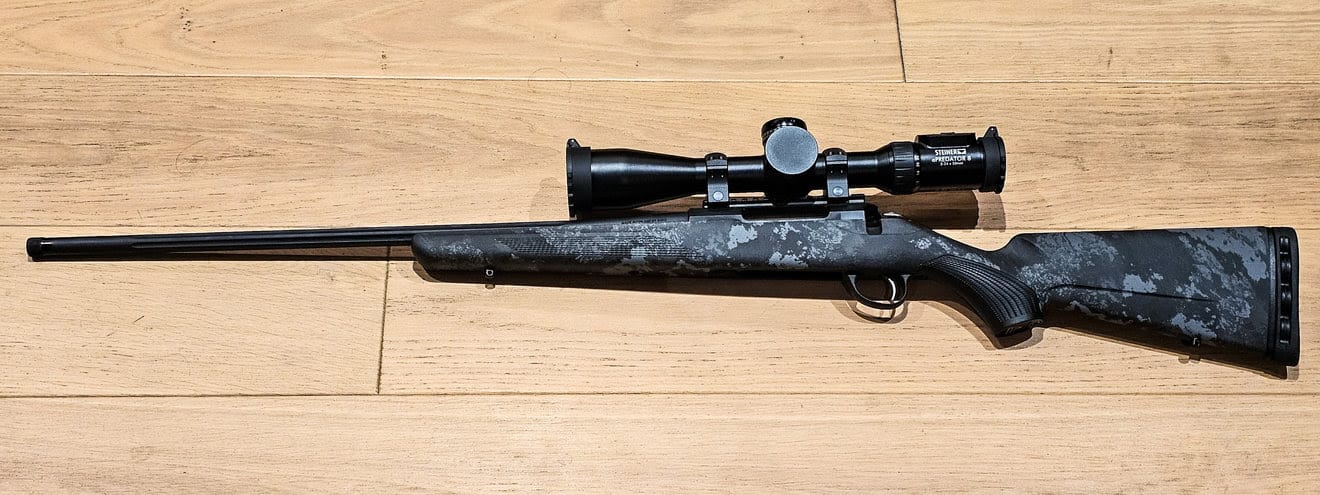
It’s Wednesday night and I’ve just wasted my evening trying to register my new Tikka T3X in 7mm PRC. The national firearms registry says my rifle doesn’t exist. Then I see a Public Health Communication Centre (PHCC) briefing on Facebook, hyped by the Press, screaming that firearms cost NZ $322 million a year and demanding stricter laws over “skyrocketing homicides”. Really? How will clamping down on me stop gangs with unregistered guns? Maybe they’re stuck in the same broken registry mess trying to register their PRCs...
PHCC, backed by Gun Control NZ and Otago academics like Dr Lucy Telfar-Barnard, colleague of Gun Control NZ’s founder who once dismissed facts outright, pushes a 2024 Annals of Internal Medicine study claiming $321 million in “lost life-years” (mostly suicides) and $1.48 million in hospital costs.
It’s a scary number to motivate the public to call for bans, not safety. If they cared about lives and costs, they’d target falls, which crush firearms in harm and expense. Instead, they scapegoat New Zealand’s 240,000 law-abiding gun owners like us. This isn’t policy, it’s politics, and we all need to start caring about it.
Firearms Harm: A Tiny Slice of the Problem
The PHCC study (2000–2023) brags about 1992 reforms cutting firearm suicides from 30 to under 10 per million by 2018, but frets over doubled assault hospitalizations since 2014. It flags higher risks in Māori and Pacific communities, but ignores that these stem from illegal guns and gangs, not my Tikka. It lumps lawful and criminal firearm use together, as if they’re the same. Because to them, there isn’t a difference.
Newsflash: No law stops criminals who ignore laws. Plus, firearm suicides have been consistent at ~10 per cent of total suicides for the last two decades, so more laws won’t dent that.
ACC data tells it straight: firearm injuries cost $30 million yearly for 400–500 claims, peanuts against ACC’s $5 billion-plus levy. Sports-related accidents (hunting, shooting)? Just 60 per year (2000–2018), or 1.0 per 1,000 participants, 376 times lower than rugby’s 376. Fatalities? Four yearly in firearm sports vs 405 road deaths or 1.5 in rugby.
The $322 million is mostly suicides, which bans don’t fix, Japan’s strict laws prove that. Gang-driven homicides are the real issue, yet I’m stuck wasting hours with a dud registry, wondering if $322 million is a crisis, what about the real heavyweights?
Falls: The Ignored Billion-Dollar Killer
PHCC and Otago should focus on falls, New Zealand’s top injury culprit. ACC says slips, trips, and falls make 39–42 per cent of claims, costing $1.1 billion yearly, triple the PHCC’s gun figure. In 2024, falls drove 35 per cent of serious claims, hitting one-in-three over-65s (one-in-two by 80). Ladder falls cost $17 million last year, severe cases $120,000-plus.
Falls kill ~3,000 elderly annually, dwarfing gun suicides, yet no one bans stairs or demands ladder licenses. Roads: $1.5-2 billion, 80,000 injuries, 405 deaths. Rugby: 52,600 injuries, $100 million-plus. No bans there, just fixes. Firearms get the headlines because it’s political, not rational.
Otago’s Hypocrisy: Fixes for Falls, Bans for Guns
Otago’s own Otago Exercise Programme cuts fall risks by 35–40 per cent with simple exercises, saving millions without bans. Ladder safety? Training and stabilizers, no registries. But for guns, Otago’s Gun Control NZ ties push prohibition, ignoring 1992 and 2019 laws’ success on suicides. No ‘ladder licenses’ for falls’ $1.1 billion toll, but guns get hammered. It’s clear: empowerment for daily risks, bans for firearms.
Real Fixes, Not Bans
With the new Arms Act looming, PHCC’s fearmongering is a ploy to pressure the National Party into caving. COLFO backs training, outreach, and better data, not blanket bans. If PHCC applied their fall logic to guns, education over restriction, lives would be saved.
New Zealand deserves fair policies, not scapegoating. Licensed owners like us drive safe hunting, pest control, and sport. Join COLFO to fight unfair bans, because safety comes from evidence, not outrage.