Table of Contents
Scott Harrison
Scott is an IT professional and father, he’s passionate about free speech, religious freedom, and parental rights.
When Pam Bondi, Kash Patel, and Dan Bongino spent years demanding transparency on the Jeffrey Epstein files, they built their political brands on a simple promise: trust would be earned through openness, not demanded through authority.
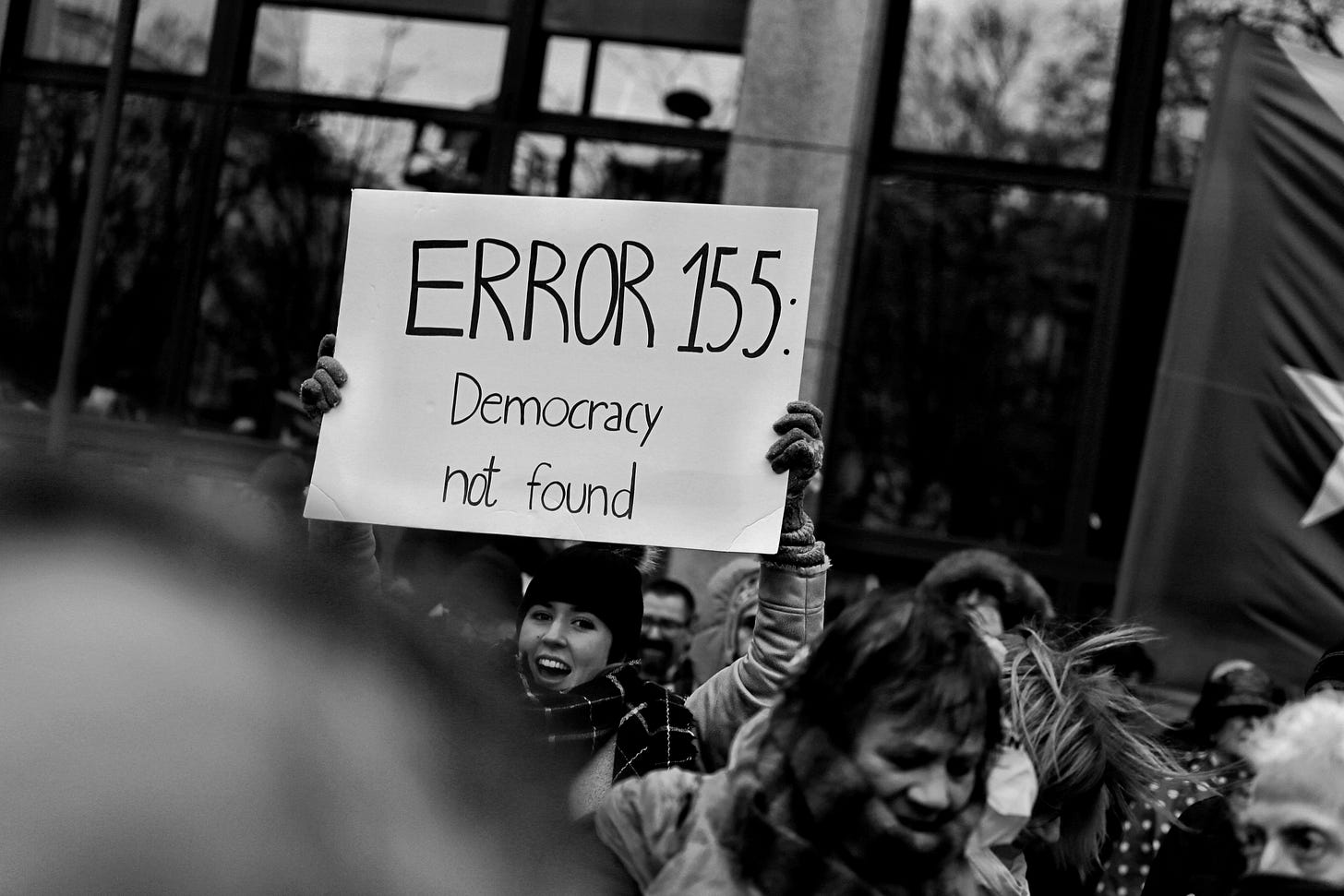
Yet within months of gaining power, these same officials adopted the classic government position – asking citizens to simply ‘trust us’ while providing no evidence to support their dramatic reversal on Epstein disclosure.
This isn’t just American hypocrisy: it’s a pattern destroying democratic societies worldwide. And Australia is leading the charge toward institutional secrecy that breeds the very extremism governments claim to fight.
The Epstein controversy reveals what happens when ‘the last honest institution’ adopts the same secrecy posture it once criticised. Trump supporters who believed this administration would restore transparent governance instead discovered their champions had become gatekeepers of the very secrets they had demanded be revealed. The predictable result? When Trump defended his appointees on Truth Social, he was ratioed on his own platform – the first time this had ever happened.
When transparency advocates become defenders of secrecy, it doesn’t just represent policy failure – it validates the most pessimistic views about democratic institutions and pushes citizens toward extra-institutional solutions.
If Americans think they have transparency problems, they should examine Australia’s systematic culture of deception. From Dan Andrews’ Covid curfew lies to the sports rorts cover-up, Australian governments have perfected the art of endorsing openness while governing through secrecy.
When government becomes synonymous with deception, extremism becomes the predictable response.
The Victorian curfew scandal provides the perfect case study. When Andrews imposed Melbourne’s unprecedented 8pm–5am curfew in August 2020, he claimed it was based on expert health advice. For 4.5 years his government spent hundreds of thousands fighting freedom of information requests to hide one simple truth: there was no health advice. Internal emails revealed the curfew was a cabinet political decision, with health officials scrambling to create post-facto justifications.
Dr Finn Romanes, the Public Health Commander, frantically emailed Chief Health Officer Brett Sutton on the day of announcement: “The idea of a curfew has not arisen from public health advice in the first instance... the action of issuing a curfew is not occurring on public health advice but is a decision taken by cabinet.”
The most restrictive peacetime measure in Australian history was imposed through deception, then protected through a systematic campaign of secrecy designed to avoid political embarrassment rather than protect any legitimate public interest.
This pattern is repeated across Australian politics. Scott Morrison’s sports rorts affair used false cabinet confidentiality claims to hide colour-coded spreadsheets showing electoral targeting of grants. The Robodebt scheme systematically suppressed legal warnings that the program was illegal, leaving unfavourable advice in draft form to avoid acting on it. Anthony Albanese promised “a big dose of Australian sunshine” but continued prosecuting whistleblowers and maintaining National Cabinet secrecy.
Politicians know government secrecy breeds the extremism they purport to protect us from. They understand that demanding trust while providing no transparency creates the conditions for radicalisation. They simply don’t care. Short-term damage control trumps long-term democratic stability every time.
Citizens who discover their ‘transparency champions’ have become secrecy defenders experience a particularly damaging form of betrayal. It’s not just broken promises – it’s validation that the entire system is rigged against accountability. This drives people toward conspiracy theories, fringe media and eventually toward movements that reject democratic institutions entirely.
Australia’s declining transparency rankings tell the story. From seventh place in 2012 to 18th in 2021 on international corruption indices, Australia has developed what experts describe as potentially “the world’s most secretive democracy.” With 875 secrecy offences across various laws, FOI processing times averaging 192 days, and costs exceeding $2,500 per request, the system operates as a barrier to accountability rather than a facilitator of it.
Australian governments have perfected the art of endorsing openness while governing through secrecy.
This institutional failure creates a feedback loop: as trust in official institutions declines, citizens turn to alternative information sources, many of which promote conspiracy theories and extremist ideologies. The government responds with more secrecy to avoid embarrassment, further accelerating trust degradation.
Officials will always find ways to justify hiding embarrassing information –intelligence classifications, cabinet confidentiality, legal stonewalling. The pattern is clear: promise transparency to gain power, then cite ‘better information’ to justify secrecy once in office.
Citizens face a choice: accept the ‘trust us’ model destroying democratic accountability or demand structural reforms that make transparency the default rather than a political promise to be abandoned when convenient.
The cost of continuing down the secrecy path isn’t just hidden information – it’s radicalised citizens who lose faith in democratic institutions and the social cohesion that holds societies together. When government becomes synonymous with deception, extremism becomes the predictable response.
Democracy requires informed citizens to function. When governments systematically deny the information needed for accountability, they’re not protecting democracy – they’re destroying it.
This article was originally published by Liberty Itch.