

Yvonne van Dongen
Veteran NZ journo incredulous gender ideology escaped the lab. Won’t rest until reality makes a comeback.
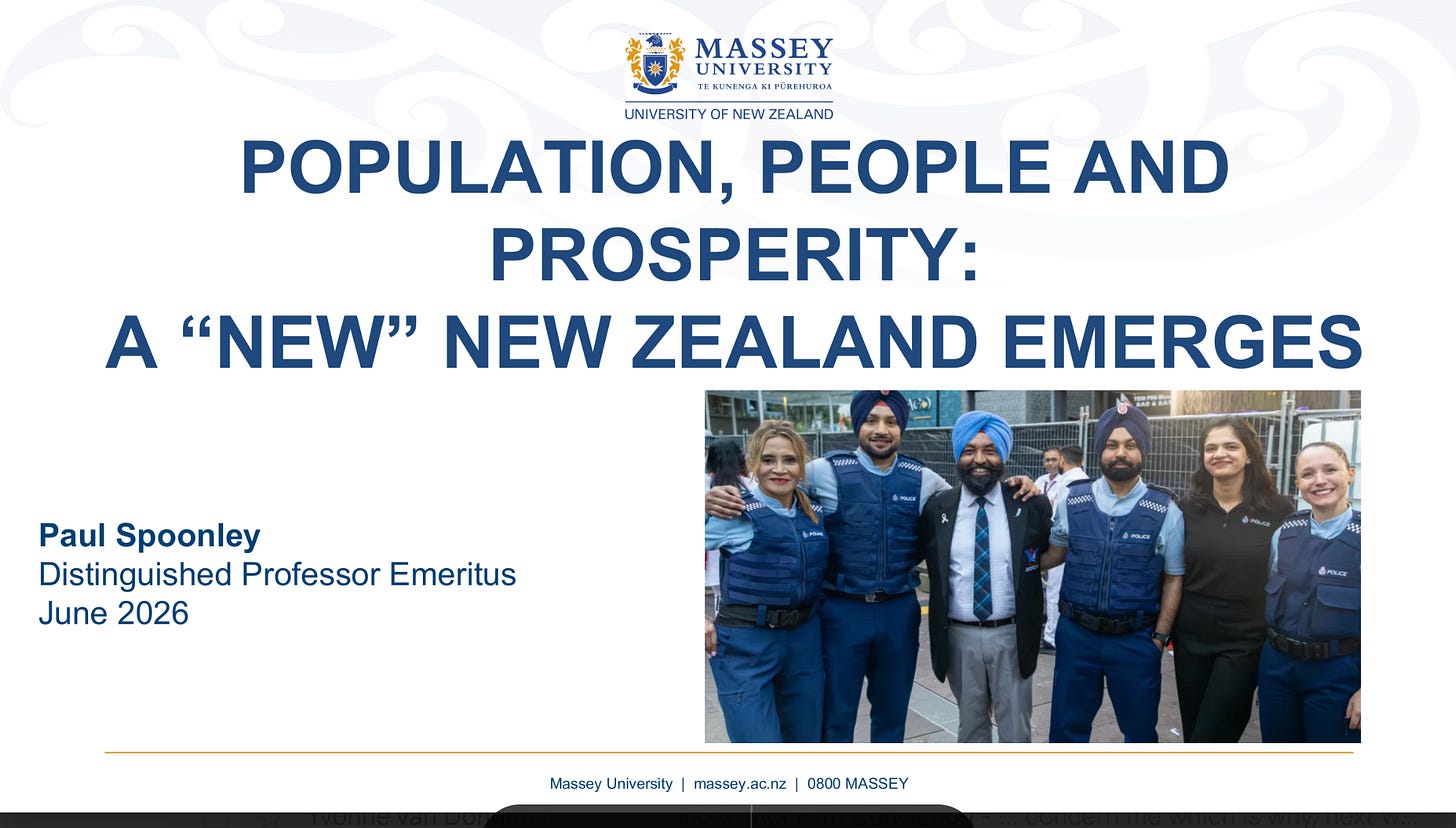
Last week I went to a talk on demographic change in New Zealand given by Prof Paul Spoonley and hosted by ACT leader David Seymour in Auckland.
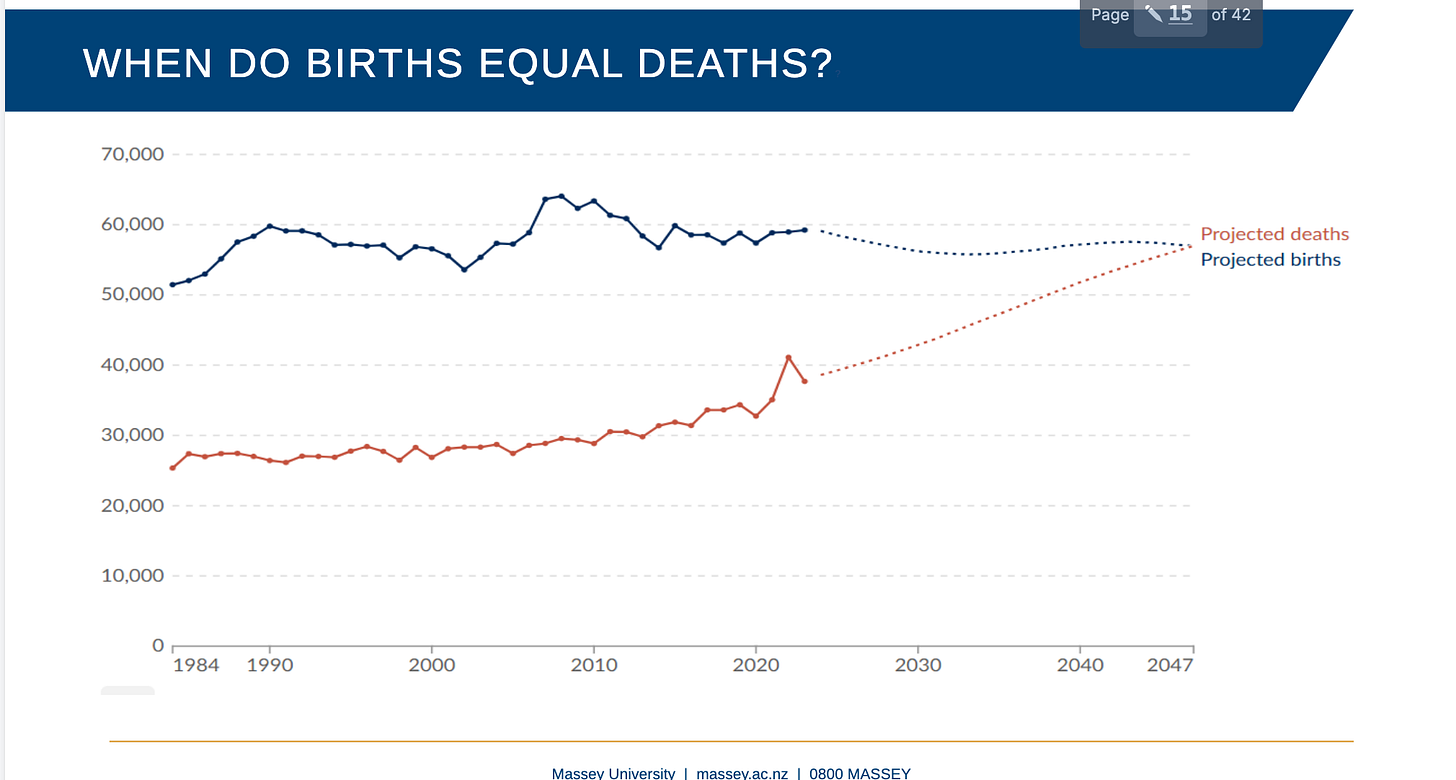
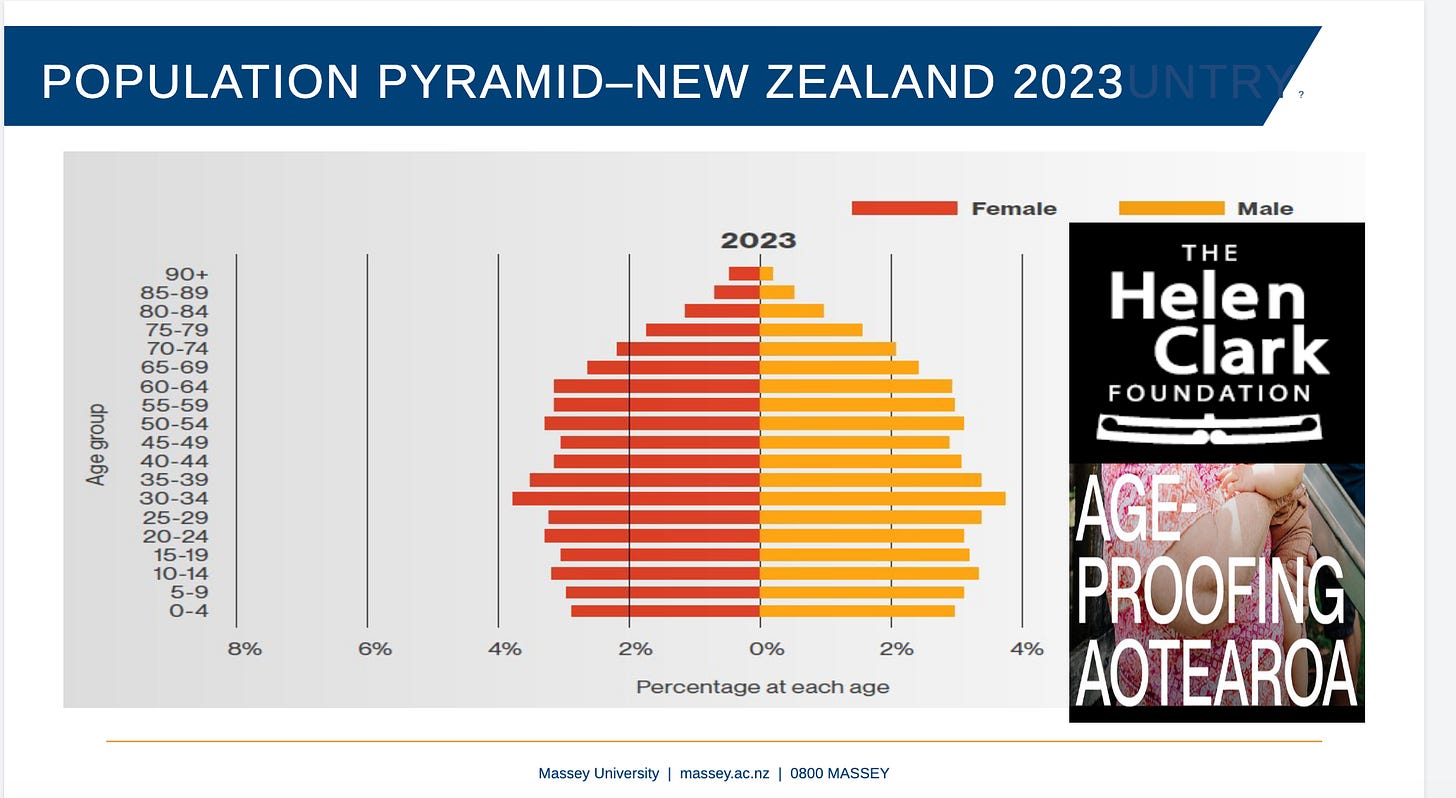
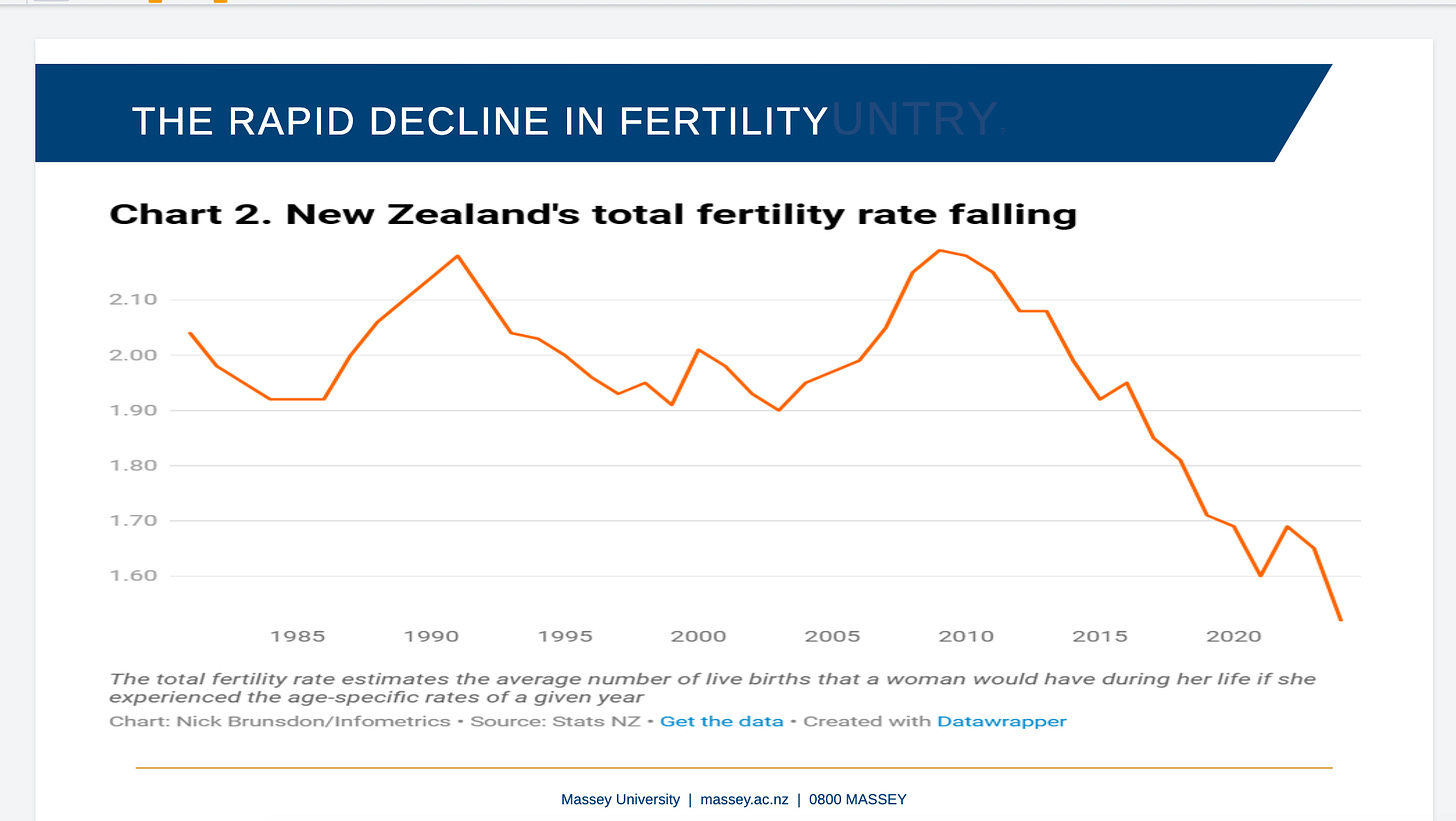
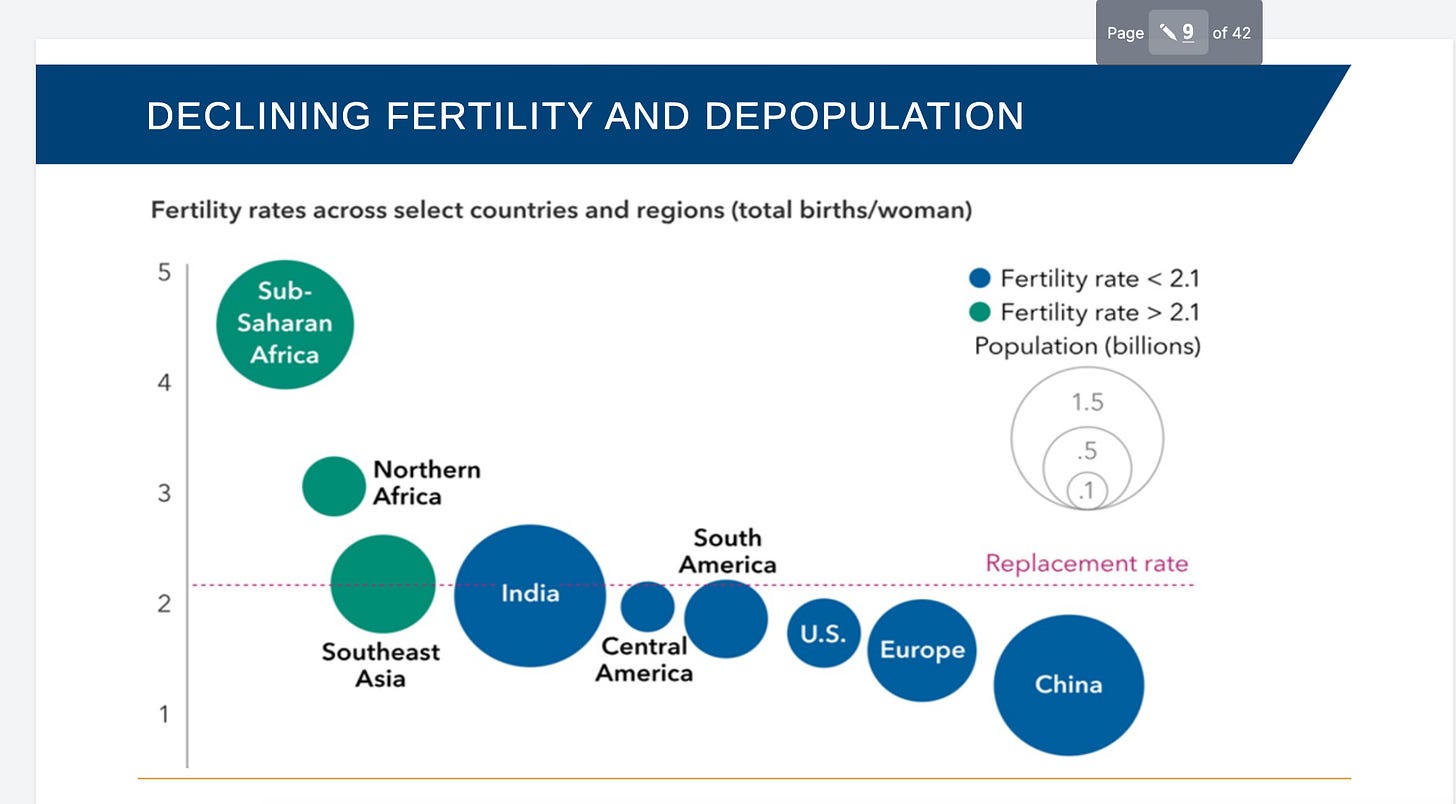
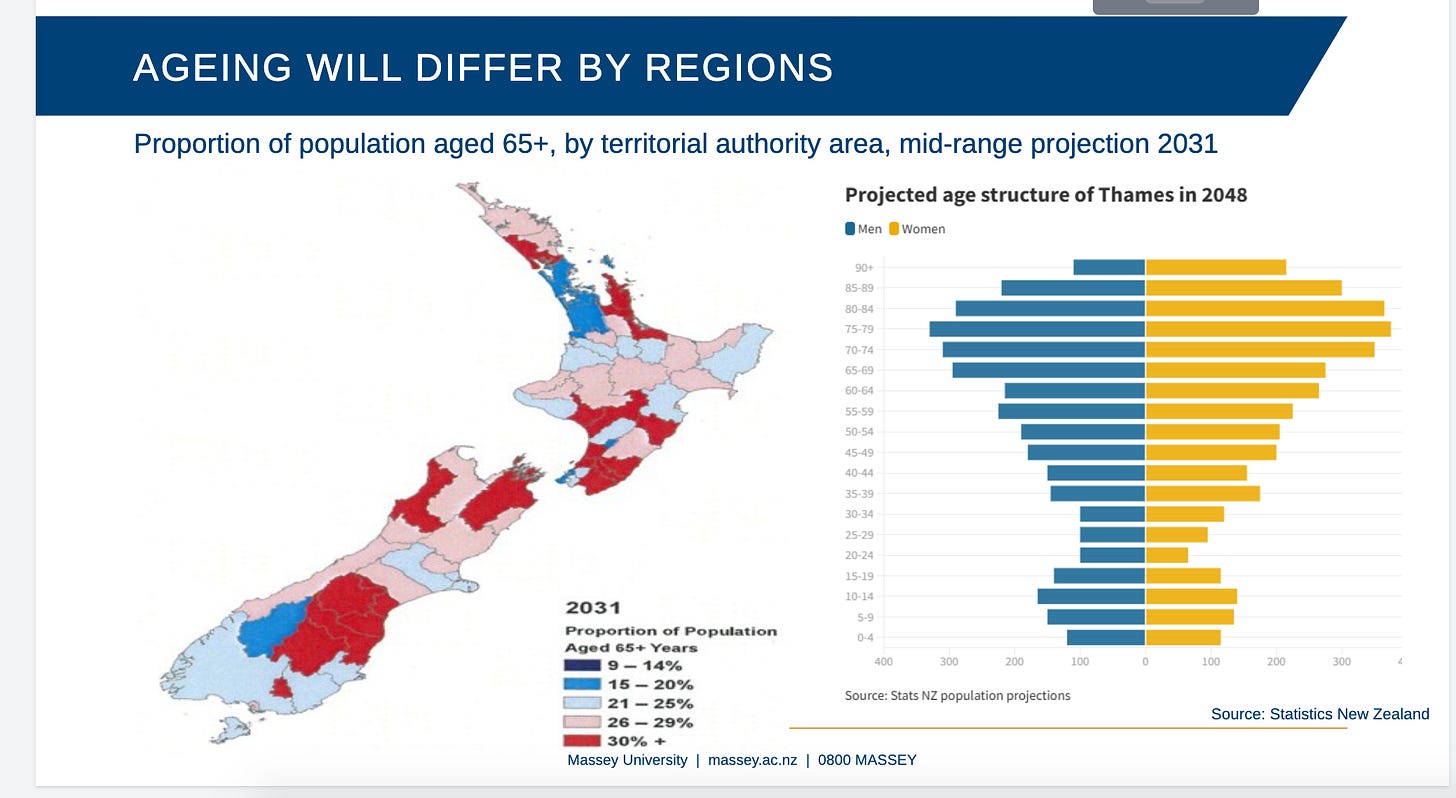
It was more of a data dump than anything, with Spoonley speaking to numerous graphs showing how much we had changed and would continue to change from a largely Anglo-Polynesian host population to an increasingly Asian nation. That change was kick-started by the Labour government in 1987 which swapped out the preference for migrants from the Anglosphere for the points system. Some of the graphs from the talk are shown below.
The timing of the talk was fortuitous since it was also the week that the European parliament passed a major overhaul of its migration policy apporoving stricter deportation rules and allowing member states to establish asylum centers in countries outside the bloc.
Across the ditch in the same week the leader of the unexpectedly popular political party, One Nation, Pauline Hanson gave a speech in which she argued that multi-culturalism had failed (she also gave a big serve to the trans agenda too, bless her).
“We cannot be a multicultural society. We are a multiracial society, but we must be monocultural. Australians must live under the one cultural umbrella.”
She described multiculturalism as leading to division (a “country of tribes” in some coverage) and pushed for stronger assimilation, including better English language requirements for migrants.
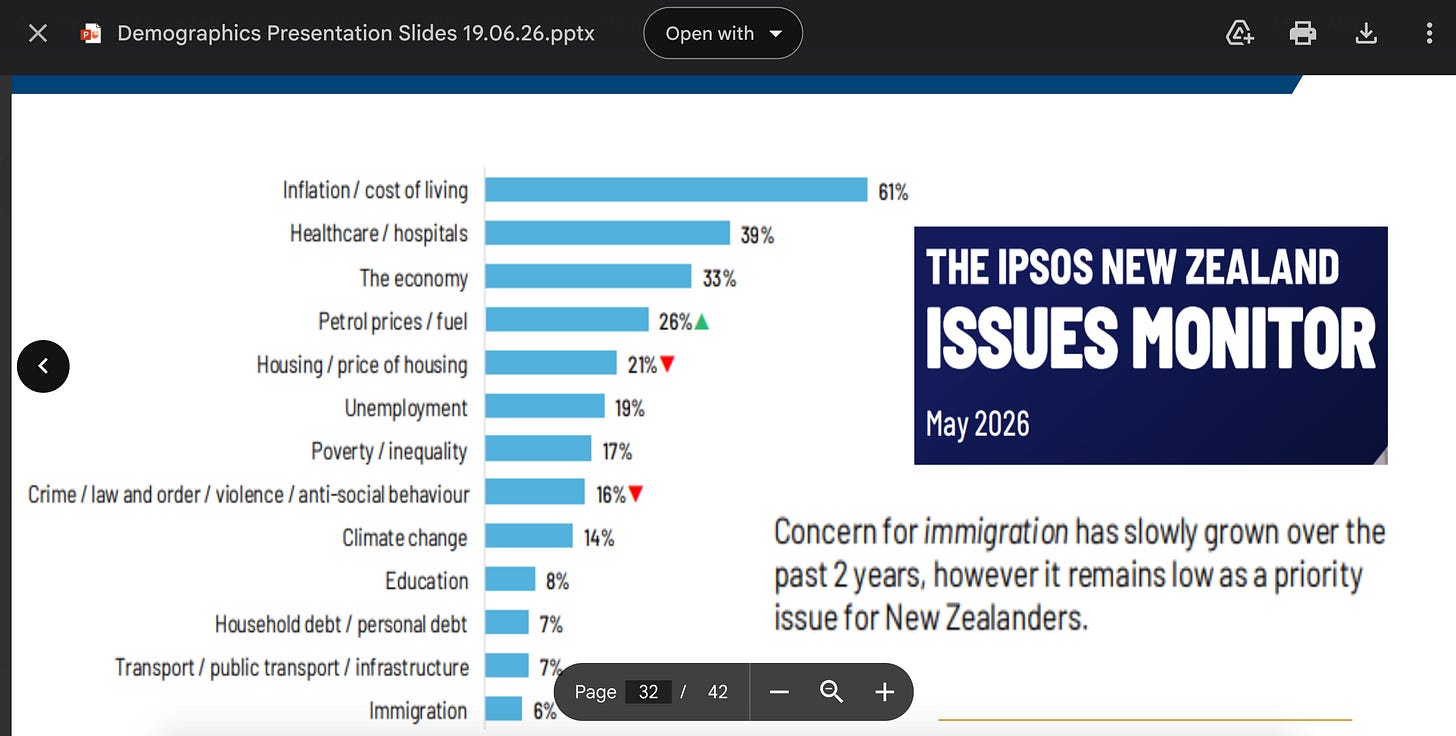
Her concerns about the social impact of immigration in Australia are echoed in Europe, the United Kingdom and the United States, but not, it seems, in New Zealand. One of Spoonley’s graphs showed that immigration is way down the list of concerns for New Zealanders.
Nevertheless, the Remuera Bowling Club, where the demographic change meeting was held, was packed to the gunnels. The audience was mainly retired boomers, it being a Friday morning, which would either indicate these people are desperate for entertainment or, more likely, that they are at the very least, curious about their changing country.
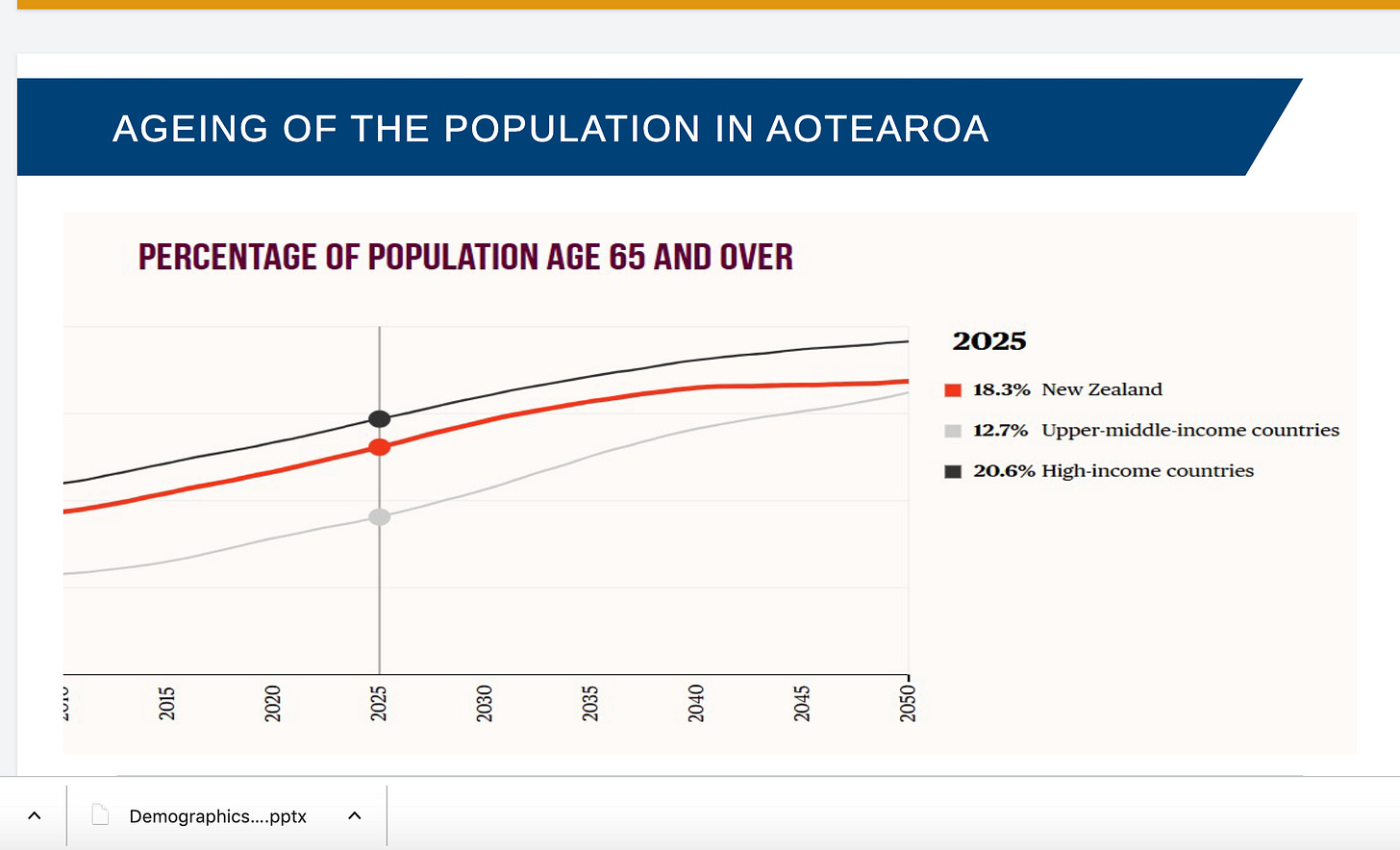
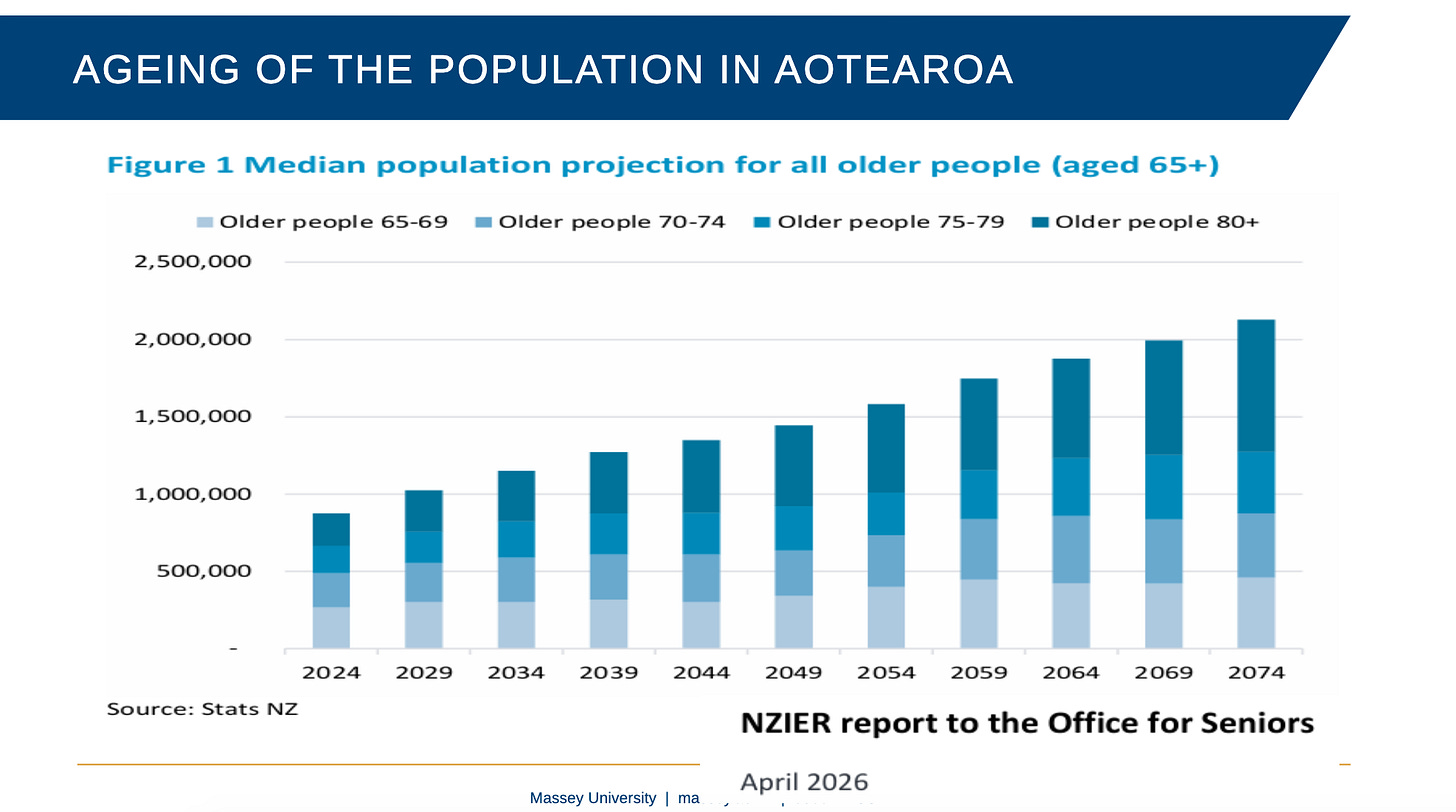
Boomers might be ageing out but they cannot be ignored, given that they are such a large cohort. By 2045 a quarter of the population will be over 65. Also predicted here and elsewhere around the world is ever declining fertility, a youth and skills shortage plus a shrinking tax take threatening the viability of the welfare system, most particularly payments to pensioners.
The changes are particularly noticeable in Auckland, where over 43 per cent of residents are born overseas. Spoonley told us that Auckland is the fourth most diverse city in the world and that the number of children born to migrants here is double that of New York or London.
Given the looming changes, Spoonley argued that New Zealand needs a population strategy. That sounds eminently sensible. My only quibble is that I’m old enough to remember previous future shock demographic scares that look silly now.
For instance, teenage pregnancies were once the scandal of the nation. During New Zealand’s peak teenage birth period in the 1970s, the country had one of the highest teenage pregnancies rates among developed/OECD nations.
Fast forward 50 years and New Zealand now has more births by women over 40 than those under 20. The spike in teenage pregnancies is a thing of the past.
As well, for decades, we were fed horror stories about a swelling global population we would be unable to feed. While the global population is still rising, the new concern is demographic collapse as nations throughout the world grapple with declining fertility.
New Zealand, like many Western nations, appears to be backfilling any skills gap with migrants. It’s a quick, easy fix but in many respects it is a kind of Ponzi scheme. Those migrants often bring elderly parents requiring care and the migrants themselves will eventually need looking after thus requiring more migrants to look after them – and on it goes. Go to any medical clinic in Auckland and look around. The number of migrants, often with translators since they don’t speak English, almost always outweighs residents.
In any event, since none of us know what the impact of AI and technology will be, it is possible we may not need so many people in the future.
This article was originally published on the author’s Substack.






![[The Good Oil] Stuff Up of the Day](https://storage.ghost.io/c/31/f4/31f4e20a-0315-499e-83ff-139e8eab53bf/content/images/size/w1304/format/webp/2024/09/Stuff-up-image-1.webp)
