Table of Contents
Summarised by Centrist
Foreign Minister Winston Peters has accused the Broadcasting Standards Authority (BSA) of overreach after it signalled plans to extend its powers from television and radio to online platforms.
The backlash follows revelations that the BSA, in a draft decision, claimed jurisdiction over a complaint against new media site The Platform founded by Sean Plunket.
A listener objected to Plunket’s comments calling tikanga Māori “mumbo-jumbo”.
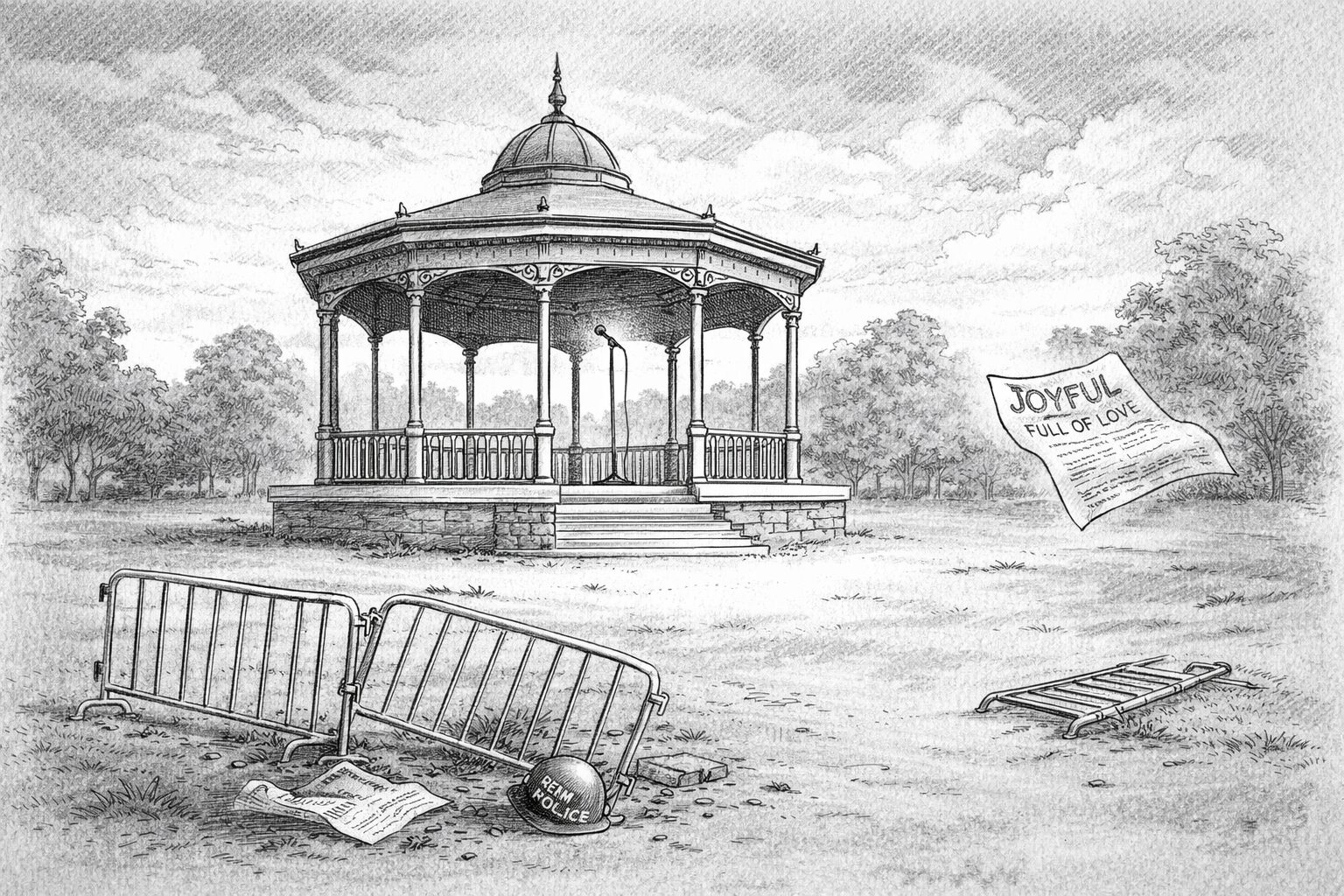
Critics say the BSA’s actions could threaten free speech and media independence.
Peters called the BSA’s actions “Soviet era stasi” behaviour, questioning its legal authority to expand its remit through what he described as “secret meetings.”
“Can the BSA please tell us what the legal basis is for their recent outrageous action?” he said.
The BSA’s draft ruling suggested that online video content could fall under its authority if it “resembles a traditional TV or radio station.”
BSA chief executive Stacey Wood defended the agency’s position, calling some reactions “hysterical” and denying any intention to censor online speech. “Our view is that online broadcasting that resembles a traditional TV or radio station falls within our existing jurisdiction,” she said.
Pollster David Farrar says the BSA should be abolished.
“For many years I have actually advocated that we don’t need two media regulators – the Media Council (print, online, industry appointed) and the BSA (broadcast, powers to censor and fine, Govt appointed). Once upon a time broadcast media was much more powerful than other media, but no longer,” he wrote.
Deputy Prime Minister David Seymour said Parliament never gave the BSA a mandate to police the internet, calling its move “a brave reinterpretation of its own job description.” ACT MP Todd Stephenson described it as “a textbook example of bureaucracy expanding itself without democratic consent.”
Loading...