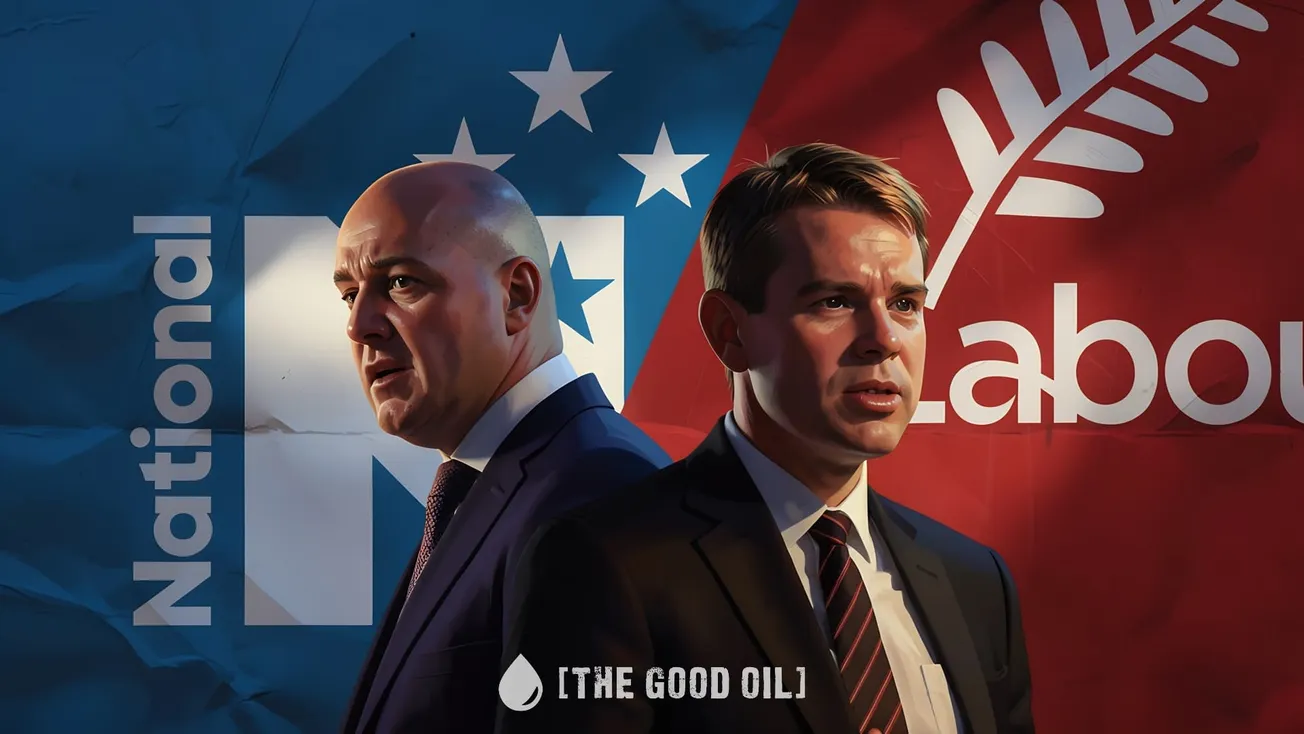
This is edition 2025/153 of the Ten@10 newsletter.
Hi all,
This is the Ten@10, where I collate and summarise ten news items you generally won't see in the mainstream media.
Enjoy!
1. The Hollow Party
Chris Trotter
- 🏛️ Helen Clark’s Rise – Helen Clark strategically positioned herself as Labour’s leader after Mike Moore’s failure in 1993, becoming a highly intelligent, politically savvy figure who led Labour for 15 years and served nine as Prime Minister.
- 🥇 Labour’s Dependence on Clark – Clark’s leadership delivered stability but came at a cost: she failed to groom a successor, leaving Labour with Phil Goff after her 2008 defeat to John Key.
- ⚔️ Years of Turmoil – Following Clark’s exit, Labour endured nine years of leadership churn and ideological drift, going through five leaders before Jacinda Ardern’s rise in 2017.
- 🎤 Ardern’s Communication Strength – Ardern, not an intellectual but a natural communicator, initially inspired New Zealanders, leading Labour to govern alone in 2020 during the Covid-19 pandemic.
- 📉 Pandemic Fallout – As Covid-19 evolved and Labour’s response faltered, Ardern’s popularity declined, leading to her resignation and Chris Hipkins’ elevation to leadership in early 2023.
- 🏛️ The Troika’s Ascendancy – Grant Robertson, Chris Hipkins, and Jacinda Ardern formed a powerful faction within Labour, sidelining Left-leaning policies on state ownership, higher taxes, and unions, while embracing identity politics.
- 🗳️ Internal Power Struggles – Despite dominating caucus, the Troika faced tensions with Labour’s grassroots, especially after leadership elections twice rejected Robertson in favour of David Cunliffe (2013) and Andrew Little (2014).
- 🧩 Strategic Centralisation – The Troika gradually eroded party organisation independence, centralising control over policy, candidate selection, and Party List rankings, consolidating power within caucus.
- 🔄 Hipkins’ Policy U-turns – As leader, Hipkins abandoned unpopular progressive reforms and rebranded Labour around “bread and butter” policies, but retained identity politics priorities, alienating many voters.
- 📊 Crushing Electoral Defeat – In 2023, Labour secured just 26.91% of the Party Vote, close to its 2014 low under Cunliffe. Despite the loss, Hipkins stayed on without challenge, signalling a lack of internal accountability.
- ⚖️ Labour’s Identity Crisis – Labour struggles to balance traditional values with voter expectations, with Middle New Zealand increasingly rejecting identity-driven politics while craving pragmatic leadership.
- 🔄 Return of Helen Clark? – The essay suggests Labour urgently needs a leader like Clark again: someone principled, courageous, and able to reconnect with Middle New Zealand’s priorities.