
This is edition 2026/013 of the Ten@10 newsletter.
Hi all,
This is the Ten@10, where I collate and summarise ten news items you generally won't see in the mainstream media.
Enjoy!
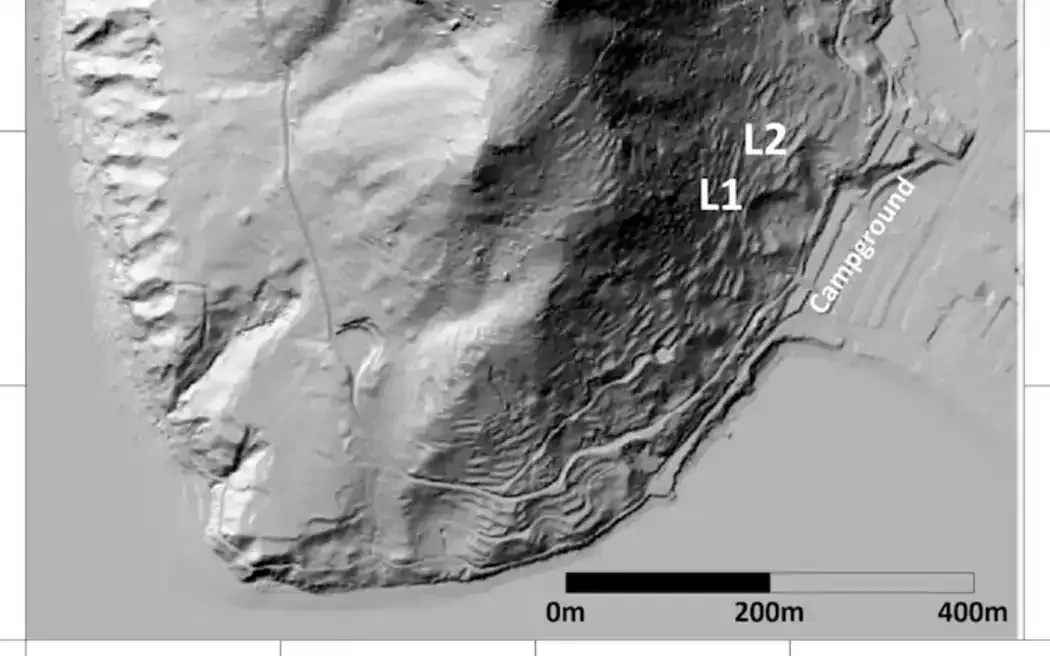
How Authorities failed campers at Mount Maunganui
Bryce Edwards
- 🕯️ Systemic failure, not bad luck: Six deaths at Mount Maunganui followed repeated emergency management breakdowns over four critical hours, exposing deep, long-standing flaws rather than an unforeseeable tragedy.
- ⏰ Warnings ignored: Multiple early alerts from campers and locals between 5am–8am were mishandled, misdirected, or not acted on, with no evacuation ordered before the fatal landslide at 9:30am.
- 📞 Fragmented emergency response: Calls to 111, Police, Fire and Emergency, and Council were siloed, logged incorrectly, or lost between Contact Centres and Emergency Operations, leaving no one with authority to act.
- 🚫 Known risk, no action: Mount Maunganui has a documented landslide history over a century, with explicit warnings since at least 2005 not to build or house people in runout zones—advice that was ignored.
- 🏕️ Hazard maps that excluded people: Recent landslide studies flagged the mountain’s danger but stopped short of including the holiday park, suggesting tourists were left out of risk assessments applied to ratepayers.
- 🧠 Geological blind spot: Landslides are New Zealand’s deadliest natural hazard, killing more people than earthquakes, yet remain under-researched and poorly planned for nationwide.
- 🧑🔧 Outsourcing hollowed out expertise: Councils shed in-house geotechnical specialists from the 1990s onward, relying on consultants without retaining institutional knowledge or decision-making capacity.
- 🏛️ Underfunded local government: Councils carry growing climate and hazard risks without adequate funding, staff, or national regulatory support, making failures almost inevitable.
- 🧩 No “common operating picture”: New Zealand still lacks an integrated disaster information system to escalate life-or-death warnings quickly to decision-makers with evacuation authority.
- ⚠️ Operational errors are symptoms: Focus on frontline mistakes risks scapegoating individuals instead of confronting decades of political and policy choices that weakened the system.
- 🔍 Inquiry must go deeper: While Police, WorkSafe, the coroner, and Council reviews are underway, only a strong central government inquiry can examine science, mapping, funding, governance, and national frameworks.
- 💰 Resilience funding rolled back: The $6b National Resilience Plan was dismantled, raising questions about where investment in hazard mapping, warning systems, and adaptation actually went.
- 🌧️ Climate change intensifier: Extreme rainfall linked to warming climates is now the norm, increasing landslide risk and making under-prepared systems even more dangerous.
- 📊 Public ahead of politicians: Polling shows most New Zealanders want stronger climate action, while confidence in government response remains low.
- ⚖️ Reform or repeat: Without serious reform—proper funding, in-house expertise, comprehensive hazard mapping, integrated emergency systems, and honest climate adaptation—future tragedies are inevitable.