
This is edition 2026/046 of the Ten@10 newsletter.
Hi all,
This is the Ten@10, where I collate and summarise ten news items you generally won't see in the mainstream media.
Enjoy!
1. The hard questions behind Southland’s AI factory
Bryce Edwards
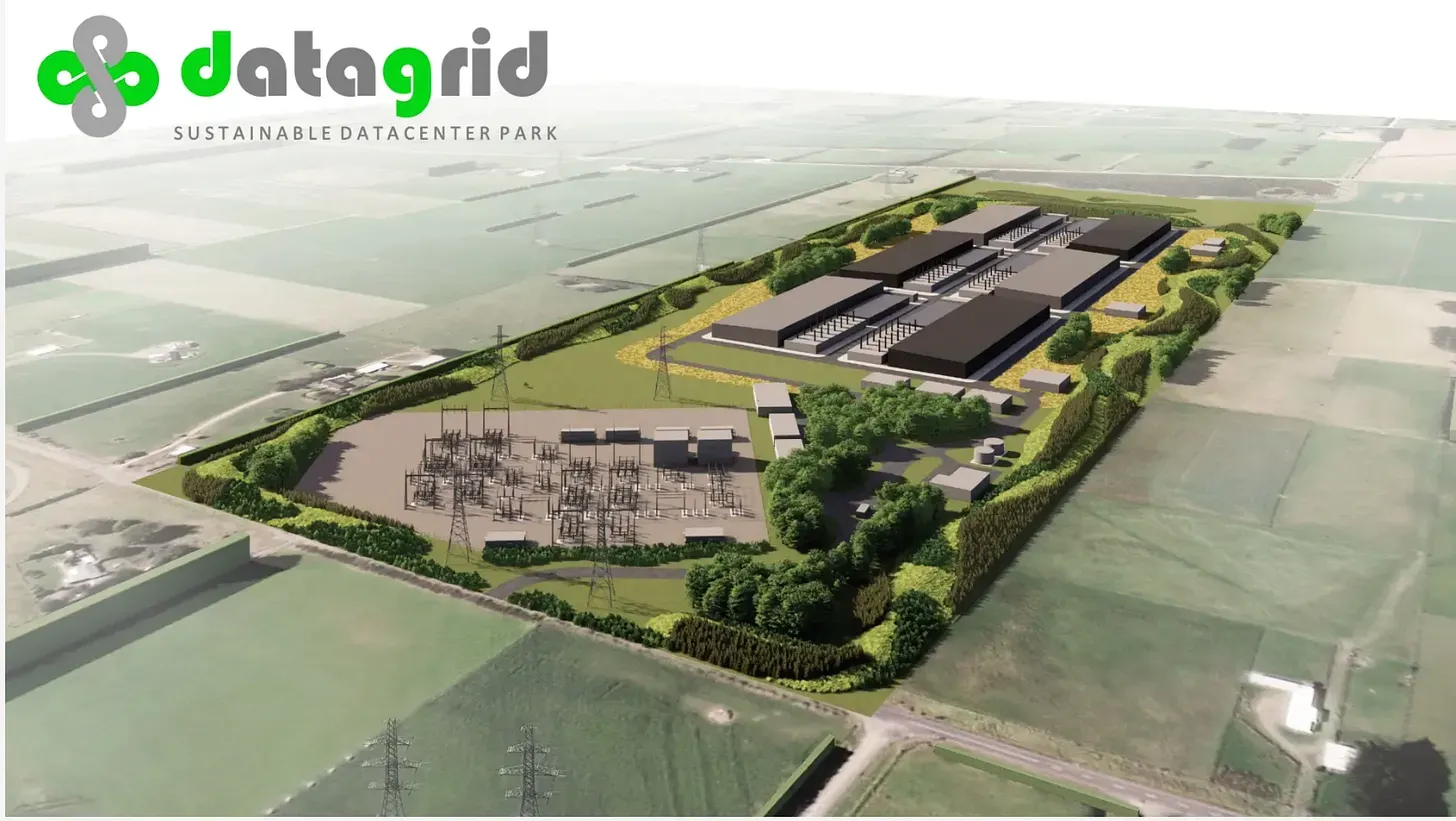
- 🏗️ A $3.5 billion hyperscale data centre has been approved for Southland, promoted as New Zealand’s first “AI factory,” along with an international subsea cable landing at Ōreti Beach, positioning the region as a node in the global AI economy.
- 🌏 Despite being framed as regional development, the project is deeply tied to international networks, finance, and markets, meaning much of the economic value could flow offshore rather than staying in New Zealand.
- ⚡ The facility is expected to require around 280 MW of electricity, making it the second-largest power user in the country after Tiwai Point, raising major questions about supply, grid pressure, and energy planning.
- 🔌 Critics argue the source and reliability of that electricity remain unclear, especially in a country already warned about tight power supply, dry-year risks, and rising electricity costs.
- 📉 Supporters say the project could stimulate new renewable generation such as wind and solar by creating stable demand, but that only works if new supply arrives in time to avoid squeezing the grid.
- 🔄 Unlike some industrial users, a large AI data centre may have limited ability to reduce power use during grid stress, which could increase pressure on the electricity system.
- 👷 While construction could bring a temporary employment boost, the operational workforce is expected to be only about 45 permanent jobs, highlighting the highly automated, capital-intensive nature of data centres.
- 💡 The real economic question becomes how much national benefit New Zealand receives in return for allocating land, water, infrastructure, and large volumes of renewable electricity to a foreign-owned digital facility.
- 🧠 Much of the true value in AI lies in software, data, and intellectual property, which may be developed and owned overseas rather than in New Zealand.
- 💧 Environmental concerns include significant groundwater use for cooling, potential impacts on wetlands, and ecological and cultural issues around the Ōreti Beach cable landing.
- 🏛️ The project also raises democratic and transparency issues, with critics noting that major developments often advance through technical processes and lobbying networks with limited public debate.
- 🌍 International experience shows data centres can become controversial: in Ireland, their electricity use rose from 5% of national demand in 2015 to 22% by 2024, prompting restrictions due to grid strain.
- ❓ The author argues the project may still prove beneficial, but insists basic public questions must be answered—including electricity sourcing, system impacts, long-term benefits, and why such a massive proposal has received relatively little national scrutiny.