
This is edition 2026/047 of the Ten@10 newsletter.
Hi all,
This is the Ten@10, where I collate and summarise ten news items you generally won't see in the mainstream media.
Enjoy!
1. When the personal goes nuclear
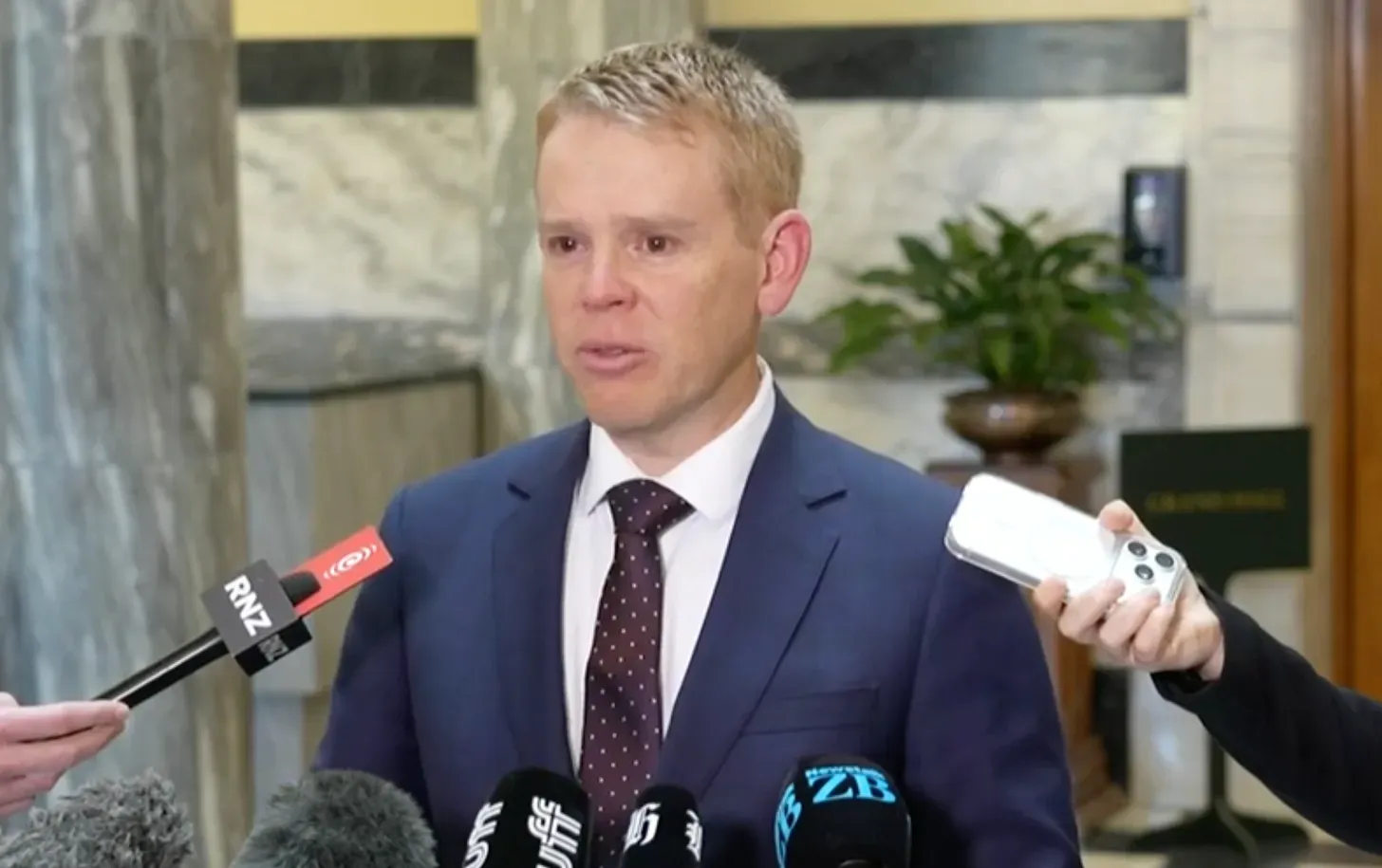
Bryce Edwards
- ⚡ A personal scandal has erupted involving Chris Hipkins after claims by his ex-wife surfaced online, raising questions about when private lives become public issues.
- 🧾 The allegations remain unproven, were quickly deleted, and involve no criminal claims—but spread rapidly via screenshots, sparking national debate.
- 📰 Media face an ethical dilemma: whether to report on private matters based on “public interest” tests like hypocrisy or abuse of power, both of which are weak or unclear here.
- ⚖️ Current coverage has mostly avoided repeating allegations, but pressure is building as curiosity grows and public expectations for answers increase.
- 🔒 New Zealand traditionally respected politicians’ private lives, but social media has broken this “privacy ringfence,” making leaks and exposure far easier.
- 📉 Past scandals (e.g., David Lange and Len Brown) show a pattern: personal issues become political once exposed, often ending careers.
- 💻 The real story may be how the post spread—raising “dirty politics” concerns about who amplified it and whether political actors were involved.
- 🔁 If opponents are found to have weaponised the situation, it could trigger retaliation and escalate into broader political mudslinging.
- 👩⚖️ The situation intersects with feminist ideas like “the personal is political,” but exposes potential hypocrisy across both left and right in how such claims are treated.
- 📊 Politically, the biggest risk is not voter switching but erosion of trust in Hipkins, especially among his own supporters, ahead of a tight election.
- 🤐 Rival parties remain publicly silent, reflecting a long-standing “mutually assured destruction” norm where all sides avoid personal attacks to protect themselves.
- 🗳️ The broader concern is democratic: focusing on personal scandals distracts from policy debate and risks normalising “screenshot warfare” in politics.
- ⚠️ The key question isn’t the allegations themselves, but what kind of political culture New Zealand wants—policy-driven debate or personal destruction.